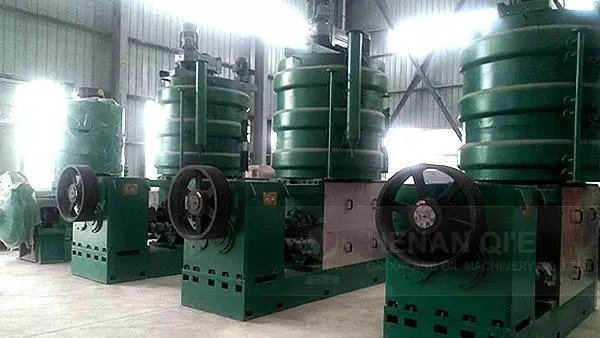
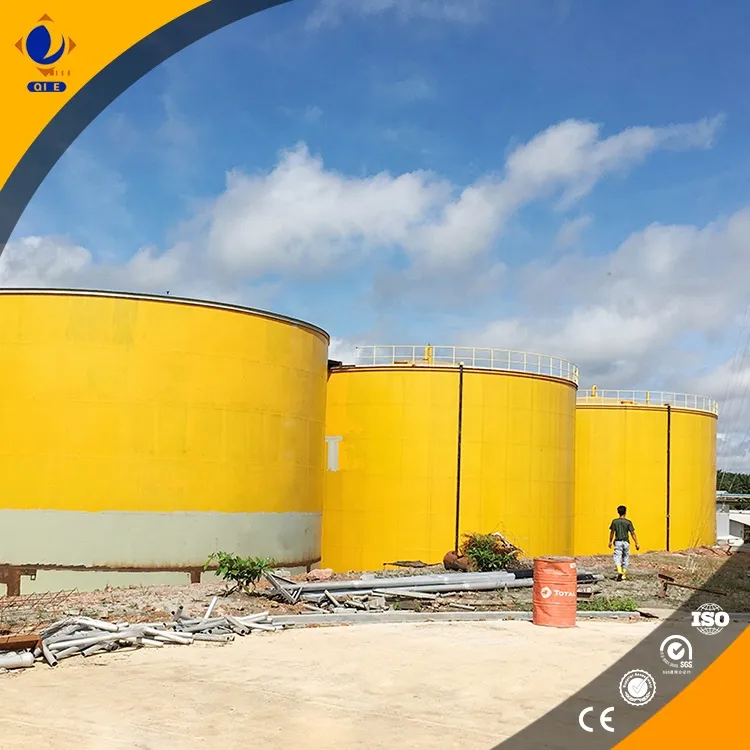
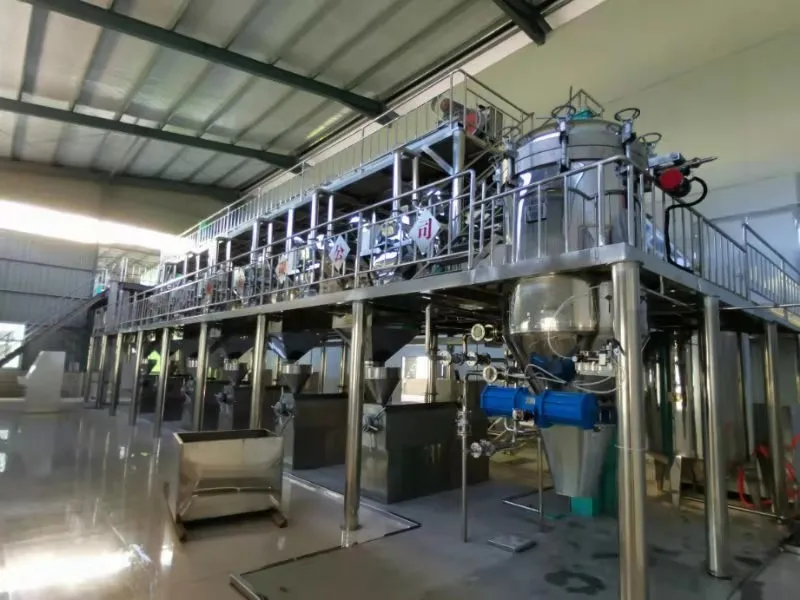
For food processors aiming to meet global standards like ISO 22000 or HACCP, the peanut oil refining process is more than just a step—it's a strategic lever for quality control, yield optimization, and market differentiation. In this deep dive, we explore how advanced filtration materials and precise process parameters in automated peanut oil filling systems can transform your output from commodity-grade to premium-tier.
Physical methods such as centrifugal separation and membrane filtration are now standard in modern refineries. For instance, using ultrafiltration membranes (pore size: 0.1–0.4 µm) reduces free fatty acids by up to 75% compared to traditional sand filters—without introducing chemical residues. When combined with optimized flow rates (typically 0.5–1.2 m/s), these systems minimize oil degradation while maximizing throughput.
A case study from an Asian OEM facility showed that switching from polypropylene to ceramic-based filter media reduced post-refining turbidity from 15 NTU to under 3 NTU—a critical improvement for clarity-sensitive markets like Europe and North America.
Unlike aggressive high-temp processes, cold-refining retains over 90% of natural vitamin E content—an advantage when targeting health-conscious buyers in the U.S., EU, and Middle East.
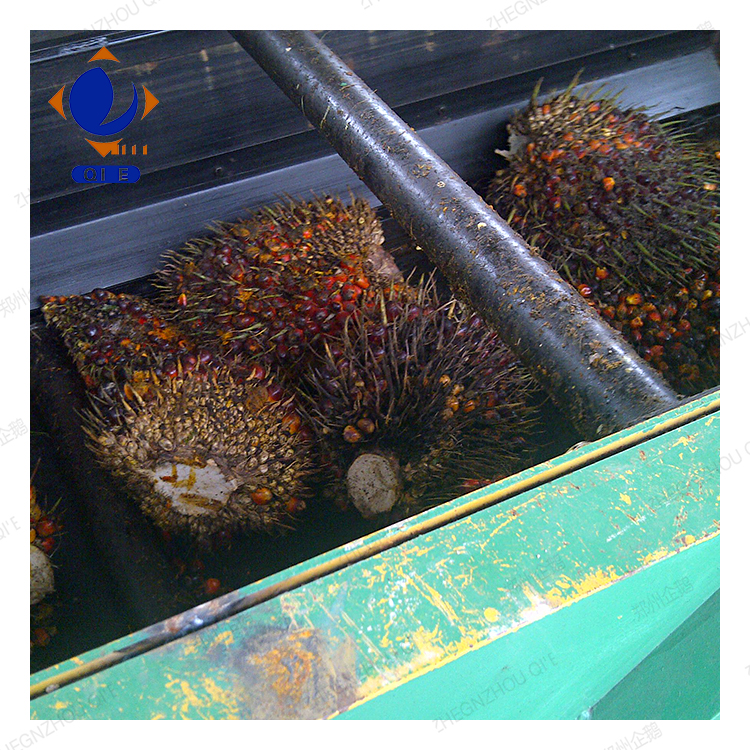
Small-scale producers (5–10 tons/day) benefit from adjustable temperature ramps and batch-mode controls to reduce energy use by up to 25%. Large plants (>50 tons/day) gain efficiency through continuous-flow systems with real-time viscosity monitoring—cutting downtime by 15–20%.
One Brazilian processor reported a 12% increase in final product yield after implementing parameter tuning based on raw material moisture levels—a move that also cut rework costs by nearly $18,000/month.
Pro Tip: Always validate your process against AOCS Cd 16-55 (for deodorization) and ISO 1231 (for acidity testing). These benchmarks ensure compliance across key export markets.

If you're serious about producing clean, consistent, and compliant peanut oil—whether for domestic or international buyers—you need actionable insights, not just theory.
Get step-by-step procedures, checklists, and parameter tables used by leading manufacturers worldwide.
Download Now →