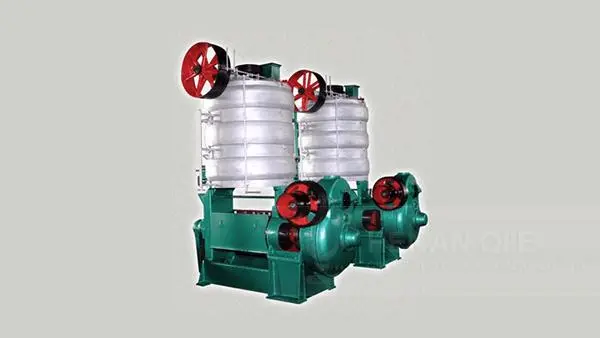
In today’s global food market, quality isn’t just a feature—it’s a competitive edge. For peanut oil manufacturers aiming to export, achieving consistent purity, nutrient retention, and compliance with international standards like GB 2716 is no longer optional. The key? A smart integration of physical separation and low-temperature refining processes within automated filling systems.
Traditional methods often rely on high-heat treatments that strip away essential vitamins (like E and K) and natural antioxidants from peanut oil. But modern systems now combine two powerful techniques:
These steps are followed by a controlled, multi-stage refining process:
| Stage | Purpose | Temperature Range |
|---|---|---|
| De-gumming | Removes phospholipids | 60–70°C |
| Neutralization | Eliminates free fatty acids | 80–90°C |
| Bleaching | Removes pigments and oxidation products | 100–110°C |
| Deodorization | Removes volatile compounds | 180–220°C |
The result? Oil that meets both domestic safety standards and strict EU/US import requirements—without sacrificing the natural taste or health benefits that buyers increasingly demand.
A case study from a mid-sized processor in Vietnam shows how switching to an automated system increased their product pass rate from 82% to 97% in six months—while reducing labor costs by 30%. Another facility in Nigeria saw a 40% drop in customer complaints after implementing precise temperature control during deodorization.
Whether you're producing 5 tons/day or 50, the system adapts via real-time parameter adjustment—ensuring consistency across batches, which matters most when exporting to markets like the UAE, Canada, or Germany where traceability and repeatability are non-negotiable.
Download our expert guide to optimize your production flow—and boost your export readiness.
.jpg?x-oss-process=image/resize,h_800,m_lfit/format,webp)