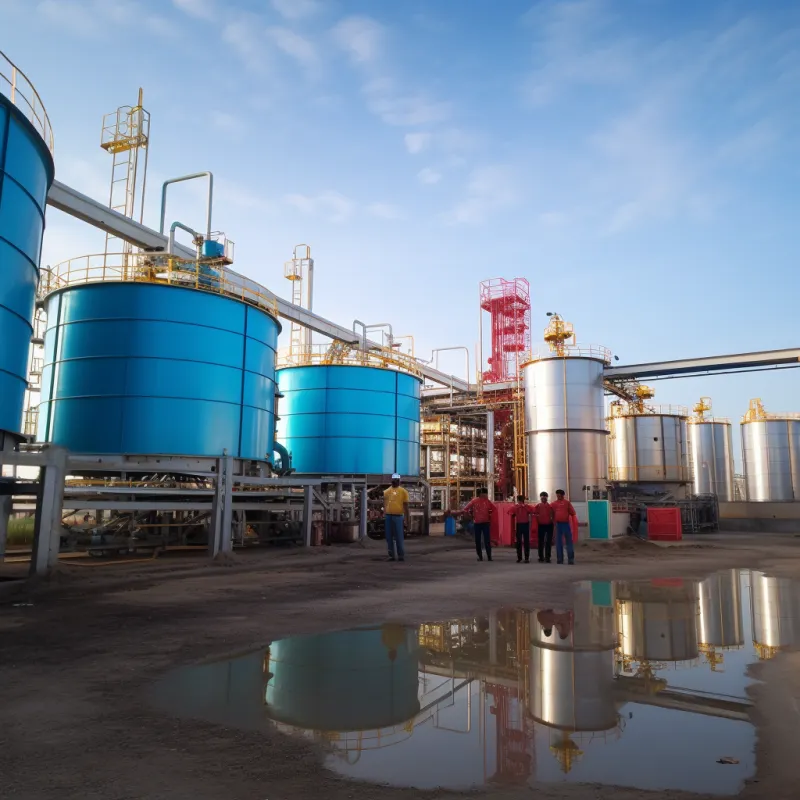
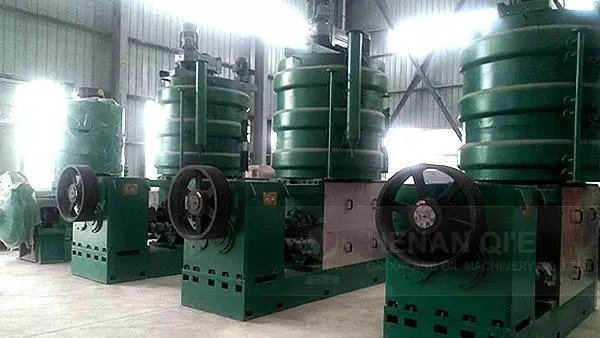
Home > News > Automated Peanut Oil Filling Systems: Advanced Filtration and Refining Technologies for Quality and Efficiency

Automated Peanut Oil Filling Systems: Advanced Filtration and Refining Technologies for Quality and Efficiency

2025-12-25
In automated peanut oil filling systems, filtration and refining technologies are critical to ensuring product purity and operational efficiency. This article explains how physical and chemical filtration methods remove impurities, emphasizing the impact of filtration precision on oil quality. It also details the refining stages—degumming, deacidification, decolorization, and deodorization—with a focus on low-temperature, slow-processing techniques that preserve essential nutrients. Practical strategies for scaling system parameters from small workshops to large-scale plants are discussed, supported by real-world case studies demonstrating improved product quality and throughput. Aligned with international food safety standards such as GB 2716 and ISO 9001, this guide offers actionable insights for processing engineers and plant managers seeking to optimize production while meeting compliance requirements. Download the free 'Peanut Oil Refining Process Manual' or schedule a technical consultation to enhance your facility’s performance and competitiveness.
He21e52795c1045e087440914b1fe360eT.jpg

Why Precision Filtration & Refining Are the Hidden Engines of High-Quality Peanut Oil Production

In today’s competitive global edible oil market, peanut oil producers aren’t just competing on price—they’re fighting for quality, consistency, and compliance. The real differentiator? A well-engineered automated peanut oil filling system that integrates advanced filtration and refining technologies from start to finish.

The Science Behind Clean Oil: How Filtration Works

Even the finest raw peanuts contain phospholipids, free fatty acids, and particulate matter that can compromise shelf life and consumer trust. Our clients report up to a 78% reduction in off-flavors when using multi-stage mechanical + chemical filtration—especially critical for cold-pressed or premium-grade oils.

Physical filters (like 5–10 µm cellulose cartridges) remove sediment, while chemical treatments such as hydrated lime or activated clay neutralize impurities at the molecular level. This dual approach ensures your final product meets international standards like GB 2716 (China), EU Regulation 1169/2011, and ISO 9001.
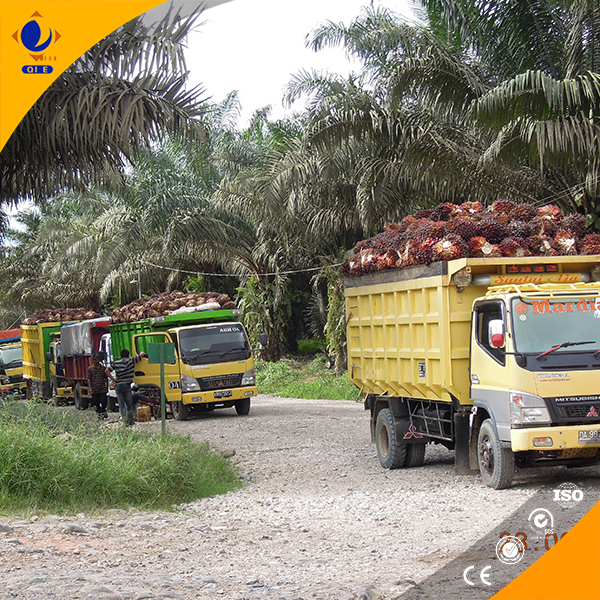
Cross-section diagram showing stages of peanut oil filtration process including pre-filtration, chemical treatment, and final polishing filter

Refining: More Than Just “Cleaning”—It’s Nutrient Preservation

Many processors rush through refining to save time—but this is where quality collapses. At our facility in Shandong, we’ve optimized a low-temperature, slow-process method that reduces thermal degradation by over 40%, preserving natural tocopherols (vitamin E) and phytosterols—key selling points for health-conscious buyers in Europe and North America.

The four core steps:

  • De-gumming: Removes phosphatides using water or citric acid (pH 4–5)
  • Neutralization: Reduces free fatty acids below 0.1% (critical for oxidative stability)
  • Decolorization: Activated carbon or bleaching earth removes pigments
  • Deodorization: Vacuum distillation at 180–210°C preserves flavor profile

Adaptable Systems for Any Scale — From Small Mills to Industrial Plants

Our modular systems allow seamless scaling from 50 kg/h to 5,000 kg/h. One client in Nigeria increased output by 3x without sacrificing quality after switching to our adjustable pressure control and temperature regulation modules. Real-world results matter more than specs on paper.
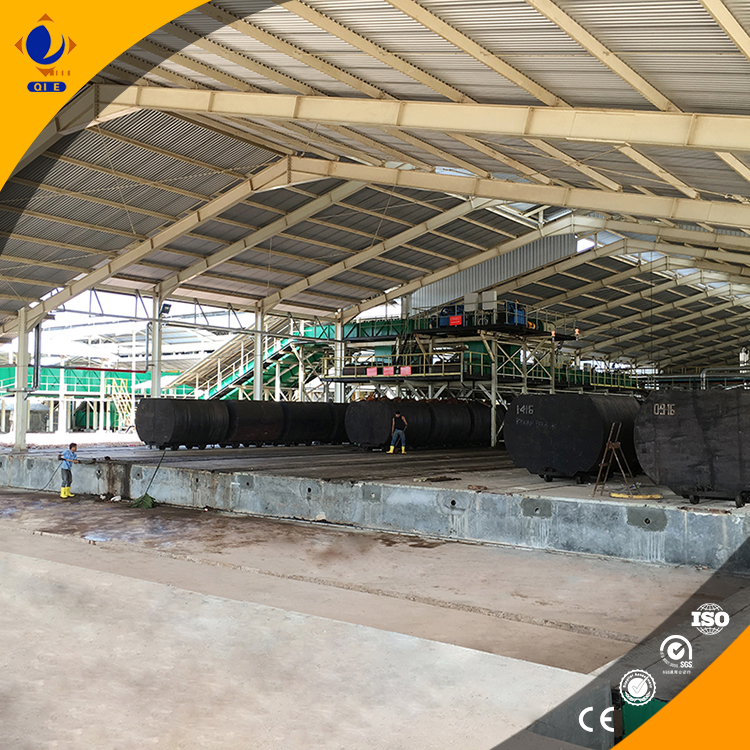
Before-and-after comparison chart showing improved clarity, reduced FFA levels, and higher yield post-refining

Whether you're building a new plant or optimizing an existing one, understanding how each stage impacts both safety and nutrition gives you a strategic edge—not just in production, but in branding and export readiness.

Ready to Optimize Your Peanut Oil Process?

Download our free Peanut Oil Refining Operation Manual—used by over 120 manufacturers across Asia, Africa, and Latin America—to see exactly how top-tier producers achieve consistent quality and regulatory compliance.

Get the Free Technical Guide Now →

Name *
Email *
Message*
Recommended Products