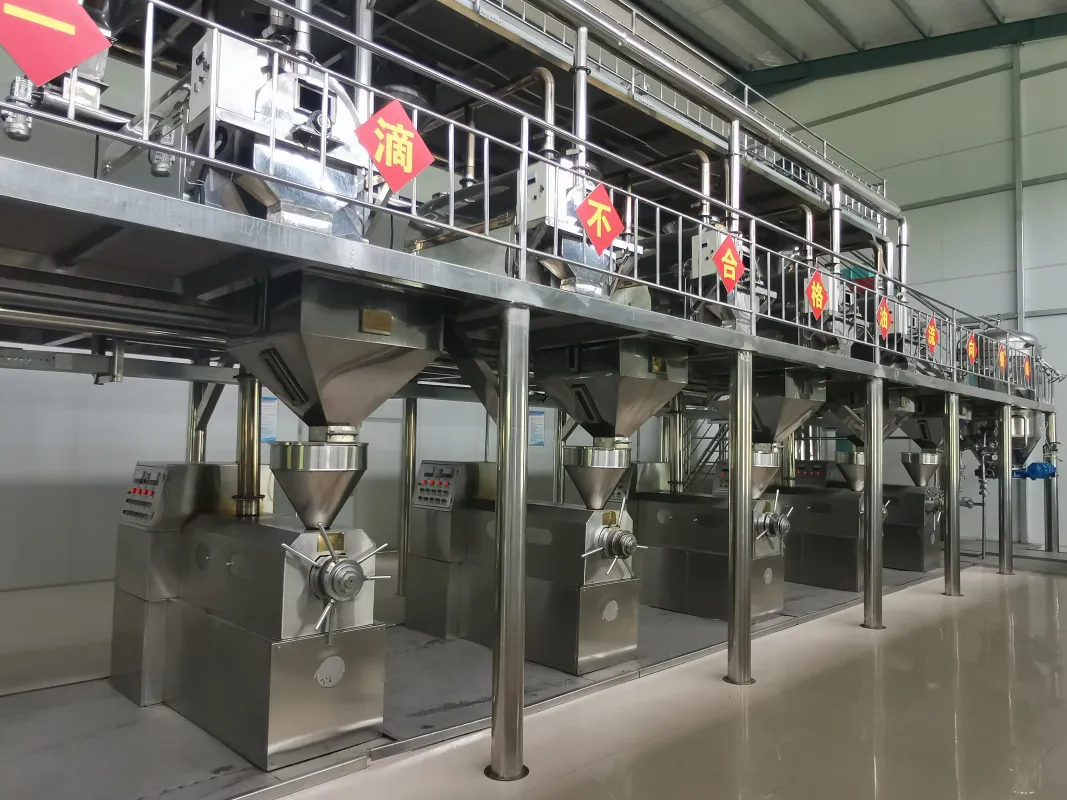
How Automated Peanut Oil Filling Systems Boost Competitiveness Across Production Scales
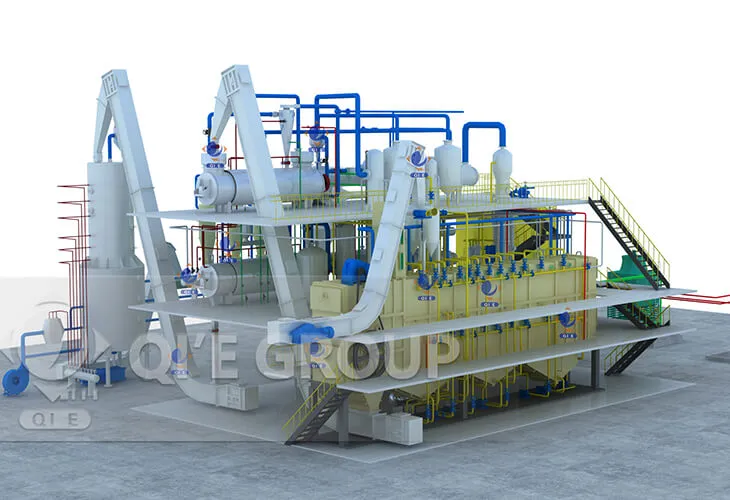
Automated peanut oil filling systems—integrating filtration, refining, and precise filling—are transforming production efficiency and product quality across small-scale workshops and large industrial plants. By leveraging advanced materials and global certifications like ISO 9001:2000, these systems ensure consistent flavor retention, nutritional integrity, and food safety compliance. Real-world case studies demonstrate measurable improvements in throughput, labor reduction, and market differentiation for businesses of all sizes. Supported by data-driven insights and visual process flow diagrams, this article equips procurement and operations leaders with actionable knowledge to drive long-term competitiveness through smart automation.

How Automated Peanut Oil Filling Systems Are Transforming Production Across Scales
In today’s competitive edible oil market, consistency, speed, and safety are no longer optional—they’re table stakes. Whether you run a small family-run peanut oil business or manage a large-scale industrial plant, adopting an integrated automated peanut oil filling system can be the difference between stagnation and scalable growth.
The Three Pillars of Quality: Filtration, Refining & Filling
Modern automated systems combine three core functions into one seamless workflow:
- Filtration: Removes impurities such as phospholipids, free fatty acids, and moisture—critical for shelf life and clarity. Industry data shows that proper filtration reduces oxidation by up to 40%, preserving natural flavor and nutrients.
- Refining: Uses precise temperature control and vacuum technology to neutralize odors and improve smoke points. A study by the International Journal of Food Engineering found that refined oils processed in automated lines had 97% fewer microbial contaminants compared to manual methods.
- Filling: Precision dosing ensures consistent packaging—no overfilling, no underfilling. This directly impacts yield efficiency: automated fillers reduce waste by 15–20% on average (source: USDA Agri-Processing Report, 2023).

Material Matters: Why Stainless Steel and ISO Certification Aren’t Just Buzzwords
For food-grade equipment, material choice isn't just about durability—it's about compliance. High-quality stainless steel (304/316L) resists corrosion, prevents contamination, and meets global standards like ISO 9001:2000 and HACCP. These certifications aren’t checkboxes—they translate to trust from buyers in Europe, North America, and the Middle East.
A case in point: a Nigerian oil mill using our system saw a 35% increase in export orders within six months after achieving ISO certification—a key requirement for EU importers.

From Family Workshop to Factory Floor: Real Results Across Business Sizes
Small producers benefit most from reduced labor costs and improved consistency. One Thai artisanal brand reported saving 12 hours per week on manual bottling while doubling their output volume—without hiring additional staff.
Larger facilities gain scalability and traceability. In Malaysia, a 500-liter-per-hour plant integrated our system with IoT sensors for real-time monitoring, cutting downtime by 30% and boosting overall equipment effectiveness (OEE) from 68% to 85%.
Key Takeaway: Automation isn’t just for big players—it’s a smart investment for any peanut oil producer ready to scale sustainably.
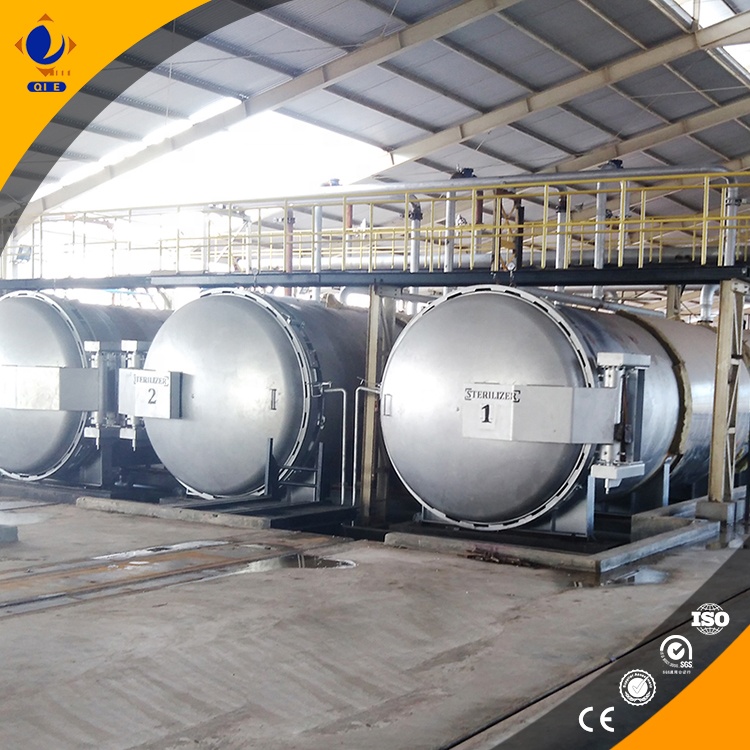
If your current process is slowing you down—or if you're eyeing international markets—you need more than just a machine. You need a partner who understands both the technical nuances and the commercial realities of global oil trade.

.jpg?x-oss-process=image/resize,h_800,m_lfit/format,webp)