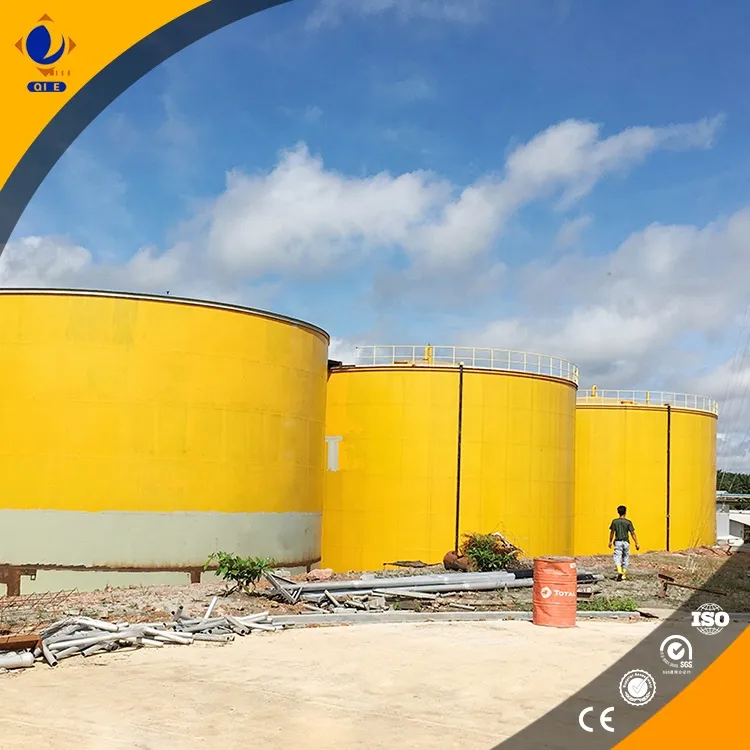
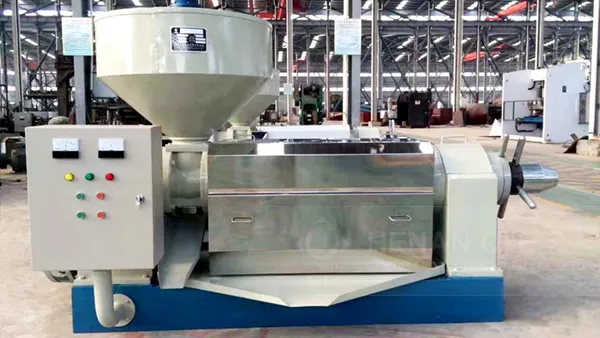
You’re not alone if you’ve struggled with inconsistent fill levels, wasted product, or high labor costs in your peanut oil production line. Whether you run a small family workshop or manage a large-scale oil plant, the right automation setup can transform efficiency—and profitability.
Modern automated peanut oil filling systems integrate filtration, refining, and precision filling into one seamless process. For example, our clients report up to 30% less waste after switching from manual to semi-automated filling—especially when using stainless steel 304 components that resist corrosion and simplify cleaning.
Pro Tip: Start by calibrating your flow meter at 50%, 75%, and 100% capacity to ensure consistent volume accuracy across different batch sizes.
When choosing materials, consider both durability and compliance. In one case study from a mid-sized oil mill in India, replacing plastic valves with food-grade 304 stainless steel reduced maintenance downtime by 40%. Plus, it passed HACCP audits faster—a win for international export readiness.
Here’s how to match your needs:
| Scenario | Recommended Setting | Expected Outcome |
|---|---|---|
| Small Workshop (1–5L/min) | Manual speed control + touch screen interface | ±1% fill accuracy, easy training |
| Medium Plant (5–20L/min) | Auto-adjusting pressure sensor + PLC logic | ±0.5% accuracy, 20% lower labor cost |
| Large Oil Mill (>20L/min) | Modbus-enabled system + remote diagnostics | Real-time monitoring, minimal stoppages |
If you notice uneven fills or leaks, first check the air pressure setting—it should be maintained between 0.3–0.5 MPa for optimal performance. Also, clean the nozzle weekly to avoid clogging from residual oils or particulates. Our engineers have found this simple step prevents over 70% of “inconsistent fill” complaints.
“After installing the new system, we saw a 30% drop in product loss within two months. The team trained in under a week.” — Rajesh Mehta, Operations Manager, Gujarat Oil Co.
Ready to optimize your own peanut oil filling line? Try adjusting just one parameter today—like reducing the fill speed by 10% and measuring the difference in consistency.