For peanut oil producers—whether small-scale artisans or large industrial plants—the bottling stage is often a hidden bottleneck. Manual filling leads to inconsistent volumes, oxidation risks, and labor-intensive processes that reduce throughput by up to 40%. But with the right automation solution, you can turn this pain point into a competitive advantage.
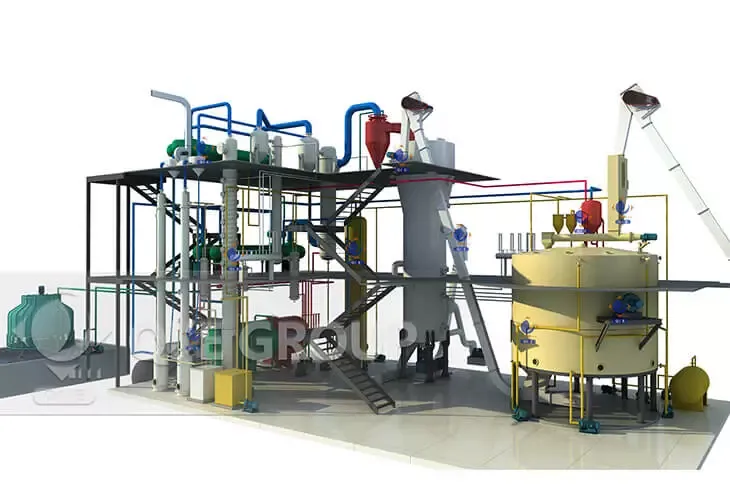
Modern automated peanut oil filling systems integrate three key functions: filtration, refining, and precise filling—all in one streamlined line. This synergy isn’t just about speed—it’s about quality preservation.
According to ISO 9001:2015 clause 8.5.1, "Control of production and service provision" requires documented procedures for each process step. Our system ensures traceability from raw oil input to sealed bottle output—ideal for food safety audits.
“In our test facility in Gujarat, India, switching to this integrated system increased daily output from 800L to 2,100L while reducing flavor loss by over 30%.” — Quality Manager, Apex Edible Oils Ltd.
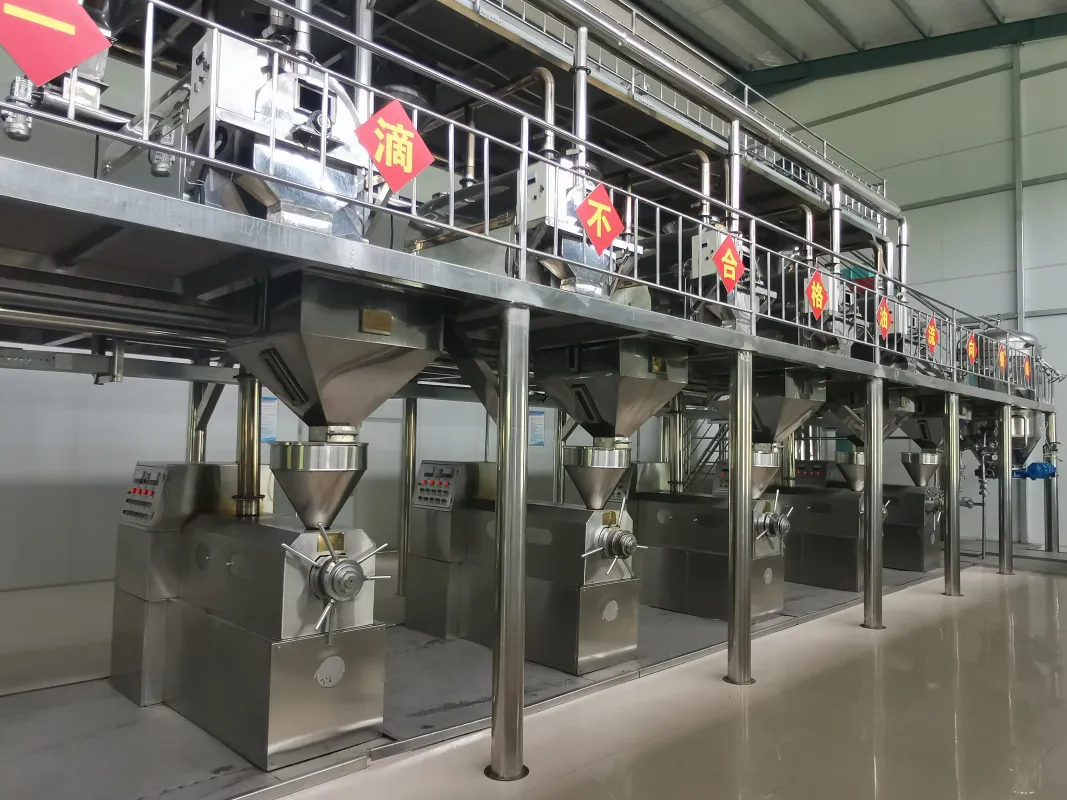
Food-grade materials aren’t optional—they’re mandatory for hygiene and longevity. While carbon steel may seem cost-effective initially, it corrodes faster under repeated cleaning cycles. In contrast, 304 stainless steel resists rust and chemical exposure, while 316 offers enhanced resistance to chlorides—a must for coastal regions like Southeast Asia or the Middle East.
Moreover, modular design means easier maintenance: no need to dismantle entire lines for filter replacement. Most clients report a 60% reduction in downtime after upgrading to our stainless steel-based units.
Small operators benefit from reduced labor costs—typically saving $1,200/month in manual labor alone. Large-scale factories see ROI within 7–9 months due to consistent fill weights, fewer customer complaints, and improved shelf life.
One example: A family-run mill in Nigeria doubled their export orders within six months after implementing our system—thanks to more uniform packaging and stronger brand perception among EU buyers who demand strict adherence to EU Regulation (EC) No 852/2004 on hygiene of foodstuffs.
We don't just sell machines—we build long-term partnerships. With 24/7 remote diagnostics, spare parts availability within 48 hours, and on-site training included, we ensure your team feels confident from day one.
Let every drop of peanut oil speak for itself—because consistency builds trust.
Get Your Customized Configuration Plan Today