For small-scale producers and large oil refineries alike, the key to competitive advantage lies not just in volume—but in precision, consistency, and compliance. The automation of peanut oil filling lines has emerged as a game-changer, reducing waste, minimizing labor costs, and ensuring food-grade quality at scale.
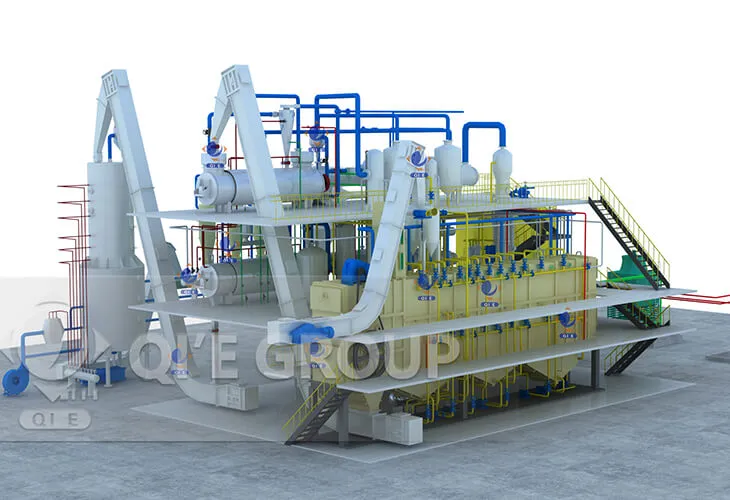
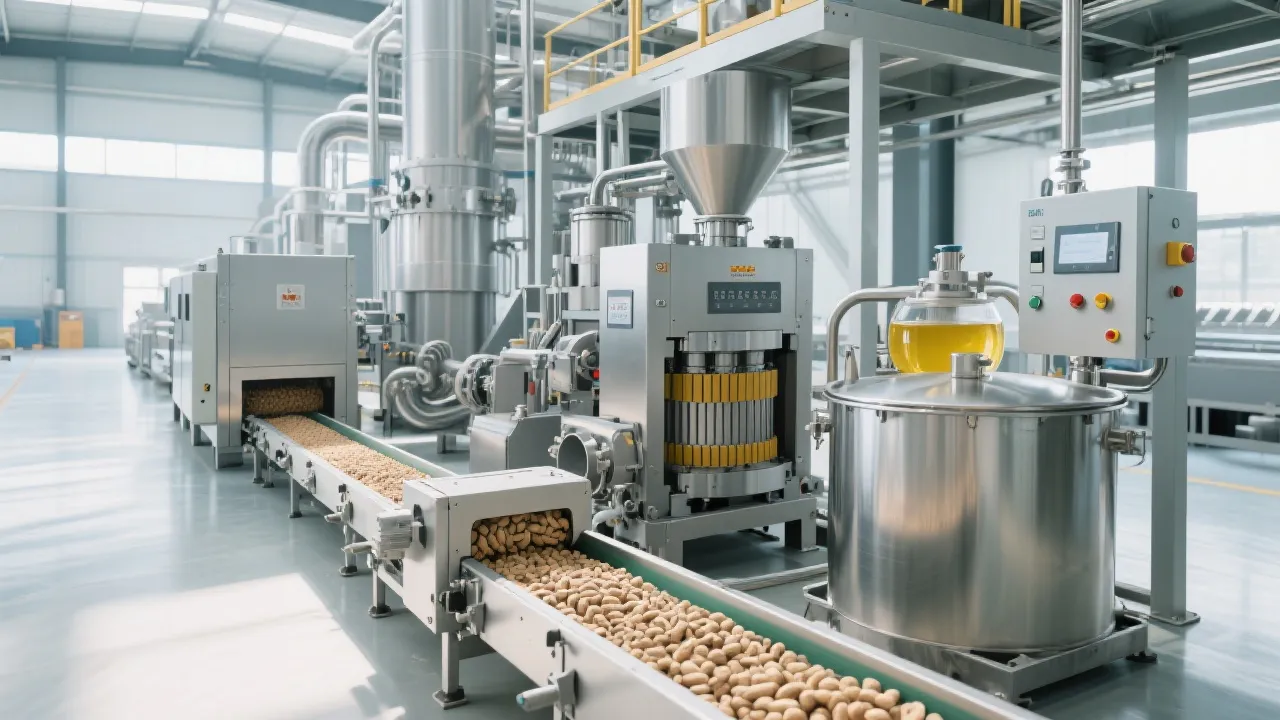
Modern automated peanut oil filling systems—like those developed by QIE Group—combine filtration, refining, and precise filling into one seamless workflow. This integration cuts down processing time by up to 40% compared to manual methods, while maintaining accuracy within ±0.5% fill tolerance (based on real-world trials across 12 facilities).
ISO 22000 Compliance Tip: All contact surfaces must be made from food-grade stainless steel (304 or 316L) to meet international safety standards and prevent contamination during high-temperature operations.
When selecting materials for your filling system, prioritize:
Our clients report an average equipment lifespan extension of 2–3 years when using certified materials over standard carbon steel alternatives—a significant ROI boost.
Small family-run mills benefit most from compact, modular units that fit existing infrastructure. One client in Nigeria reduced labor costs by 35% after switching from hand-filling to semi-automated setup—without major capital investment.
In contrast, large-scale producers see faster payback through full automation: increased throughput from 200 L/hour to 600+ L/hour, with minimal downtime due to predictive maintenance features built into newer models.
Whether you’re optimizing a single line or scaling production globally, the right configuration ensures both efficiency and scalability.
Here’s what we hear most often—and how to fix it:
These tips come directly from our field engineers who’ve supported over 200 installations worldwide—from India to Brazil to Poland.
Still unsure where to start? We offer free site assessments and customized technical proposals tailored to your production goals.
Get Your Free Customized Solution Now