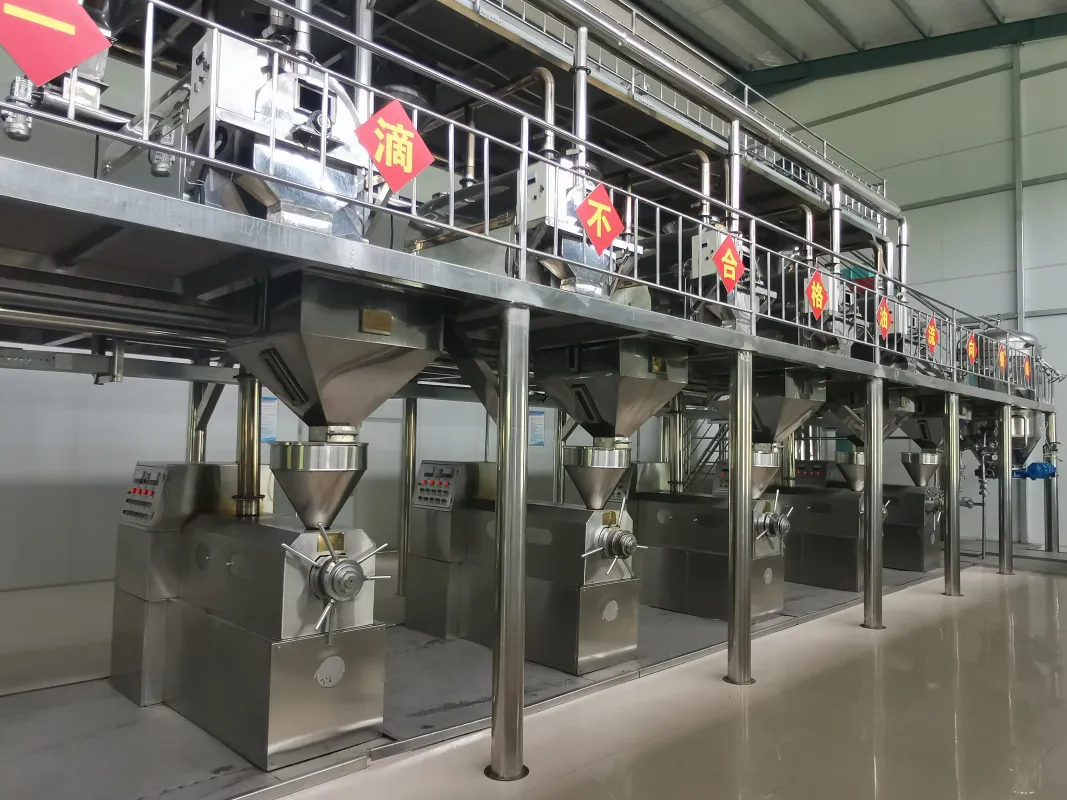
In the competitive landscape of the global peanut oil market, ensuring high - quality products is crucial for export - oriented enterprises. The automated peanut oil filling system from QIE Group stands out with its advanced filtration and refining technologies, which not only improve product quality but also help meet international food safety standards.
The filtration process in an automated peanut oil filling system is a critical step in removing impurities and ensuring the purity and stability of the oil. There are several filtration methods commonly used, such as centrifugation, membrane filtration, and the application of chemical filter aids.
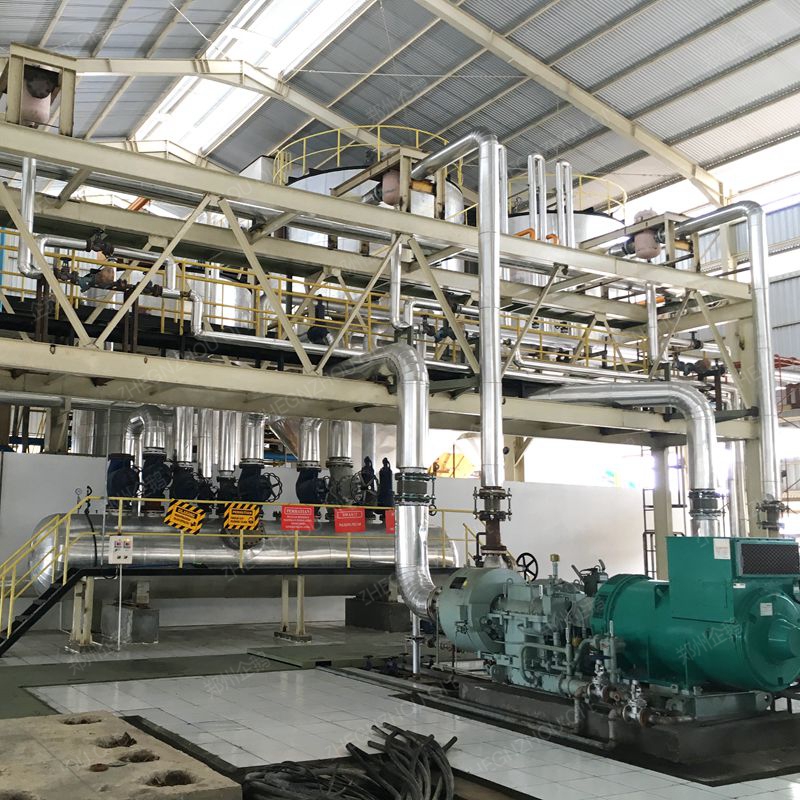
Centrifugation works by using centrifugal force to separate solid particles from the oil. It can quickly remove large - sized impurities, with a separation efficiency of up to 90%. Membrane filtration, on the other hand, uses a semi - permeable membrane to selectively filter out small particles and contaminants. This method can achieve a high filtration precision, reaching a particle removal rate of over 95% for particles larger than 0.1 microns.
The use of chemical filter aids can further enhance the filtration effect. By adding appropriate filter aids, the filtration speed can be increased by 30% - 50%, and the clarity of the oil can be significantly improved. The filtration precision directly affects the purity and stability of the product. Higher filtration precision can reduce the risk of sedimentation and oxidation during storage, extending the shelf - life of the peanut oil.
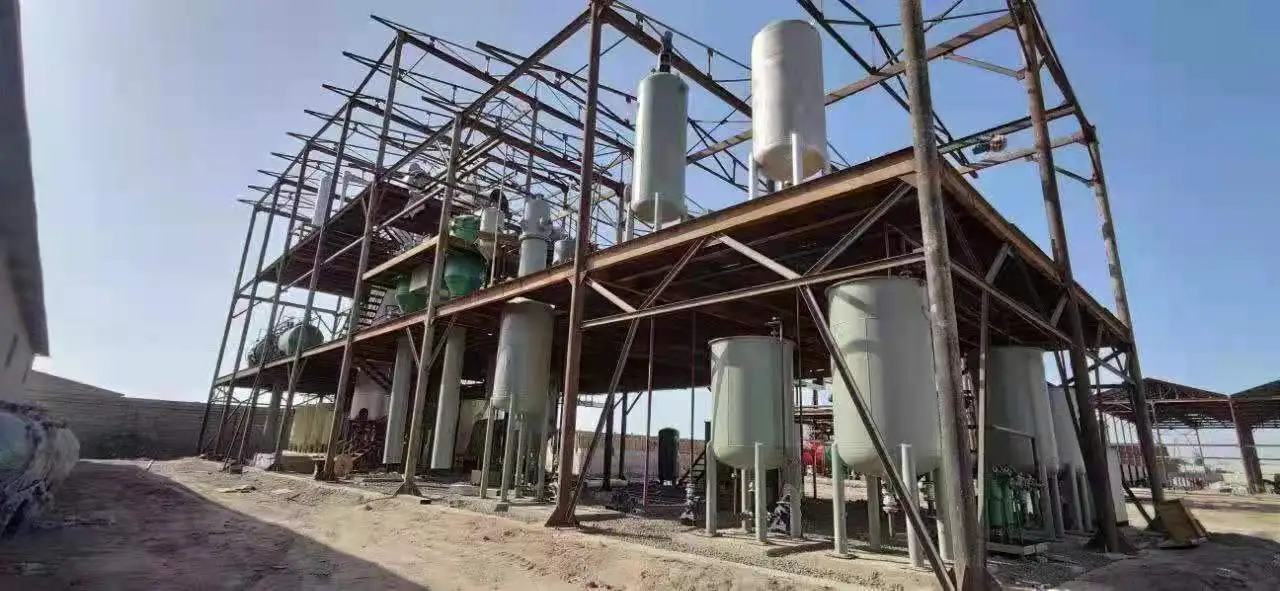
The refining process of peanut oil consists of four main steps: degumming, deacidification, decolorization, and deodorization. Each step has its own technical principles and key parameters.

Degumming is the process of removing phospholipids from the oil. By using water or acid to hydrate the phospholipids, they can be separated from the oil. Deacidification aims to reduce the free fatty acid content in the oil. This can be achieved through physical or chemical methods. Physical deacidification is carried out at high temperatures, while chemical deacidification uses alkalis to neutralize the free fatty acids.
Decolorization uses adsorbents such as activated clay to remove pigments from the oil, improving its color and appearance. Deodorization is the final step, which removes unpleasant odors and volatile substances from the oil. The 'low - temperature and slow - speed' refining method is particularly valuable as it can retain up to 80% of the original nutritional components of the peanut oil, such as vitamin E and unsaturated fatty acids.
The automated peanut oil filling system from QIE Group features a flexible parameter adjustment mechanism. For small - scale production units, the system can be optimized to reduce energy consumption and production cost. For example, by adjusting the filtration speed and refining temperature, the production efficiency can be increased by 20% while reducing the production cost by 15%.
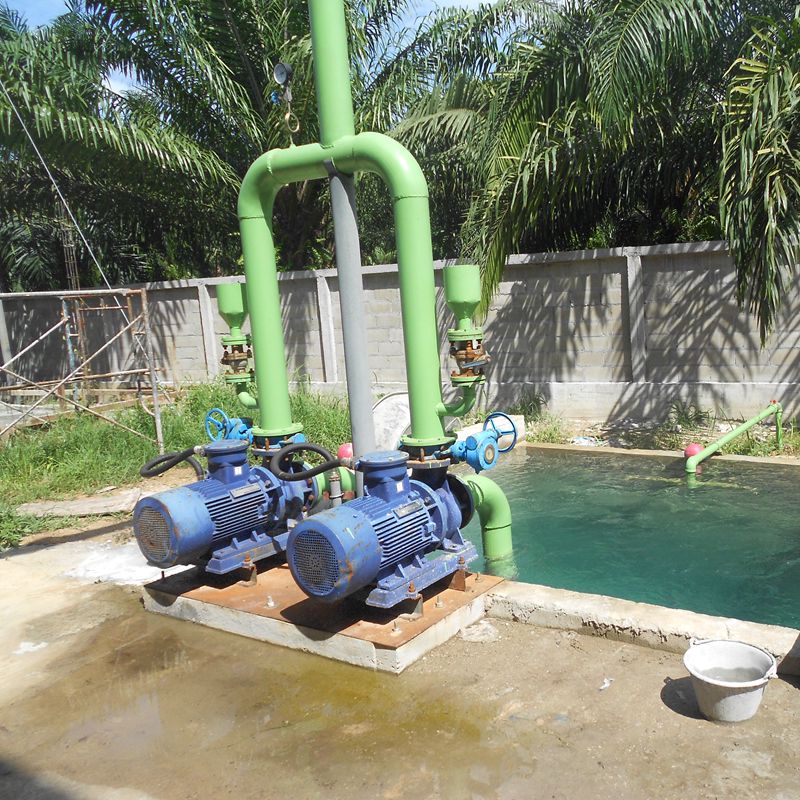
For large - scale production enterprises, the system can be set to high - speed and high - precision operation mode to meet the large - volume production requirements. After process optimization, real - world cases have shown that the product qualification rate has increased from 85% to 95%, and the production loss has been reduced from 10% to 5%.
This automated peanut oil filling system strictly adheres to international quality management system certification standards such as ISO 22000. This ensures that every batch of peanut oil produced meets international food safety requirements, providing strong support for the export business of enterprises.
Are you ready to elevate your peanut oil production to the next level? Download our free 《Peanut Oil Refining Process Operation Manual》 PDF and schedule a free technical consultation today!