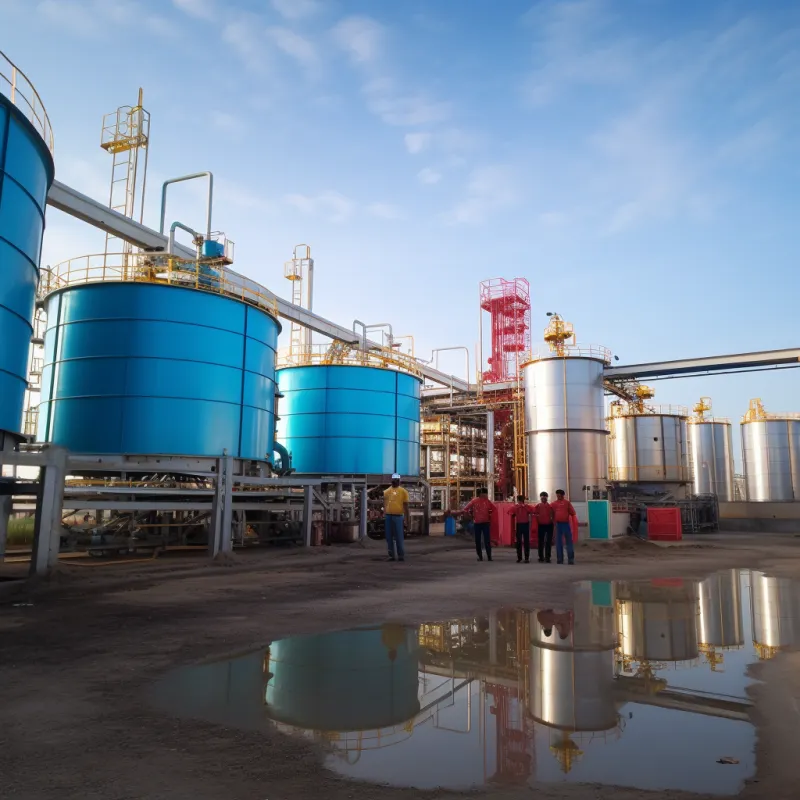
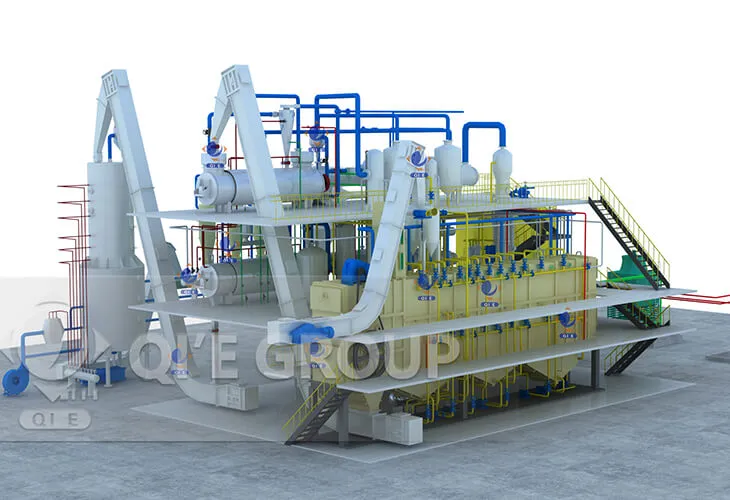
In the highly regulated edible oils industry, ensuring product compliance and quality is fundamental for market competitiveness. Automated peanut oil filling systems integrated with state-of-the-art filtration and refining technologies play a pivotal role in achieving these standards. This analysis delves into the key technical elements of filtration and refining within automated systems developed by industry leader QIE Group, offering operational insights to technical managers and engineers responsible for optimizing peanut oil production.
The first critical process in peanut oil production is filtration, which removes suspended solids, gums, and impurities to guarantee oil purity and stability. Pengiun Group's automated filling systems employ multi-stage filtration utilizing advanced filter media such as polypropylene depth filters combined with microglass fiber cartridges, achieving turbidity reduction to less than 1 NTU (Nephelometric Turbidity Units), in compliance with international food safety standards like Codex Alimentarius and FDA regulations.
The filtration units are customizable depending on daily throughput, ranging from 500 liters/hour for small-scale plants to over 10,000 liters/hour for large industrial installations. Inline pressure sensors provide real-time monitoring, ensuring filtration efficiency and immediate alerts for filter replacement, thus reducing downtime and maintaining consistent product quality.
Refining transforms crude peanut oil into a consumable product by removing free fatty acids, phospholipids, pigments, and odors while preserving beneficial nutrients. QIE Group systems implement a carefully controlled low-temperature refining process performed incrementally: degumming (脱胶) at 65-70°C, neutralization (脱酸) using mild alkali agents, bleaching (脱色) with activated clay under vacuum to minimize oxidative damage, and deodorization (脱臭) conducted at sub-220°C temperatures for under 2 hours.
This controlled slow refining ensures retention of up to 85% of natural antioxidants such as vitamin E and phytosterols, significantly enhancing the oil’s nutritional profile compared to conventional high-heat refining techniques that may degrade over 40% of these compounds.
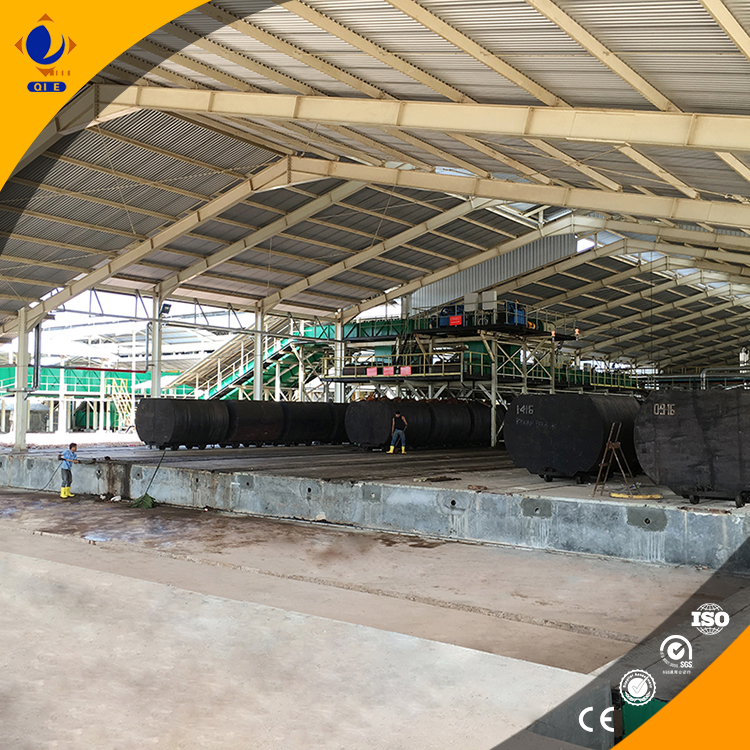
Recognizing the diversity of production scales, the system incorporates an adjustable parameter module allowing operators to fine-tune flow rates, temperature setpoints, and filtration pressures based on capacity requirements:
Such customizability fosters optimized throughput efficiency while aligning product quality with evolving food safety compliance requirements.
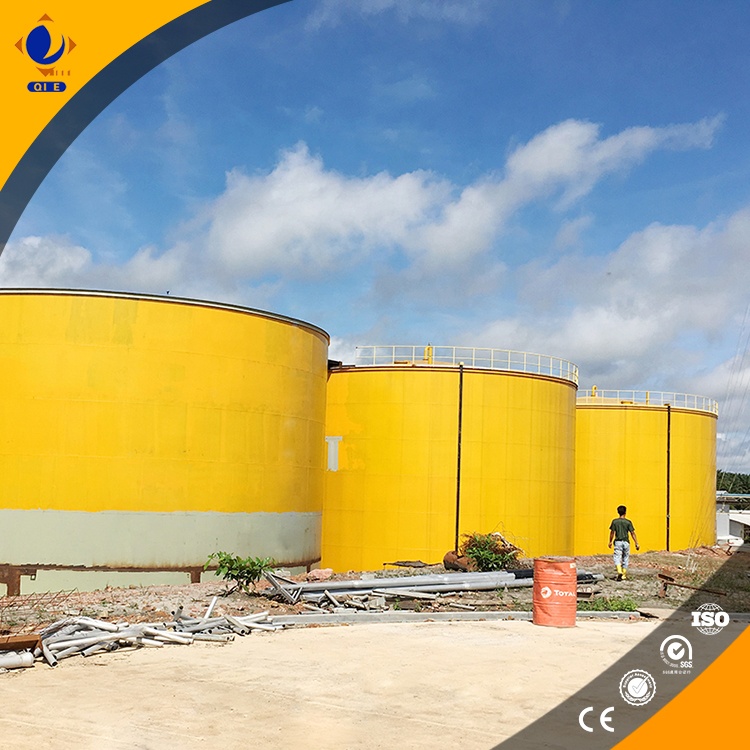
A recent deployment in a mid-sized oil processing plant specializing in peanut oil demonstrated the tangible benefits of QIE Group’s filtration and refining technologies. Post-implementation data revealed:
These metrics underscore the critical role of integrated automated systems combining filtering and refining in achieving compliance without compromising nutritional quality.
For peanut oil producers aiming to elevate production standards and meet stringent regulations, exploring technically advanced automated filtration and refining solutions can be transformative. Detailed technical manuals outlining system specifications, operational parameters, and maintenance best practices are available for download.