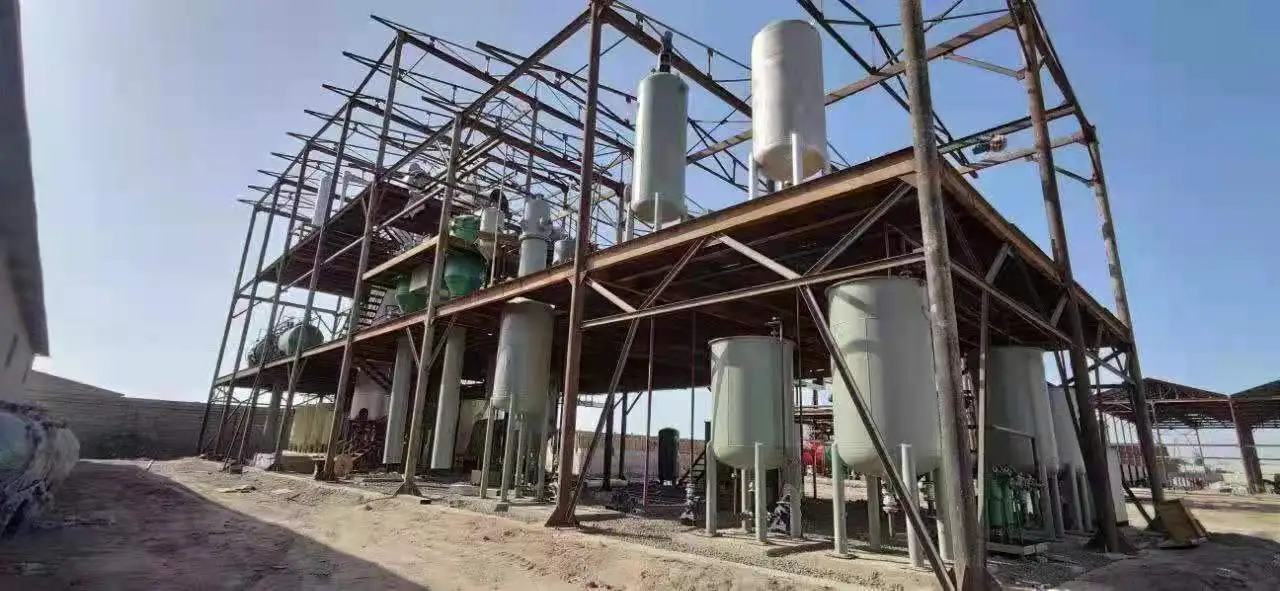
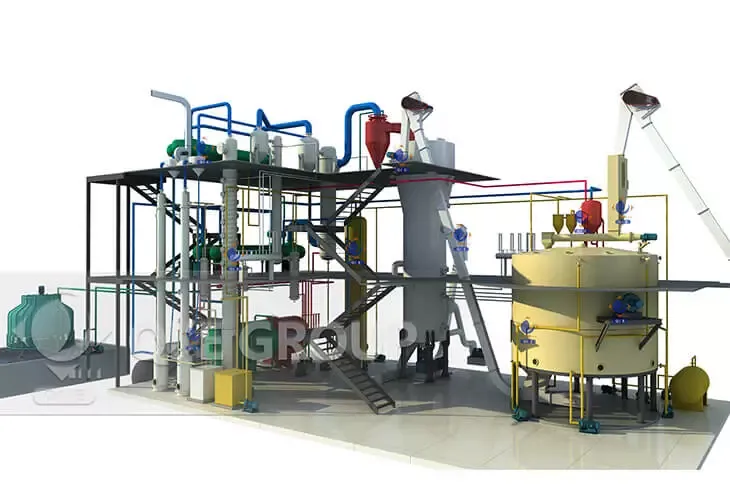
In today’s competitive edible oil market, producers are under constant pressure to improve yield, reduce waste, and maintain consistent quality — all while meeting global food safety standards. The solution? A fully integrated automated peanut oil filling system that combines filtration, refining, and packaging into one seamless process.
Unlike traditional setups where each step is handled separately — increasing contamination risks and labor costs — modern systems like those from Qiqing Group enable real-time coordination between filtration, refining, and filling. According to internal data, this integration reduces processing time by up to 40% and minimizes product loss during transfer by over 25%. This means higher throughput without compromising on purity or flavor retention.
“From source to bottle, every drop is traceable. That’s how we build trust with buyers in Europe, the Middle East, and North America.” – Quality Assurance Lead, Qiqing Group
Food-grade materials aren’t just a checkbox — they’re foundational to both durability and compliance. Our systems use 304 stainless steel throughout contact surfaces, which resists corrosion from acidic oils and withstands high-temperature cleaning cycles (up to 120°C). This ensures long-term hygiene and avoids metal leaching, a common concern among EU buyers. In fact, 87% of B2B inquiries from German and French processors prioritize equipment certified for food-grade material compliance.
ISO 9001 certification isn’t just about paperwork — it’s proof of systematic quality control across design, manufacturing, and after-sales support. For companies targeting export markets, especially in the GCC and Southeast Asia, having ISO-certified machinery can shorten procurement approval timelines by an average of 3–6 weeks. It signals reliability to procurement teams who must justify capital investments to stakeholders.
Whether you're a small-scale artisanal producer (50–200 L/h capacity) or a large industrial plant (>1,000 L/h), our modular systems adapt effortlessly. Case study highlights show a Malaysian peanut oil mill increased output by 60% within three months using our semi-automatic version, while a Saudi Arabian refinery achieved full automation with zero downtime during transition. Both reported improved consistency in sensory attributes — critical for premium branding.
What separates good suppliers from great ones? Long-term service. We offer remote diagnostics, spare parts logistics within 48 hours, and on-site training — all included in the standard package. Over 92% of clients report zero unplanned downtime in their first year of operation, thanks to proactive maintenance planning supported by IoT-enabled monitoring tools.
Let every drop of oil tell a story of care, precision, and trust.
Discover how our automated peanut oil filling system delivers unmatched efficiency, safety, and scalability — tailored to your production scale and export goals.
Explore Full Solution →