When it comes to extracting oil from seeds like soybeans, rapeseed, or sunflower, choosing between heat and cold pressing isn’t just a technical decision—it’s a strategic one that impacts yield, quality, sustainability, and profitability. Let’s break down what really matters.
| Feature | Hot Pressing | Cold Pressing |
|---|---|---|
| Temperature Range | 80–120°C | ≤40°C |
| Oil Yield (%) | ~75–85% | ~65–75% |
| Nutrient Retention | Moderate (some vitamins lost) | High (preserves omega-3s, tocopherols) |
| Energy Use | Higher due to heating | Lower but requires more mechanical force |
For example, cold-pressed flaxseed oil retains up to 90% of its natural antioxidants compared to only 60% in hot-pressed versions—a key differentiator for health-conscious markets in North America and Europe.
“The choice isn't about which is better—it's about aligning process with product value.” — Dr. Lin Wei, Senior Process Engineer at GreenTech Solutions
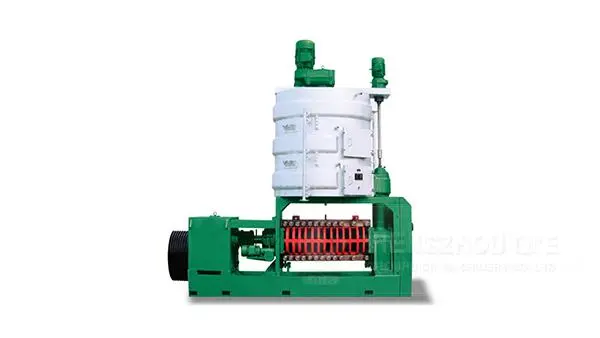
If your target market demands premium organic oils (like those sold under USDA Organic or EU Bio labels), cold pressing may be non-negotiable—even if it means investing in higher-capacity hydraulic presses. On the other hand, if you're producing commodity-grade oils for bulk food manufacturers, hot pressing offers faster throughput and lower energy costs per kilogram of oil.
Real-world tip: Many producers now use hybrid systems—like our SmartPress Pro Series—that allow seamless switching between hot and cold modes within minutes. This flexibility boosts efficiency by up to 22% during seasonal shifts or when processing mixed feedstocks.
Here’s a quick question to reflect on: Are you optimizing for volume or purity? If you’re unsure, consider running a small-scale trial with both methods using your specific raw material. You might be surprised how much the difference affects your final product’s shelf life, flavor profile, and customer satisfaction.
Ready to upgrade your press setup?
Explore Our Dual-Mode Hydraulic Presses