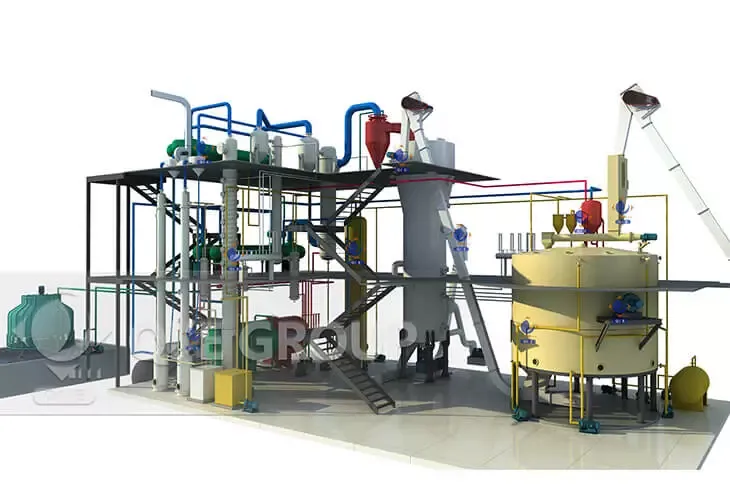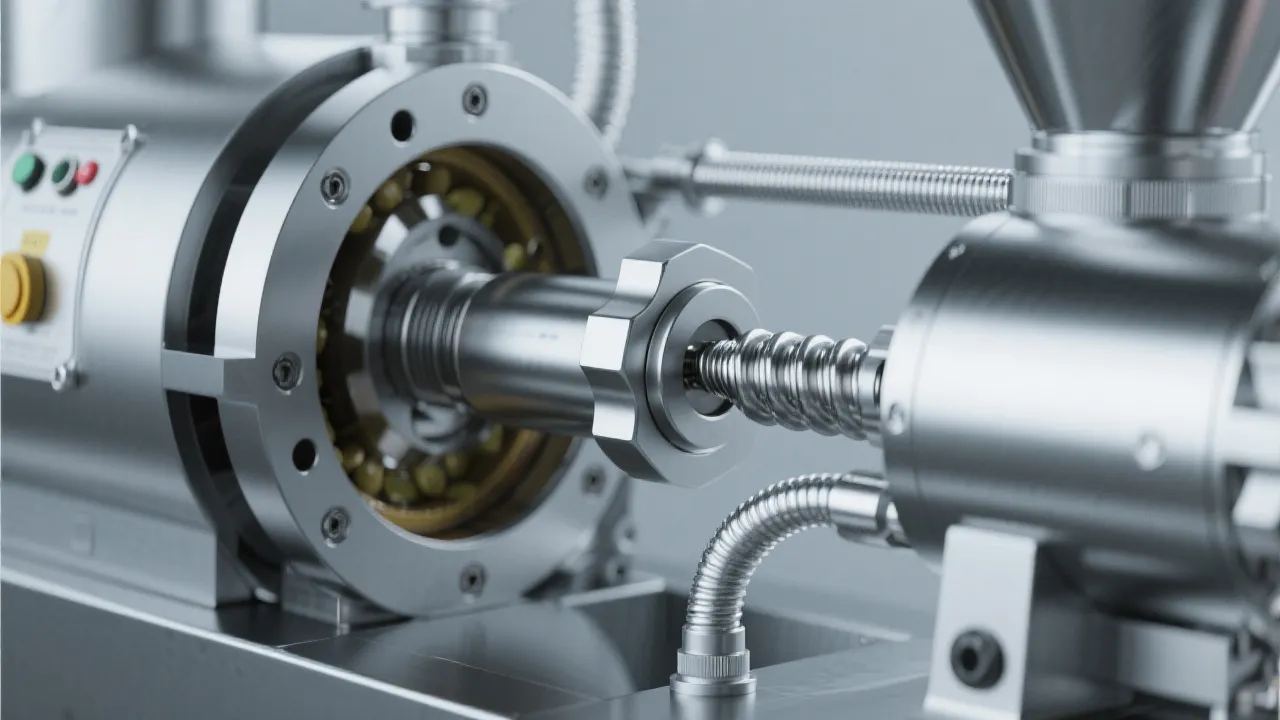
Selecting the right cold-pressed vegetable oil equipment can be a daunting task for many businesses. This article aims to provide a comprehensive guide to help you understand the key differences between hot and cold pressing processes, match the appropriate pressing method according to raw material characteristics, and ultimately enhance the quality and competitiveness of your foreign trade orders.
The fundamental difference between hot and cold pressing lies in temperature control. In hot pressing, the raw materials are heated to a relatively high temperature before pressing. This process can significantly increase the oil yield but may also lead to a reduction in the nutritional value of the oil due to the high - temperature treatment. On the other hand, cold pressing is carried out at a lower temperature, typically below 60°C, which helps to preserve the nutrients in the oil, such as vitamins and antioxidants, but generally results in a lower oil yield. For example, when pressing rapeseed, hot pressing can achieve an oil yield of around 38 - 42%, while cold pressing may only reach 30 - 35%. However, cold - pressed rapeseed oil retains more natural flavors and nutrients.
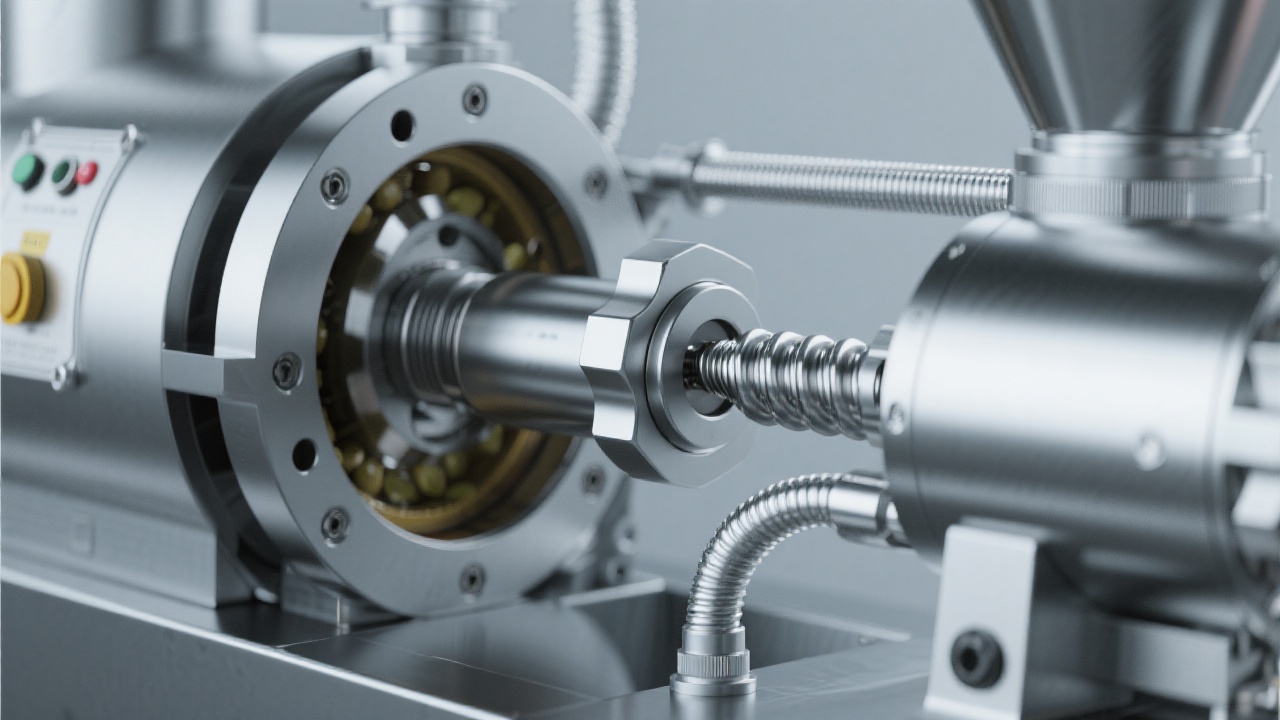
Different oilseeds have different characteristics, and thus require different pressing processes. For rapeseed, due to its relatively high oil content and hard texture, cold pressing can be a good choice if the target market values the nutritional value and natural flavor of the oil. For soybeans, which have a lower oil content, hot pressing may be more suitable to increase the oil yield. Peanuts, with their rich flavor, can be either hot - pressed to enhance the aroma or cold - pressed to preserve the nutrients. The following table summarizes the recommended processes for different oilseeds:
| Oilseed | Recommended Process |
|---|---|
| Rapeseed | Cold pressing for high - end market; hot pressing for higher yield |
| Soybean | Hot pressing |
| Peanut | Cold or hot pressing according to market demand |
In recent years, there has been a significant growth in the demand for cold - pressed oil in the high - end market, both domestically and internationally. Consumers in developed countries are becoming more health - conscious and are willing to pay a premium for high - quality, nutrient - rich cold - pressed oils. This trend presents a great opportunity for businesses engaged in foreign trade. Cold - pressed oils can command higher prices and have a stronger competitive edge in the international market, which can ultimately lead to increased profitability and better - quality foreign trade orders.

In addition to quality and yield, energy efficiency is also an important consideration in the vegetable oil pressing process. By adopting some energy - saving operation techniques, such as pre - heating control and waste heat recovery, businesses can not only reduce energy consumption but also demonstrate their commitment to green production. For example, pre - heating the raw materials to an appropriate temperature can reduce the energy required for pressing, and waste heat recovery systems can reuse the heat generated during the pressing process, which can save up to 20 - 30% of energy costs.
To further enhance the credibility and practicality of this article, we have included insights from front - line engineers. They have shared their real - world experiences and practical tips on cold - pressed vegetable oil equipment operation and maintenance. For example, an experienced engineer pointed out that regular maintenance of the equipment, such as cleaning and lubrication, can significantly extend the service life of the equipment and ensure stable production.

In conclusion, selecting the right cold - pressed vegetable oil equipment and process is crucial for businesses to improve the quality of their products and enhance their competitiveness in the foreign trade market. By understanding the differences between hot and cold pressing, choosing the appropriate process for different oilseeds, and adopting energy - saving operation techniques, businesses can achieve both quality improvement and efficiency enhancement. Are you still unsure if cold - pressing is the right choice for you? Take our quiz to find out! And don't miss out on the opportunity to upgrade your cold - pressing process. 立即获取《冷榨工艺实操手册》→