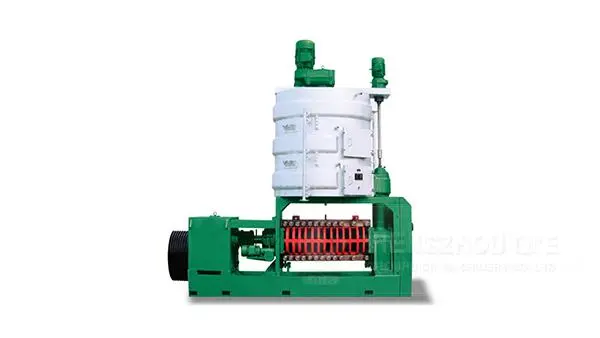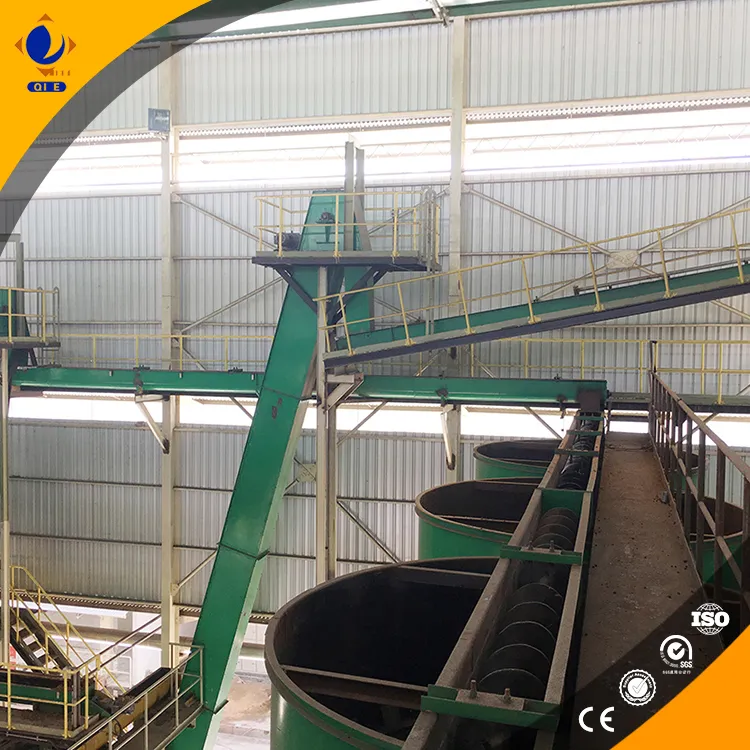
For food processors and oil mill operators worldwide, choosing between cold-press and hot-press extraction isn’t just a technical decision—it’s a strategic one that impacts product quality, market positioning, and long-term profitability. According to industry data from the International Oleochemical Society (IOS), cold-pressed oils now account for over 32% of premium edible oil sales in Europe and North America—a trend driven by rising consumer demand for minimally processed, nutrient-rich products.
In cold pressing, temperatures are kept below 40°C (104°F) throughout the process, preserving natural enzymes, antioxidants like vitamin E, and essential fatty acids such as omega-3s. In contrast, hot pressing typically involves heating raw materials to 70–90°C (158–194°F), which increases yield but degrades sensitive nutrients.
| Feature | Cold Press | Hot Press |
|---|---|---|
| Nutrient Retention | High (up to 90% of original tocopherols) | Low (30–50% loss of heat-sensitive compounds) |
| Yield Efficiency | Lower (~70–80%) | Higher (~85–95%) |
| Energy Consumption | Moderate (no pre-heating needed) | Higher (requires consistent thermal input) |
That said, cold pressing isn't always the best fit—especially when working with high-oil-content seeds like soybeans or sunflower kernels. For these, a hybrid approach using low-temperature conditioning followed by mechanical pressing can offer an optimal balance of yield and nutrition.
A case study from a mid-sized oil mill in Ukraine revealed that switching from traditional hot pressing to cold-press processing for rapeseed increased their export revenue by 27% within 12 months—not because they sold more volume, but because buyers were willing to pay up to 15% more for “cold-pressed” labeling in EU markets.
However, another manufacturer in India faced initial losses due to improper moisture control before pressing. Their first batch had higher free fatty acid levels than allowed under ISO standards, leading to rejection by a major German buyer. This highlights why understanding raw material prep is just as critical as the press type itself.
Modern energy-saving practices like intermittent operation cycles and waste heat recovery systems can reduce power consumption by up to 22%, according to a 2023 report by the Food and Agriculture Organization (FAO). These methods not only lower operating costs but also improve consistency—key for meeting global certification requirements like HACCP or BRCGS.
Tools like online oil yield calculators and moisture-adjustment charts are now widely available through platforms like GlobalSourcingHub and AgriTechPro. These tools help engineers estimate whether cold pressing will be economically viable based on seed type, moisture level, and target market specs.
Pro Tip: If you're targeting health-conscious markets like Germany, Canada, or Australia, even a small improvement in omega-3 retention can make your product stand out. Many importers now ask for lab reports showing oxidative stability (PV & AV values) before placing orders.
As global consumers increasingly seek transparency and traceability in food production, cold-press technology isn’t just a niche—it’s becoming a competitive necessity. Whether you’re scaling up or optimizing existing lines, the right choice depends on your raw materials, target market, and operational goals.