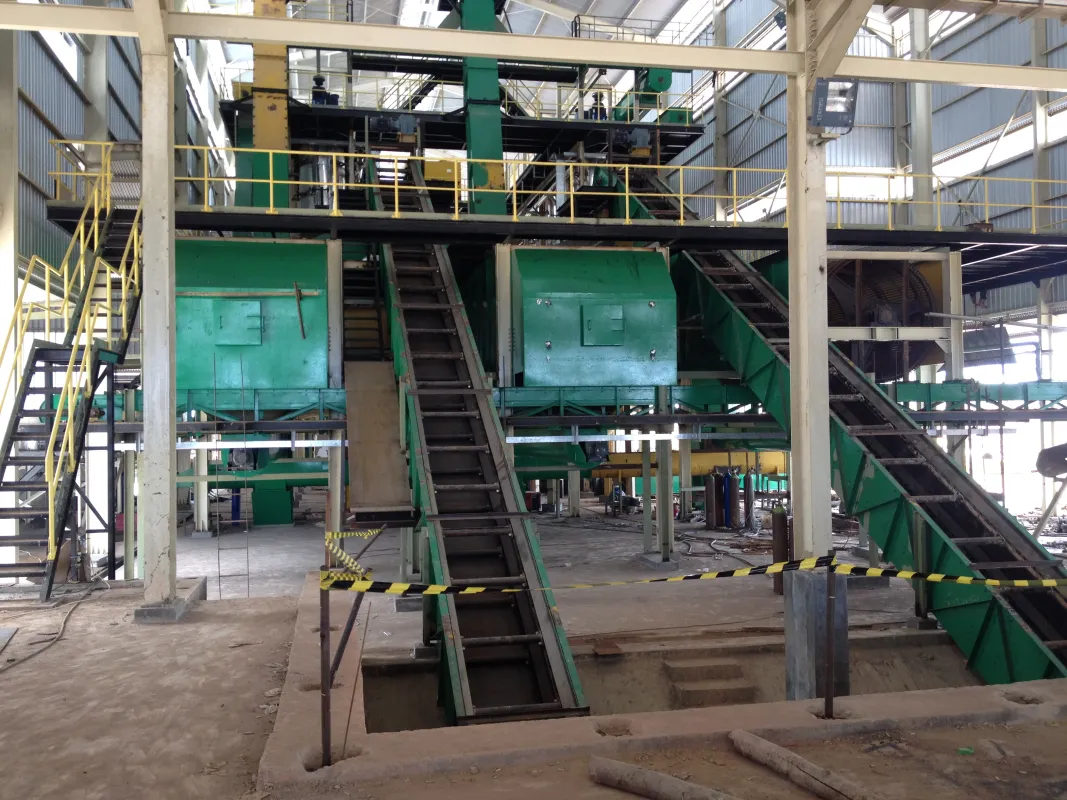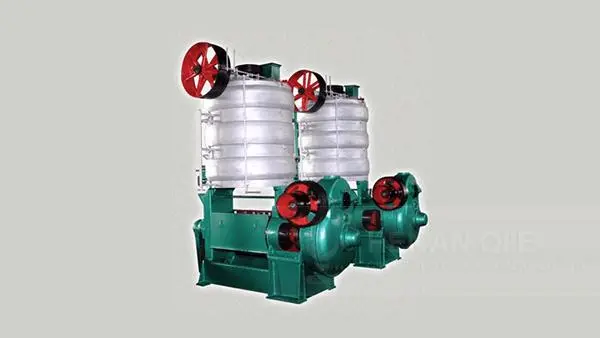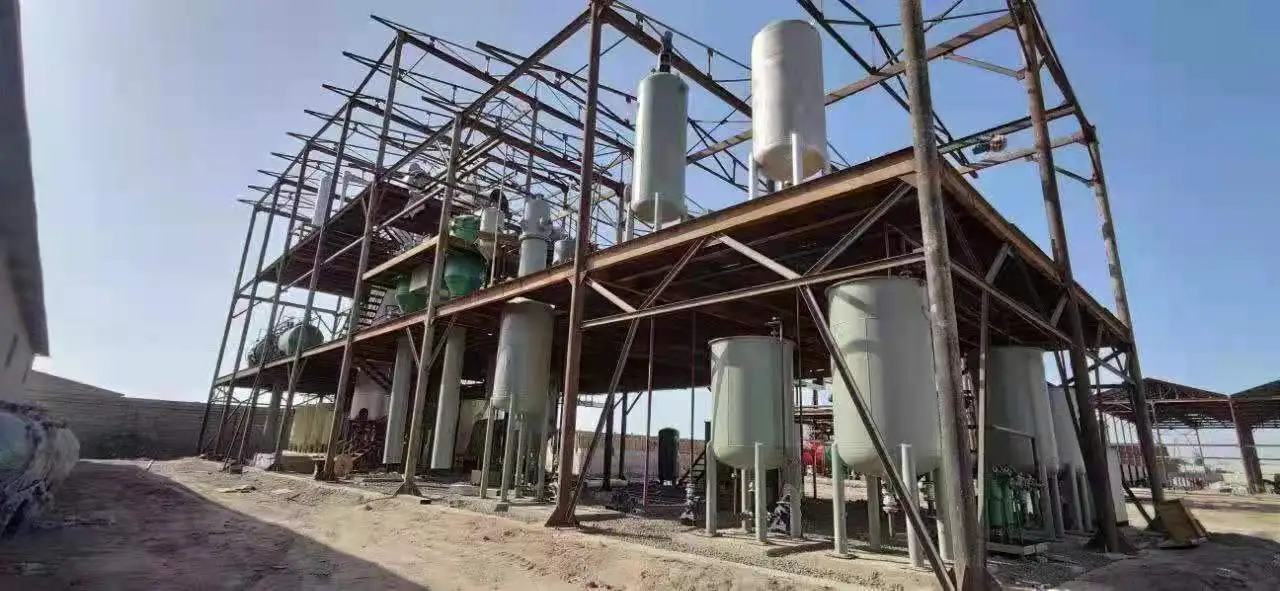
You may be wondering how to enhance the nutritional value and oil yield of vegetable oils. Cold pressing technology is the answer. Cold pressing is a mechanical extraction method that operates at low temperatures, typically below 60°C. This low - temperature process effectively preserves the natural nutrients, vitamins, and antioxidants in the oil, such as vitamin E and polyunsaturated fatty acids. In contrast, high - temperature processing in other methods can destroy these beneficial components.

Let's take a closer look at the differences between cold pressing and hot pressing. In terms of oil extraction efficiency, hot pressing generally has a higher initial oil yield. For example, when processing soybeans, hot pressing can achieve an oil yield of around 18 - 22%, while cold pressing may yield about 15 - 18%. However, cold - pressed oils have a more natural and delicate flavor, which is highly valued in the high - end market.
| Comparison Items | Cold Pressing | Hot Pressing |
|---|---|---|
| Oil Yield | 15 - 18% (e.g., soybeans) | 18 - 22% (e.g., soybeans) |
| Flavor | Natural and delicate | Stronger, may have cooked flavor |
| Nutritional Value | High, nutrients preserved | Some nutrients may be lost |
| Suitable Raw Materials | High - quality, low - moisture raw materials | Wider range of raw materials |
When it comes to different oilseeds like rapeseeds and soybeans, there are specific optimal pressing schemes. For rapeseeds, a two - stage cold pressing process is recommended. First, pre - press at a lower pressure of about 5 - 10 MPa, and then conduct a secondary press at a higher pressure of 20 - 30 MPa. This can increase the oil yield while maintaining the quality of the oil.
For soybeans, due to their relatively high moisture content, it is necessary to dry them to a moisture level of about 8 - 10% before cold pressing. The pressing temperature should be controlled at around 40 - 50°C to ensure a good oil yield and quality.

Have you ever encountered problems with low oil yield in cold pressing? Front - line engineers have shared some of their experiences. In some cases, improper temperature control led to low oil yield. For example, if the temperature is too low, the oil viscosity will increase, making it difficult to separate from the raw materials. On the other hand, if the temperature is too high, the nutritional value of the oil will be affected.
One successful optimization method is to adjust the pressing speed according to the characteristics of the raw materials. For hard - shelled oilseeds, a slower pressing speed can ensure more complete oil extraction.
In today's environmentally conscious era, energy - saving is crucial. You can implement pre - heating management. For example, use the waste heat from the previous pressing process to pre - heat the next batch of raw materials, which can save up to 15 - 20% of energy consumption. Another effective measure is waste heat recovery. By installing a waste heat recovery system, you can reuse the heat generated during the pressing process for other purposes, such as heating the workshop or pre - treating the raw materials.
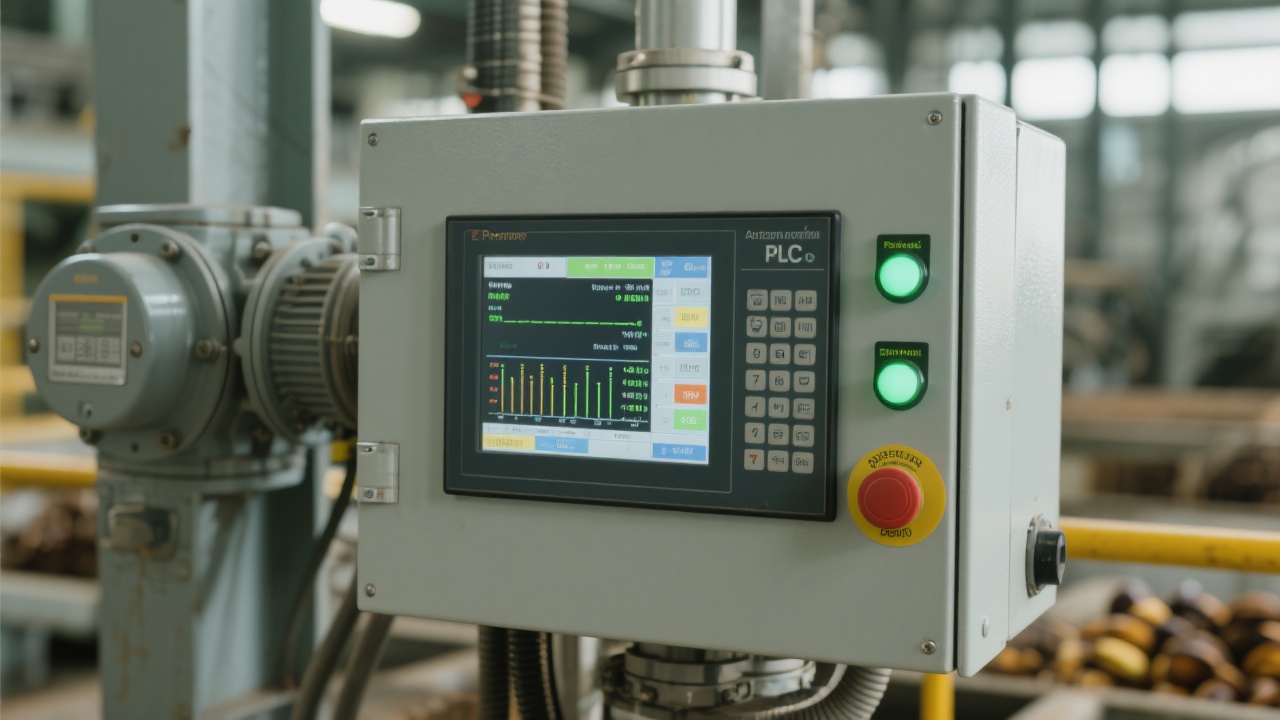
As consumers become more health - conscious, the demand for high - quality cold - pressed oils is expected to continue to grow. In the future, cold pressing technology will likely become more automated and intelligent, with better control of temperature, pressure, and other parameters. This will not only improve the oil yield and quality but also reduce production costs.
Are you ready to embrace these future trends and upgrade your cold pressing process? By mastering these core technologies, you can gain a competitive edge in the market.
To learn more about cold pressing technology and get a complete set of practical guides, download the 'Cold Pressing Process Practical Manual' now.