

Before diving into the cold - pressing technique, it's crucial to understand the basic principles of hot and cold pressing. Hot pressing involves heating the oilseeds to a relatively high temperature (around 120 - 180°C) before extraction. This process can increase the oil yield significantly, sometimes up to 20 - 30% more than cold pressing for certain seeds. However, the high temperature can also cause the destruction of some heat - sensitive nutrients such as vitamins (e.g., vitamin E) and unsaturated fatty acids.
On the other hand, cold pressing is carried out at a much lower temperature, usually below 60°C. This gentle process helps to preserve the natural nutrients, flavors, and colors of the oil. The oil obtained from cold pressing has a fresher taste and higher nutritional value, making it more appealing to health - conscious consumers.
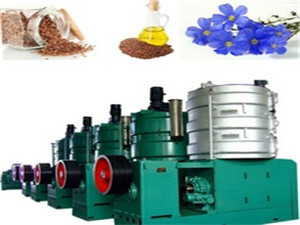
Rapeseed has a relatively high oil content. For rapeseed, cold pressing can be a good choice if you aim to produce high - quality, nutrient - rich oil. However, the cold - pressing oil yield from rapeseed is generally around 30 - 35%, which is lower than hot pressing. If you prioritize quantity, hot pressing might be more suitable, but you'll sacrifice some of the nutritional value.
Soybeans have a lower oil content compared to rapeseed. Cold pressing soybeans can result in an oil yield of about 15 - 20%. Since soybeans also contain a significant amount of protein, cold pressing can better preserve both the oil's nutrients and the quality of the remaining soybean meal for animal feed or other uses. But if you need a higher oil output, hot pressing could be considered.
Peanuts are rich in oil. Cold - pressed peanut oil has a rich, natural flavor and high nutritional value. The cold - pressing oil yield from peanuts is approximately 40 - 45%. If you want to produce premium peanut oil for the high - end market, cold pressing is the way to go. But for large - scale, cost - effective production, hot pressing may be more practical.
One of the most common problems in cold pressing is temperature control. If the temperature gets out of control, it can lead to oil oxidation, which reduces the oil's quality and shelf - life. To solve this problem, you can use a temperature - controlled cooling system. Install a thermometer in the pressing chamber and set up an automatic cooling device to adjust the temperature in real - time.
Another issue is low oil yield. This can be caused by improper pressure adjustment or the use of low - quality seeds. You need to adjust the pressure according to the type of seeds. For example, for peanuts, a pressure of around 30 - 40 MPa is usually appropriate. Also, make sure to select high - quality, clean, and dry seeds for pressing.
Energy - saving is an important aspect of modern cold - pressing operations. You can control the pre - heating process carefully. Only pre - heat the seeds to the necessary temperature, usually around 30 - 40°C for most seeds. This can reduce the energy consumption during the pressing process.
Waste heat recovery is another effective method. Install a heat exchanger to recover the waste heat generated during the pressing process and use it for pre - heating the incoming seeds or other parts of the production line. Intermittent operation can also save energy. Instead of running the pressing machine continuously, you can set it to operate intermittently according to the production demand.

With the growing trend of healthy eating, the market demand for cold - pressed oil is increasing rapidly. Cold - pressed oils are rich in antioxidants, vitamins, and unsaturated fatty acids, which are beneficial for heart health, skin health, and overall well - being. Consumers are becoming more aware of the health benefits of cold - pressed oil, and they are willing to pay a premium for high - quality cold - pressed products. This presents a great opportunity for oil producers to enter or expand in the cold - pressed oil market.
To determine whether a particular batch of seeds is suitable for cold pressing, you can use a moisture meter to measure the moisture content of the seeds. The ideal moisture content for cold pressing is usually between 8 - 12%. You can also use a spectrophotometer to analyze the nutrient content of the oil during the pressing process. This can help you monitor the quality of the oil and make adjustments to the pressing parameters if necessary.
The choice of equipment has a significant impact on the cold - pressing results. For example, the Penguin hydraulic press has several advantages. It can provide a stable and adjustable pressure, which is crucial for achieving a high oil yield and good oil quality. It also has a relatively low noise level and is easy to operate and maintain. When selecting equipment, you should consider factors such as the capacity, pressure range, and energy consumption of the machine.

In conclusion, cold pressing is a valuable technique for producing high - quality, nutrient - rich vegetable oil. By following the guidelines in this article, you can optimize your cold - pressing process, solve common problems, save energy, and meet the growing market demand. Click here to download a detailed cold - pressing operation manual and learn more about equipment selection!


