For food manufacturers and B2B buyers seeking superior quality in edible oils, understanding the difference between cold pressing and hot pressing isn’t just technical—it’s strategic. Cold-pressed oils retain up to 95% of their natural antioxidants, compared to only 60–70% in hot-pressed counterparts, according to a 2022 study by the International Journal of Food Science & Technology.
Unlike traditional hot pressing—which uses temperatures above 100°C to extract oil—cold pressing maintains temperatures below 40°C. This preserves delicate nutrients like vitamin E, omega-3s, and polyphenols that are often degraded during thermal processing. In fact, cold-pressed sunflower oil has been shown to have 3x higher tocopherol content than its hot-pressed equivalent.
| Processing Method | Avg. Temp (°C) | Nutrient Retention | Flavor Profile |
|---|---|---|---|
| Hot Pressing | 105–120 | 60–70% | Neutral/Processed |
| Cold Pressing | 25–40 | 90–95% | Fresh, Nutty, Aromatic |
Industry leaders like European premium oil producers report a 25% increase in customer retention after switching to cold-pressed lines—proof that flavor integrity drives loyalty. For your brand, this means more than just better taste—it’s about building trust with health-conscious consumers who now expect transparency in how their food is made.

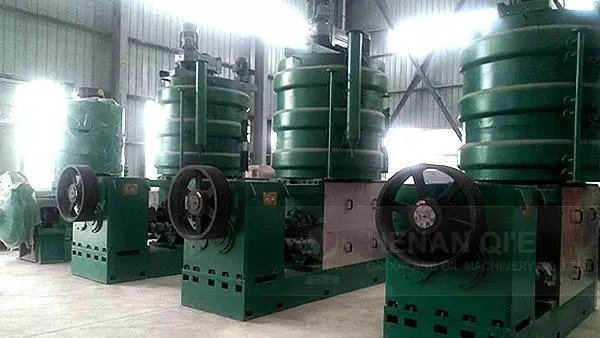
Implementing cold pressing doesn’t mean sacrificing productivity. With modern screw presses and hydraulic systems, many factories achieve 15–20% faster throughput while reducing energy consumption by up to 30%. One case study from a German OEM showed that integrating pre-conditioning (moisture control) improved yield by 8% without increasing input costs.
Key tips for engineers and procurement managers:

The future of edible oil production lies in sustainable innovation—not just compliance. As global demand for “clean label” products grows at 7.2% annually (Statista, 2023), cold pressing positions your brand as both technologically advanced and environmentally responsible.
Get expert guidance on selecting the right cold press equipment tailored to your raw materials and production scale.
Download Cold Press Process Handbook →