In the realm of oil processing, two prominent techniques stand out: the oil pressing process and the solvent extraction process. Qi'e Grain and Oil Machinery Co., Ltd., a leading player in the industry, provides in - depth insights into the comparison of these two processes, aiming to assist oil processing enterprises in making informed decisions.
The oil pressing process is a mechanical approach. It involves directly squeezing oilseeds to extract oil. The oilseeds are first cleaned, crushed, and then pressed through a press machine. This is a straightforward and traditional method that has been used for centuries.
In contrast, the solvent extraction process uses a solvent (usually hexane) to dissolve the oil from the oilseeds. After the oil is dissolved, the solvent is evaporated and recovered, leaving behind the extracted oil. This process is more complex but can achieve higher oil extraction rates.
Generally, the solvent extraction process has a higher oil yield compared to the oil pressing process. Since the solvent can dissolve the oil more completely from the oilseeds, it can extract a larger proportion of the oil content. For example, when processing soybeans, the solvent extraction process can achieve an oil yield of around 19% - 22%, while the oil pressing process may only reach about 15% - 18%.
However, the oil pressing process may be preferred in some cases where the quality of the oil and the natural flavor are highly valued, even though the yield is relatively lower.
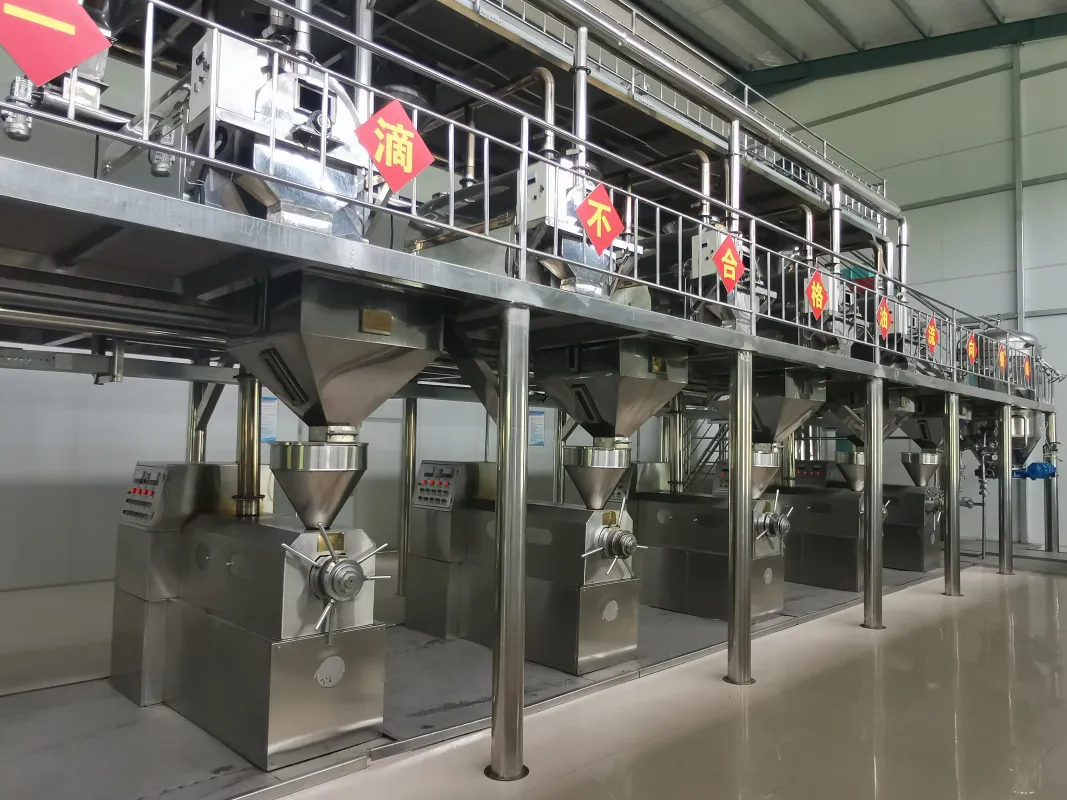
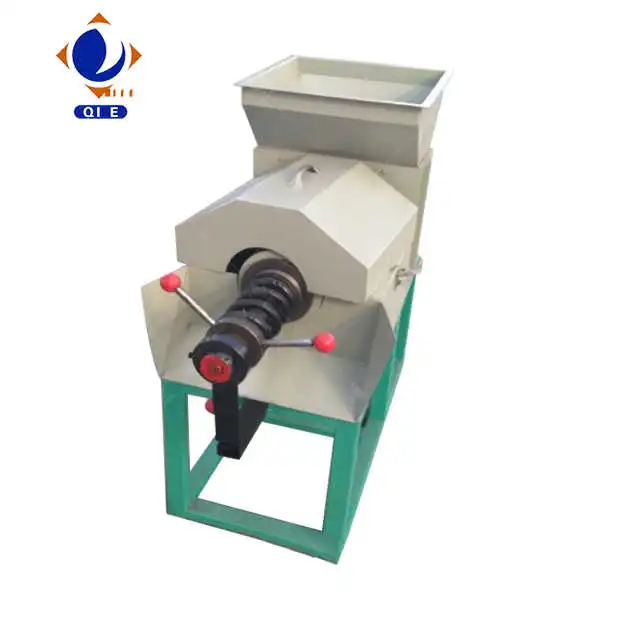
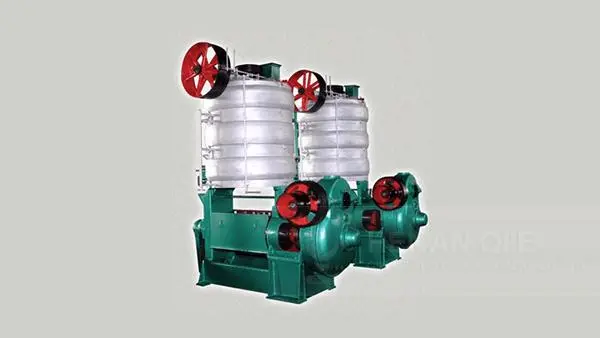
The oil pressing process mainly requires oil press machines, which come in different types and capacities according to the production scale. These machines are relatively simple in structure and easy to operate and maintain.
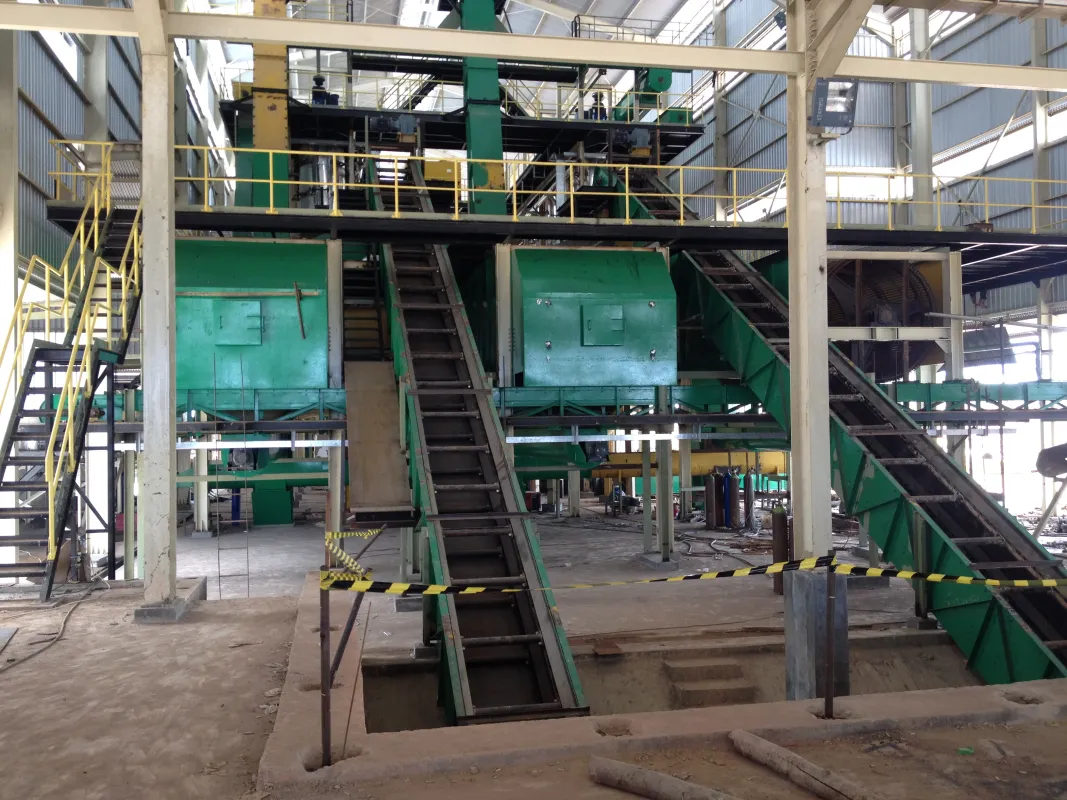
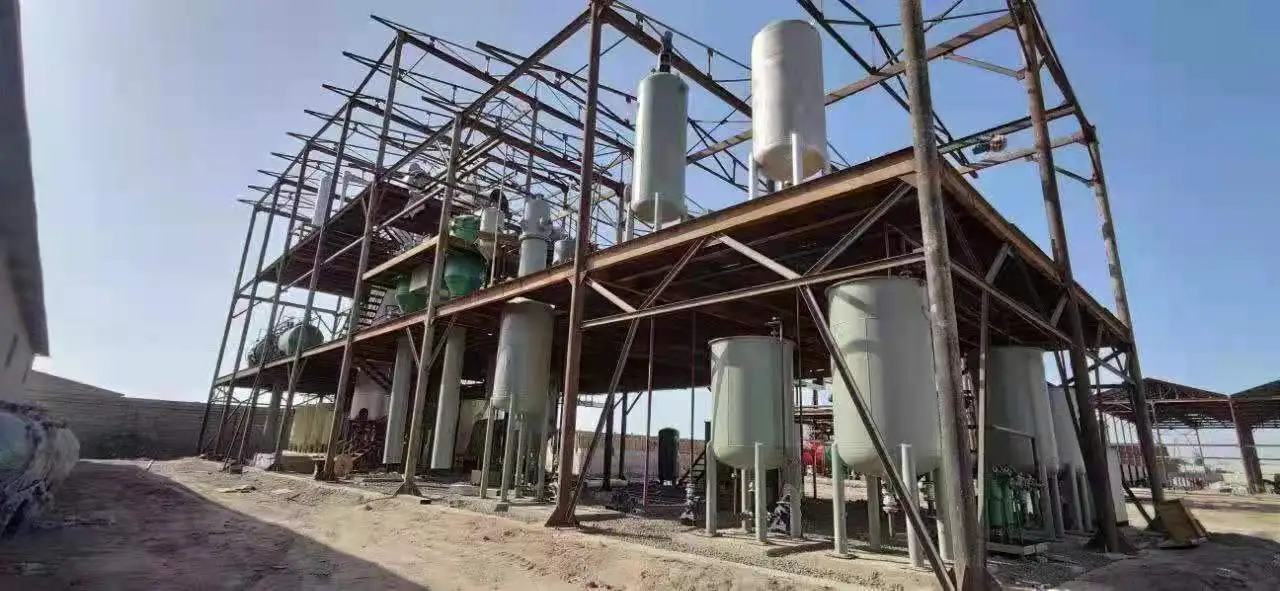
The solvent extraction process, on the other hand, needs more complex equipment, including extraction units, solvent recovery systems, and safety devices. The investment in equipment for the solvent extraction process is generally higher, and the operation and maintenance also require more professional skills.
The oil pressing process is relatively energy - efficient, especially for small - scale production. Since it mainly relies on mechanical force, the energy consumption is mainly used for driving the press machine.
The solvent extraction process involves multiple steps such as heating, evaporation, and distillation, which consume more energy. However, in large - scale production, the efficiency improvement may offset the relatively high energy consumption.
The oil pressing process is generally safer as it does not involve flammable or toxic solvents. The main safety concerns are related to the mechanical operation of the press machine, such as preventing injuries from moving parts.
The solvent extraction process uses hexane, which is a flammable and volatile solvent. Special safety measures need to be taken in the production process, including proper ventilation, fire prevention, and explosion - proof facilities, to ensure the safety of the production environment.
The oil pressing process is suitable for a variety of oilseeds, especially those with high oil content, such as peanuts and sesame seeds. It can preserve the natural flavor and nutrients of the oilseeds to a greater extent.
The solvent extraction process is more suitable for oilseeds with low oil content, such as soybeans. It can extract more oil from these oilseeds to improve the economic efficiency of production.
In conclusion, Qi'e Grain and Oil Machinery Co., Ltd. emphasizes that when oil processing enterprises choose between the oil pressing and solvent extraction processes, they need to comprehensively consider various factors such as process flow, oil yield, equipment investment, energy consumption, safety, and the type of oilseeds. By making a scientific and reasonable choice, enterprises can achieve better production efficiency and product quality.