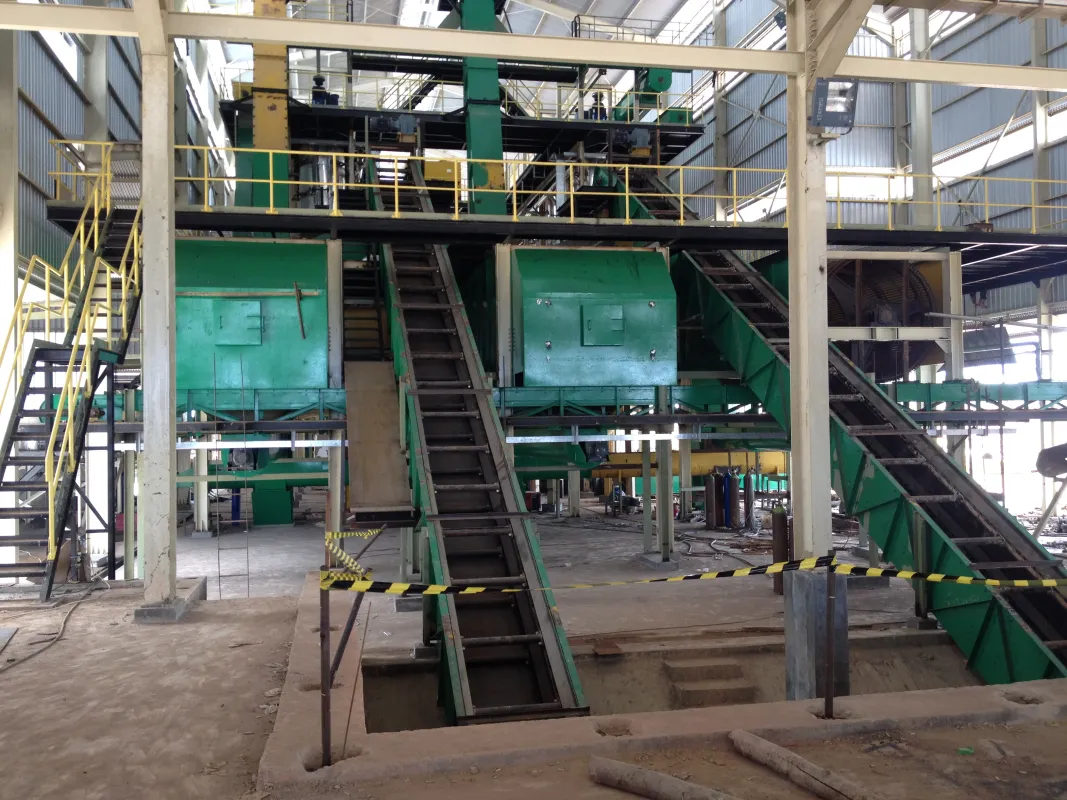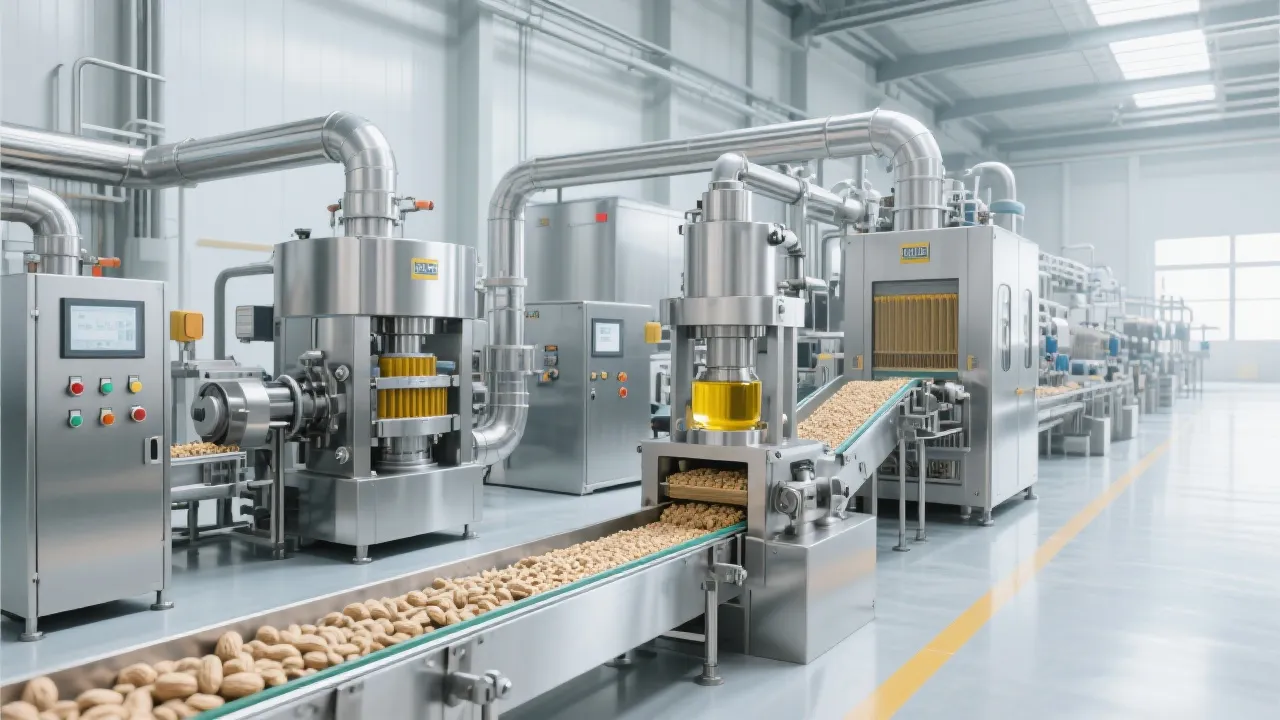
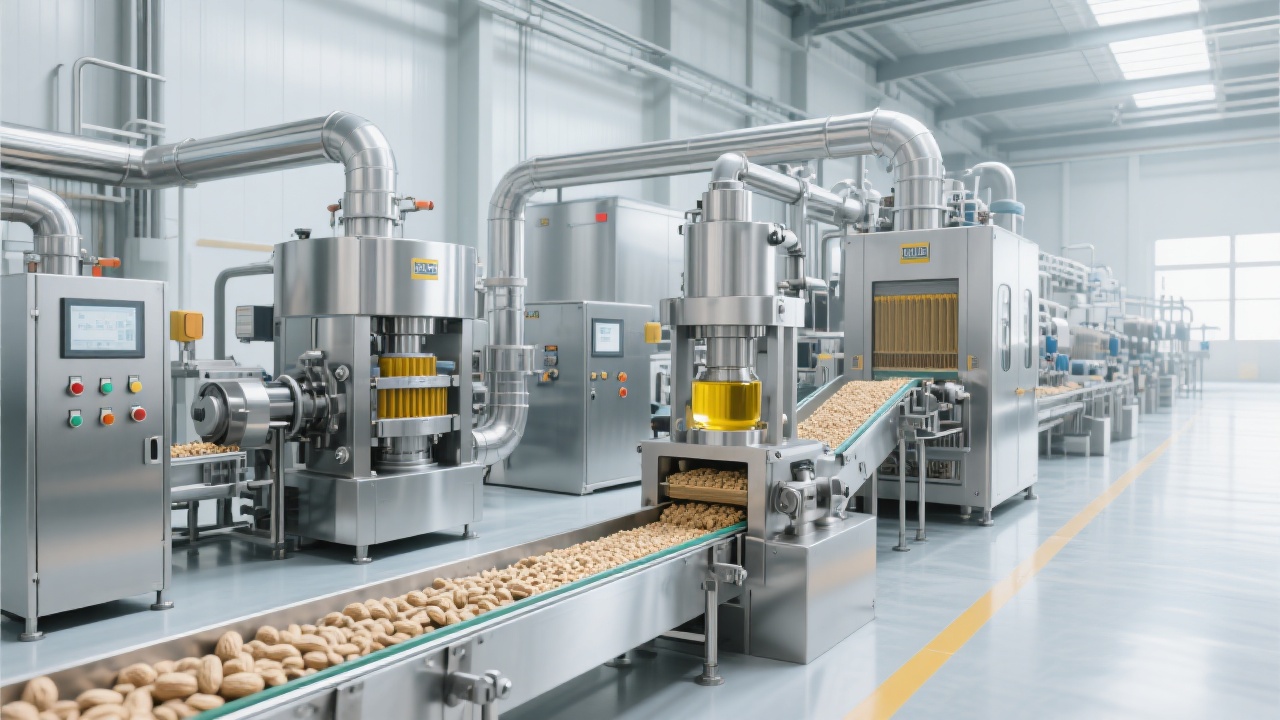
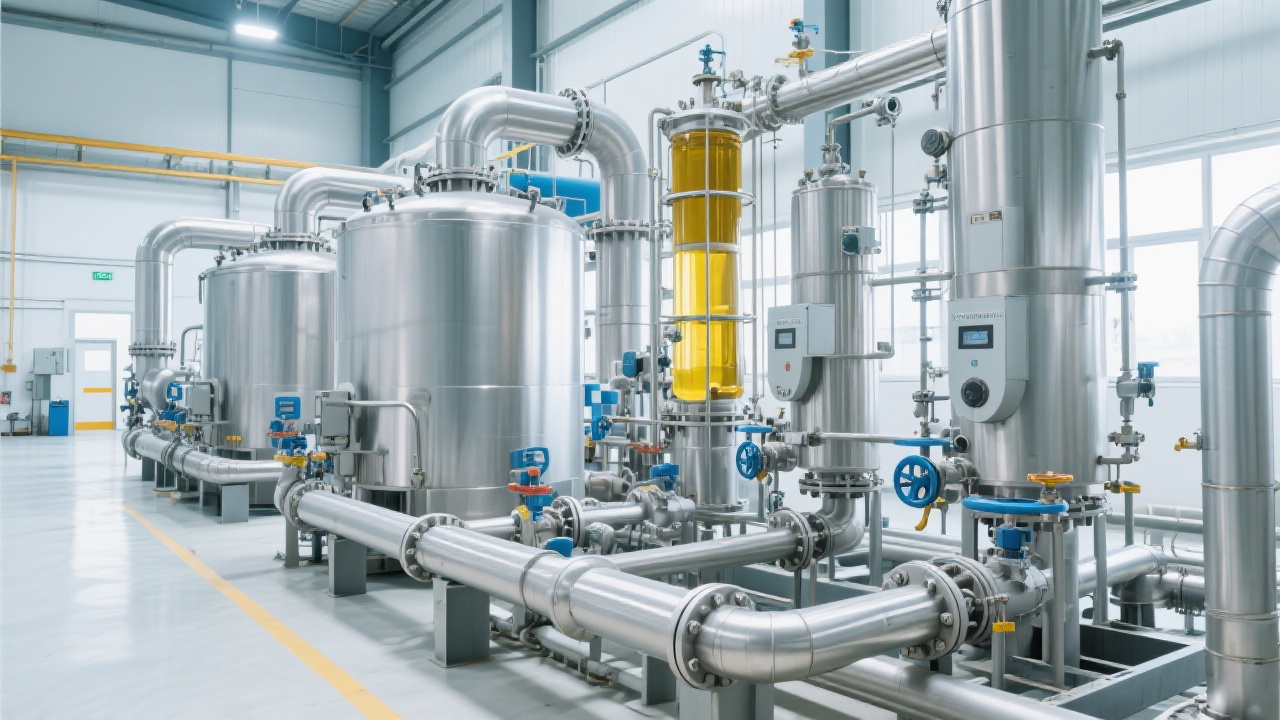
In the competitive global edible oil market, particularly for peanut oil exporters, securing premium quality and compliance with stringent international food safety standards is paramount. QIE Group’s automated peanut oil filling system integrates cutting-edge filtration materials and precision-engineered automation technology to surmount traditional challenges—namely impurities, inferior flavor, and nutrient degradation—thus elevating product quality and process efficiency.
Conventional peanut oil production processes are often plagued by suspended solids, phospholipids, and free fatty acids that adversely affect taste and shelf-life. Establishing high-efficiency filtration is critical. The Penguin automated system employs a dual-mode filtration approach combining physical separation and chemical adsorption to maximize impurity removal.
The refining stage is pivotal for preserving peanut oil's nutritional profile and ensuring compliance with food safety regulations such as GB 2716 and ISO 9001:2015. Penguin’s automated system excels through modular process stages with fine-tuned temperature and residence time control:
| Refining Stage | Key Parameters | Quality Benefits |
|---|---|---|
| Degumming | Water ratio: 3%, Temp: 60-65°C, Time: 30 min | Removes phospholipids, prevents off-flavors |
| Neutralization | Caustic soda concentration: 0.4%, Temp: 90-95°C, Time: 15 min | Reduces free fatty acids, stabilizes oil |
| Bleaching | Bleaching earth: 1.5%, Temp: 85-90°C, Time: 25 min | Removes pigments, enhances clarity |
| Deodorization | Vacuum pressure: <5 mmHg, Temp: 230-250°C, Time: 60-90 min | Removes volatile compounds, preserves flavor |
Notably, the system emphasizes low-temperature slow-processing, which empirical studies indicate retains up to 15% more tocopherols and phytosterols compared to traditional high-heat refining, directly translating into better nutritional value and consumer appeal.
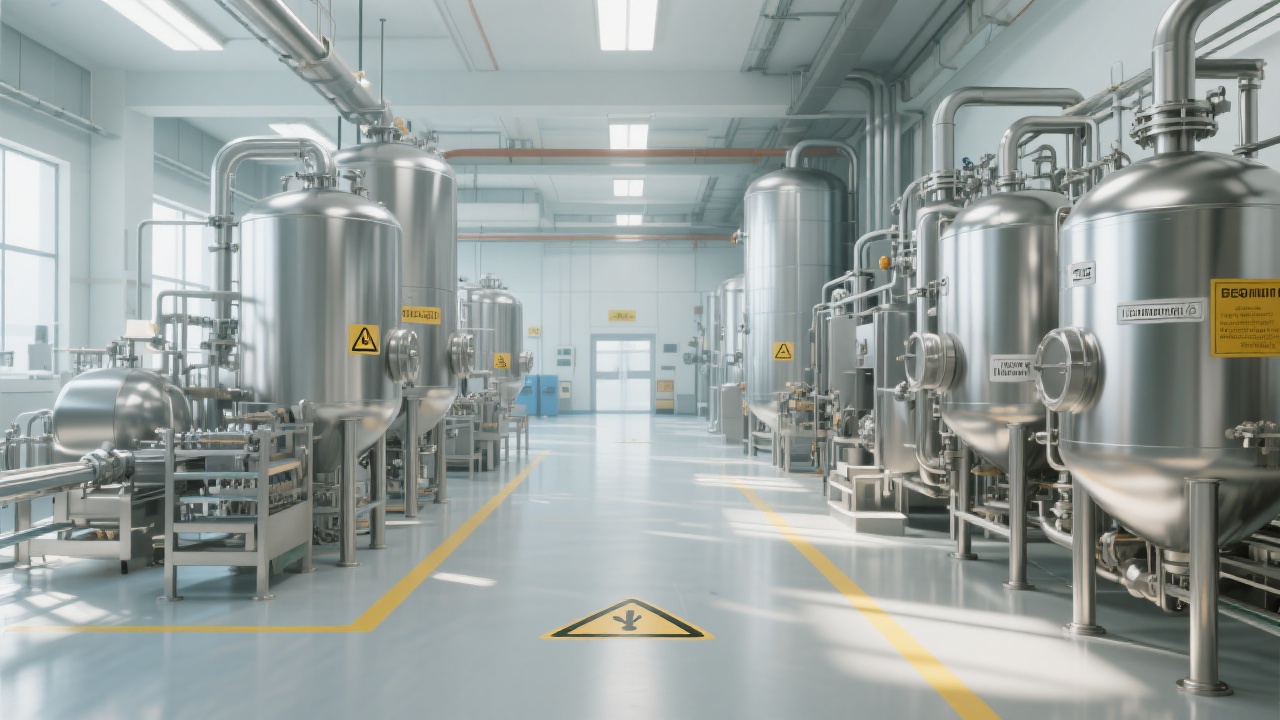
Understanding the diverse scale of peanut oil manufacturers—from SME processors producing 10-50 tons/day to large enterprises exceeding 200 tons/day—the Penguin system offers modular automation components and dynamic parameter controls. This flexibility enables operators to:
For instance, a mid-sized client reported a 28% improvement in oil clarity and a 22% decrease in off-flavor compounds within two production cycles after system commissioning, confirming practical efficacy.
.jpg?x-oss-process=image/resize,h_800,m_lfit/format,webp)