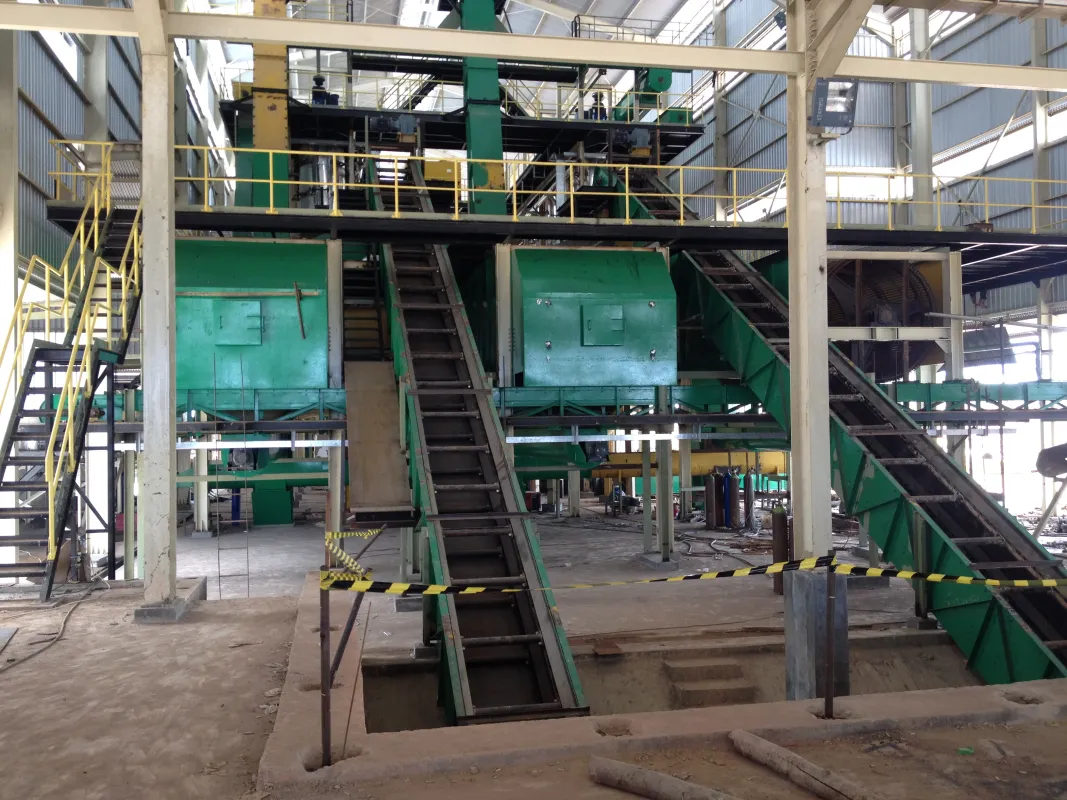
In the realm of homemade food, there's a growing interest in producing high - quality, pure - handcrafted sesame oil. This article delves into how you can use the small household sesame oil making machine developed by QIE Group to achieve efficient and pure - handcrafted sesame oil production at home or in a small workshop.
The entire process of making sesame oil with this machine involves several crucial steps, from raw material pre - treatment to final storage. Let's start with the pre - treatment of raw materials. According to industry data, controlling the moisture content during the drying process is vital for oil extraction efficiency. Experts suggest that the moisture content of sesame seeds should be reduced to about 5% - 8%. If the moisture is too high, it can significantly reduce the oil yield. For instance, when the moisture content is around 15%, the oil yield can be up to 10% lower compared to when it's within the recommended range.
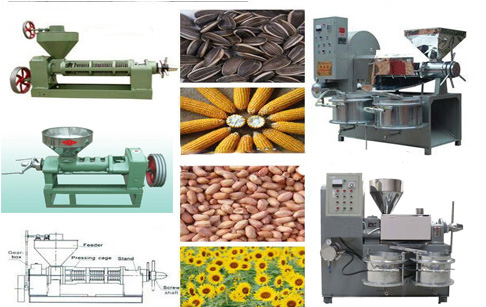
The pressing and filtration stages are also critical for the quality and nutrition retention of the oil. During the pressing process, the temperature and pressure play key roles. Generally, a moderate temperature of around 60 - 80°C and a pressure of 10 - 15 MPa can help retain more nutrients and improve the oil yield. As for filtration, choosing the right filter cloth pore size is essential. A smaller pore size can effectively remove more impurities, but it may also slow down the filtration speed. Industry experts recommend a filter cloth with a pore size of 10 - 20 microns for a good balance between impurity removal and filtration efficiency.
Once the oil is pressed and filtered, proper filling and storage are necessary to prevent oil oxidation. It's crucial to fill the oil in an air - tight container and store it in a cool, dark place. Studies show that storing sesame oil at a temperature below 10°C and in complete darkness can extend its shelf life by up to 3 - 6 months compared to storing it at room temperature and in the light.
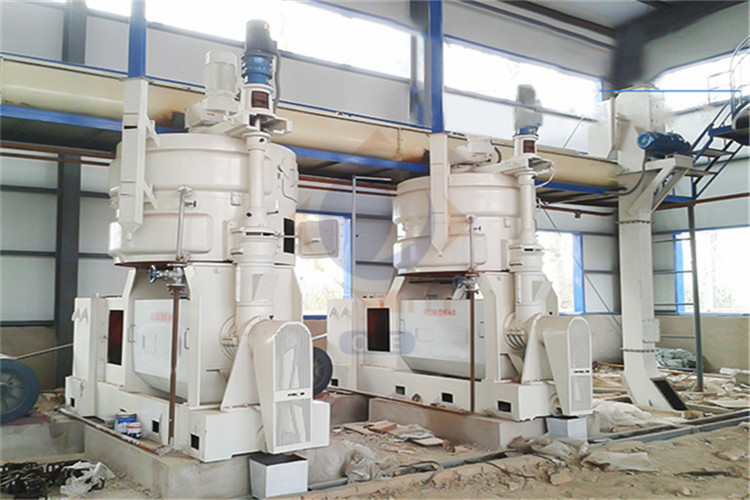
This small sesame oil making machine from QIE Group comes with several outstanding features. It has a fully enclosed system, which ensures the purity of the oil by preventing external contaminants from entering during the production process. Moreover, the machine has passed the ISO9001 international quality certification, which guarantees its high - quality standards in design, production, and service.
To avoid oil oxidation, you can add natural antioxidants such as vitamin E during the production process. Also, using high - quality raw materials and following the correct production process can significantly reduce the risk of oxidation. When it comes to reducing impurities, proper filtration and regular cleaning of the machine are necessary. Cleaning the machine after every 5 - 10 batches of production can help maintain its performance and ensure the quality of the oil.
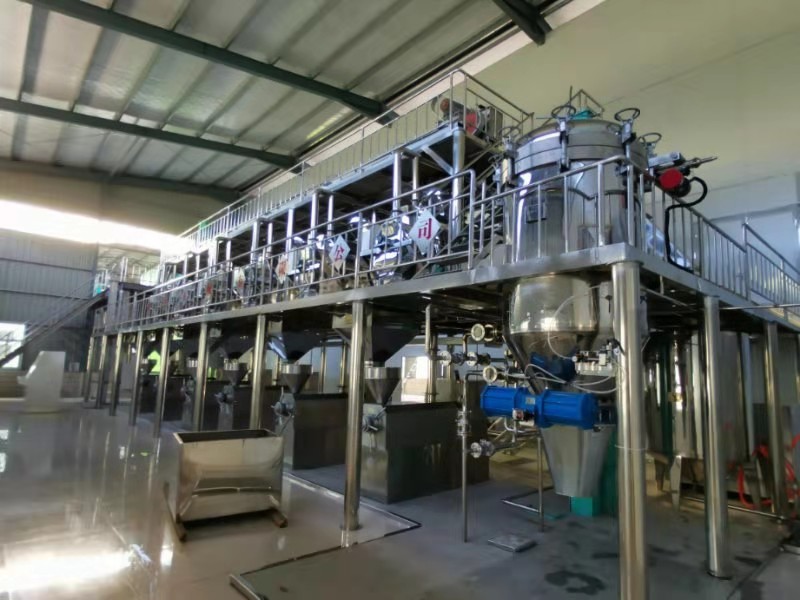
In conclusion, by following the key steps and tips mentioned above, you can effectively use the small household sesame oil making machine to produce high - quality, stable homemade sesame oil. If you're interested in this machine or have any questions about the production process, please feel free to visit /products/qie-group-products-energy-saving-and-efficient-small-sesame-oil-production-plant-designed-for-organic-producers..html to learn more. We also encourage you to share your challenges and experiences in using the machine, which will help us better improve our products and services.