
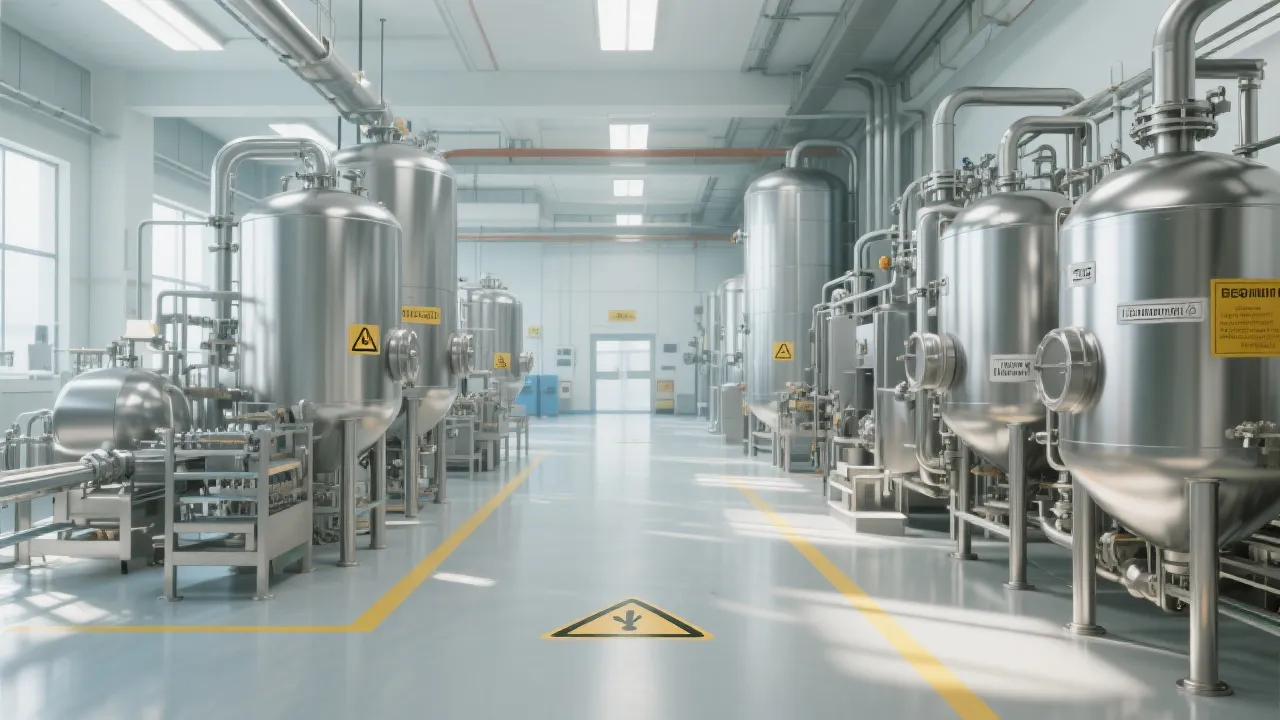
In the global edible oil market, ensuring the safety and quality of peanut oil is a top priority for both small workshops and large oil mills. Traditional peanut oil filling methods often result in products with high impurity levels, poor taste, and difficulty meeting international food safety standards. This article delves into the core filtration and refining processes in automated peanut oil filling systems, aiming to help the industry optimize production parameters and enhance product competitiveness.
Traditional peanut oil filling systems have long been plagued by several issues. The presence of impurities in the oil not only affects the taste but also makes it challenging to comply with strict international food safety standards such as GB 2716 and ISO. These impurities can range from solid particles to unwanted chemical compounds, which can compromise the quality and safety of the final product.
There are two main types of filtration technologies used in peanut oil production: physical filtration and chemical filtration. Physical filtration methods, such as centrifugal and membrane filtration, work by separating impurities from the oil based on their physical properties. Centrifugal filtration uses centrifugal force to separate heavier impurities from the lighter oil, while membrane filtration uses a semi - permeable membrane to trap impurities.
Chemical filtration, on the other hand, involves the use of chemical filter aids. These filter aids can react with certain impurities in the oil, causing them to form larger particles that can be more easily removed. For example, some chemical filter aids can react with acidic components in the oil, reducing the acid value of the oil.
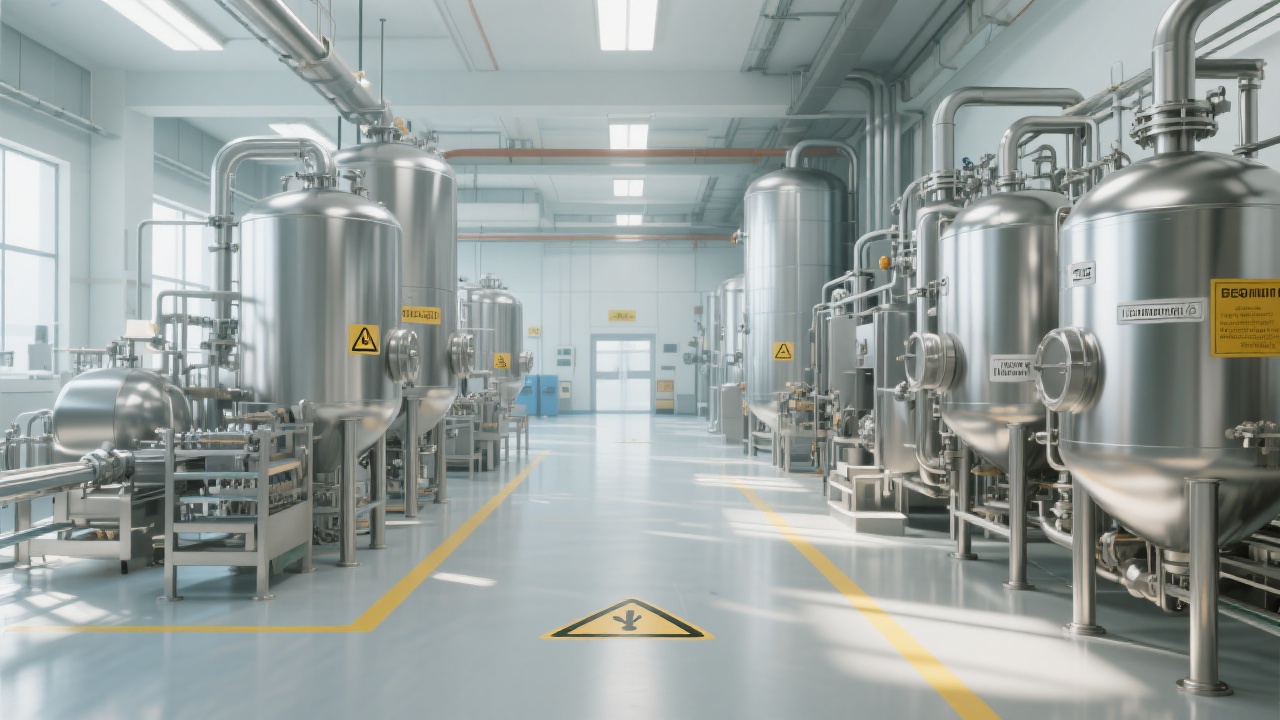
The refining process of peanut oil consists of four main steps: degumming, deacidification, decolorization, and deodorization. Degumming is the process of removing phospholipids and other gummy substances from the oil. This step is crucial as these substances can cause the oil to become cloudy and affect its stability.
Deacidification is used to remove free fatty acids from the oil. High levels of free fatty acids can lead to an unpleasant taste and reduce the shelf - life of the oil. Decolorization involves removing pigments from the oil to improve its appearance. Finally, deodorization removes volatile compounds that cause unpleasant odors in the oil.
It's important to note that these refining processes not only remove impurities but also have an impact on the nutritional value of the oil. Therefore, finding the right balance between impurity removal and nutritional retention is essential.
Different production scales require different parameter adjustment strategies. For small - scale production, lower temperatures, pressures, and longer processing times may be more appropriate to ensure thorough filtration and refining. In contrast, large - scale production may require higher temperatures and pressures to increase production efficiency.
By adjusting parameters such as temperature, pressure, and time, oil producers can optimize the production process. For example, increasing the temperature during the deodorization process can help to remove more volatile compounds, but it may also lead to a greater loss of nutrients. Therefore, careful consideration is needed when adjusting these parameters.
One anonymous client, a medium - sized oil mill, implemented the recommended filtration and refining processes. After optimization, the product qualification rate increased by 20%, and the production loss decreased by 15%. These results clearly demonstrate the effectiveness of the proposed solutions.
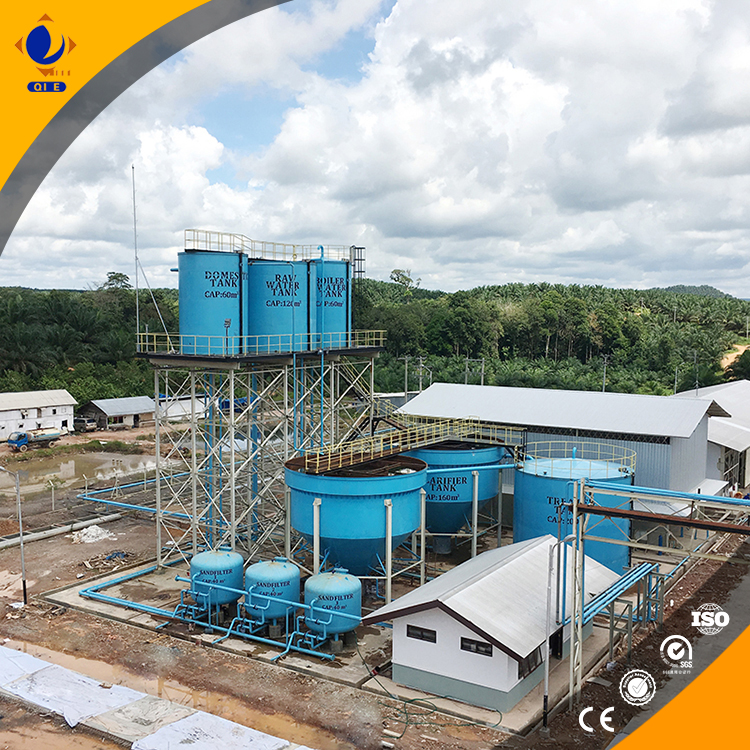
In conclusion, by adopting advanced filtration and refining technologies and optimizing production parameters, peanut oil producers can ensure that their products meet international food safety standards, improve product quality, and enhance market competitiveness. If you're interested in learning more about these processes and getting a detailed operation manual or booking a technical consultation, click the button below.
Get the Operation Manual or Book a Consultation

.jpg?x-oss-process=image/resize,h_800,m_lfit/format,webp)


