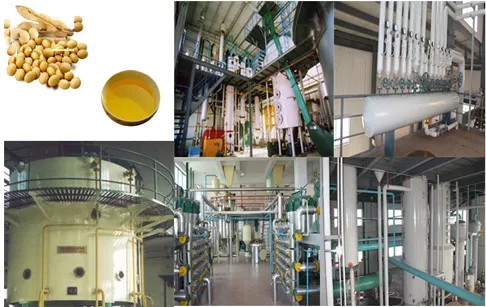
Vegetable oil pressing is a crucial process in the food industry, catering to a wide range of raw materials such as soybeans, rapeseeds, and more. There are two core techniques in this process: hot pressing and cold pressing. Understanding their differences is essential for加工厂 technical leaders and procurement decision - makers to optimize their production processes.
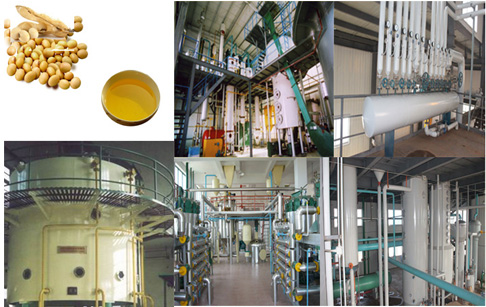
Hot pressing involves high - temperature processing. The high temperature breaks the emulsion in the raw materials, facilitating oil extraction. On average, hot pressing can achieve an oil extraction rate of about 85% - 90% for soybeans. However, the high temperature may also lead to some loss of nutrients in the oil. For example, the vitamin E content in hot - pressed soybean oil can be reduced by about 10% - 15% compared to cold - pressed oil.
Cold pressing, on the other hand, operates at lower temperatures. It focuses on preserving the natural flavor and nutrients of the raw materials. Cold - pressed oils are often considered healthier and more flavorful. For instance, cold - pressed rapeseed oil retains up to 95% of its original nutrients, providing a more natural and healthy option for consumers.
When it comes to different raw materials, the choice between hot pressing and cold pressing should be based on the characteristics of the materials. For soybeans, hot pressing is commonly used due to its relatively high oil content and the need for efficient extraction. However, if the market demands high - quality, nutrient - rich soybean oil, cold pressing can also be a viable option.
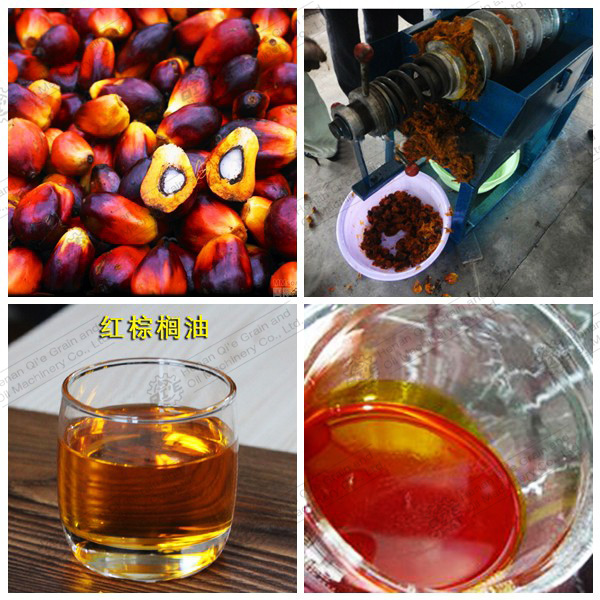
For rapeseeds, cold pressing is often preferred to preserve the unique flavor and nutrients. Rapeseed oil produced by cold pressing has a more delicate taste and is popular in high - end markets. According to market research, the demand for cold - pressed rapeseed oil has been growing at an annual rate of about 15% in recent years.
| Raw Material | Recommended Process | Reason |
|---|---|---|
| Soybeans | Hot Pressing (or Cold Pressing for high - end market) | High oil content, efficient extraction; cold pressing for nutrient preservation |
| Rapeseeds | Cold Pressing | Preserve flavor and nutrients |
To meet different market demands, it is crucial to balance yield, flavor, and nutrition. In some mass - market scenarios, hot pressing can ensure high yields, but for niche markets that value health and flavor, cold pressing is the better choice. By adjusting the pressing parameters and processes, manufacturers can achieve a balance between these factors.
In today's context, energy - saving and environmental protection are becoming increasingly important. In the vegetable oil pressing process, there are several energy - saving techniques. For example, pre - heating control can reduce energy consumption during the pressing process. By accurately controlling the pre - heating temperature, energy consumption can be reduced by about 10% - 15%. Additionally, waste heat recovery can reuse the heat generated during the process, further improving energy efficiency.

Let's look at some case studies. A certain vegetable oil processing factory initially used hot pressing for all its raw materials. However, due to increasing market competition and consumer demand for healthy oils, they introduced cold - pressing technology for rapeseeds. As a result, their market share in the high - end rapeseed oil market increased by 20% within a year. On the other hand, a factory that failed to adjust its process according to raw material characteristics faced problems such as low oil quality and high energy consumption.
The market for cold - pressed oils is growing rapidly. According to industry reports, the global cold - pressed oil market is expected to grow at a CAGR of 18% from 2023 to 2028. There are also some auxiliary tools available in the market, such as advanced oil quality testing equipment, which can help manufacturers better control the quality of their products.
If you want to learn more about vegetable oil press selection and process optimization, click here to download the Cold Pressing Process Practical Manual.