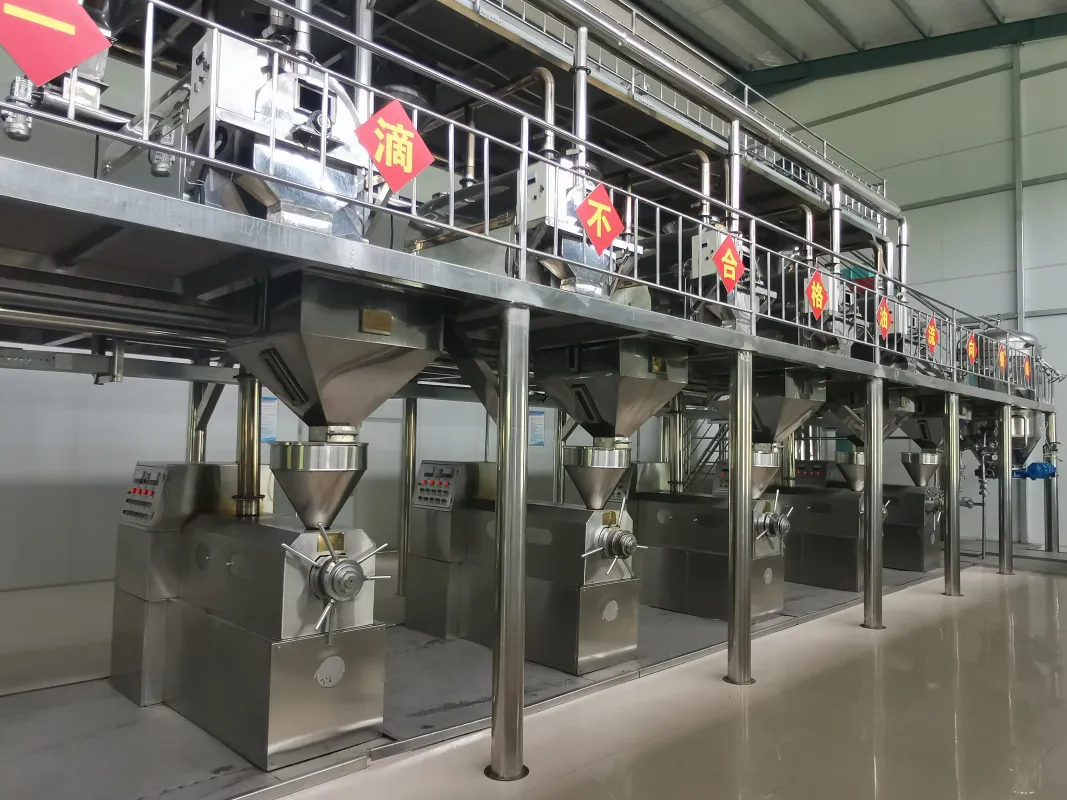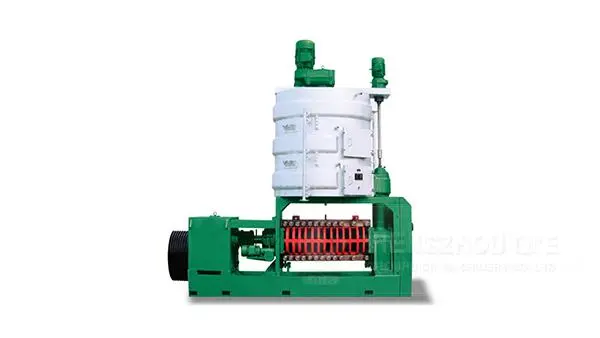
When it comes to extracting vegetable oil from raw materials like soybeans or rapeseed, choosing between hot-pressing and cold-pressing isn’t just a technical decision—it’s a strategic one that impacts yield, quality, cost, and market positioning.
| Feature | Hot-Pressing | Cold-Pressing |
|---|---|---|
| Temperature Range | 100–120°C | ≤ 40°C |
| Oil Yield (%) | ~95% (higher for bulk crops) | ~75–85% (lower but premium) |
| Nutrient Retention | Reduced (heat-sensitive compounds degraded) | High (preserves tocopherols, phytosterols) |
| Ideal For | Large-scale production, commodity markets | Premium oils, health-conscious consumers |
For instance, if your primary market is foodservice distributors or industrial users—where consistency and cost-efficiency matter most—hot-pressing makes sense. It typically delivers up to 95% oil recovery from soybeans, compared to about 78% for cold-pressed versions. But for brands targeting organic grocery chains or wellness-focused B2B clients in Europe or North America, cold-pressing offers a compelling edge: better flavor retention, higher antioxidant levels, and stronger alignment with clean-label trends.
“The choice isn’t binary—it’s about matching process to purpose.” — Dr. Lena Zhang, Food Process Engineer at AgriTech Solutions
Even within the same raw material, differences matter. Soybeans with moisture content above 10% are better suited for hot pressing because pre-heating improves oil flow and reduces mechanical stress on equipment. In contrast, rapeseed with low protein content (<5%) can be cold-pressed without risking gum formation—a common issue when proteins denature during heating.
Here’s how to optimize both processes:
One manufacturer in Brazil reported a 12% drop in electricity costs after implementing these practices—not just for cold-press lines, but even in their traditional hot-press units.

If you're exploring cold-pressing for the first time, avoid common pitfalls like inadequate drying before pressing or poor storage conditions post-extraction—which can lead to oxidation and off-flavors. A simple solution? Invest in nitrogen-inerted storage tanks and maintain oxygen levels below 0.5%.
The global shift toward healthier eating is accelerating demand for cold-pressed oils, especially in the EU and U.S., where consumer surveys show over 60% prefer “cold-pressed” labels—even if they don’t fully understand what it means. That’s why forward-thinking manufacturers are already investing in dual-line setups: one for high-volume commodity oils using hot-pressing, another for specialty products leveraging cold-pressing tech.
Download our free guide: "Cold-Pressing Best Practices for Global Exporters" – packed with real-world tips from engineers who’ve done it right.
Get the Free Guide →