
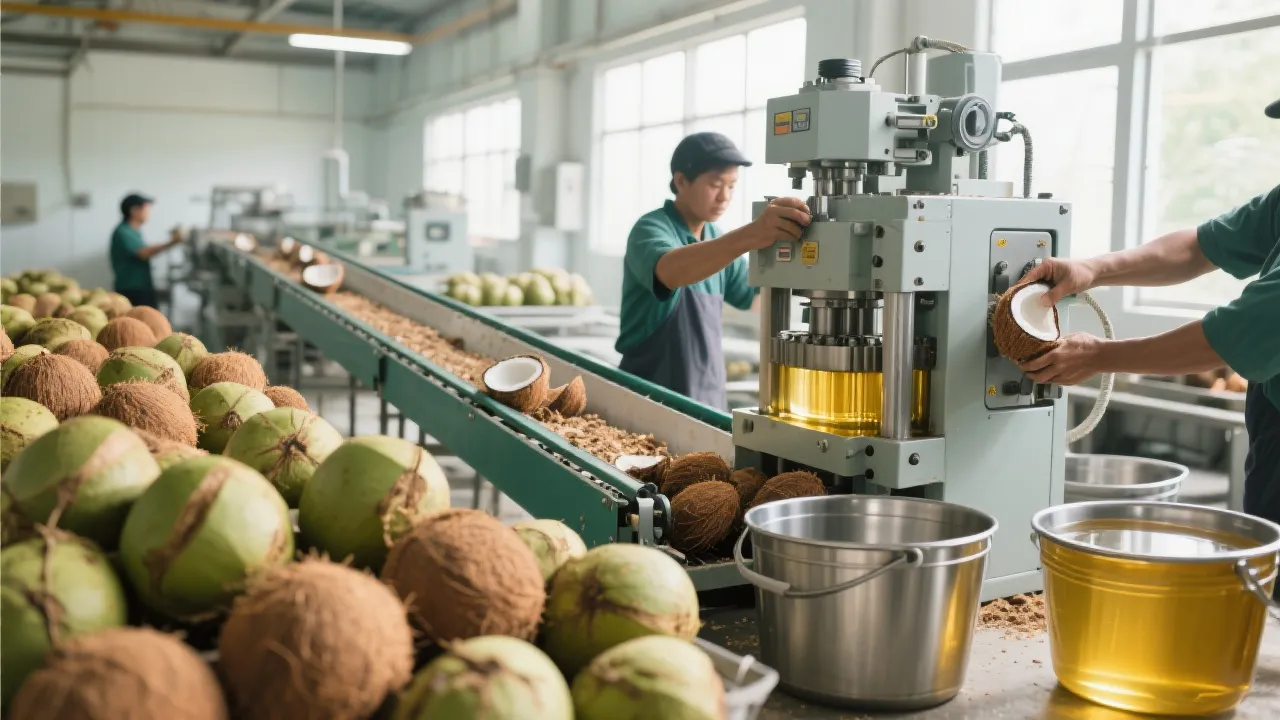
For food processors, oil refiners, and procurement managers in the global edible oils industry, selecting the right extraction method is more than a technical decision—it’s a strategic one that impacts yield, quality, shelf life, and even sustainability goals.
Hot pressing involves heating raw materials (like soybeans or rapeseed) to 100–120°C before pressing. This softens cell walls, increases oil flow, and boosts yield—typically by 10–15% compared to cold pressing. However, high temperatures degrade heat-sensitive nutrients like vitamin E and omega-3s.
In contrast, cold pressing operates below 40°C, preserving natural flavors, aromas, and nutritional profiles. While yields are lower—about 85–90% of hot-pressed oil—the resulting product commands premium pricing in health-conscious markets such as Europe and North America.
| Feature | Hot Pressing | Cold Pressing |
|---|---|---|
| Oil Yield (%) | ~90–95% | ~75–85% |
| Nutrient Retention | Moderate (some loss) | High (preserves polyphenols, tocopherols) |
| Flavor Profile | Neutral, less aromatic | Rich, distinct aroma (ideal for gourmet use) |
Real-world example: A European olive oil manufacturer saw a 22% increase in B2B orders after switching from hot-pressed sunflower oil to cold-pressed for their organic salad dressings—a move driven by consumer demand for clean-label ingredients.
Modern cold-press systems now offer energy savings up to 25% through optimized hydraulic pressure and smart temperature control. One case study from a Brazilian soybean processor showed reduced electricity consumption per ton of oil by 18% after upgrading to a dual-stage cold press system with automated pre-heating modulation.
Tip: Use residual heat recovery units to pre-warm incoming seeds—this can cut fuel costs by up to 12% without affecting oil quality.

Whether you're sourcing soybean oil for industrial frying or cold-pressed flaxseed oil for nutraceutical applications, understanding these differences isn't just academic—it's essential for competitive positioning.
Download our comprehensive “Plant Oil Pressing Selection Matrix”—with real data on over 20 crop types, including optimal moisture levels, press configurations, and energy benchmarks.
Get the Free Guide Now →


