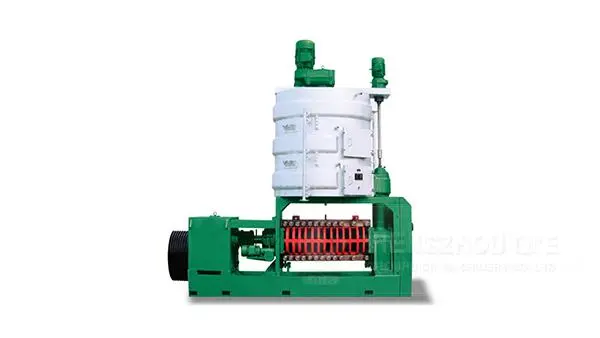
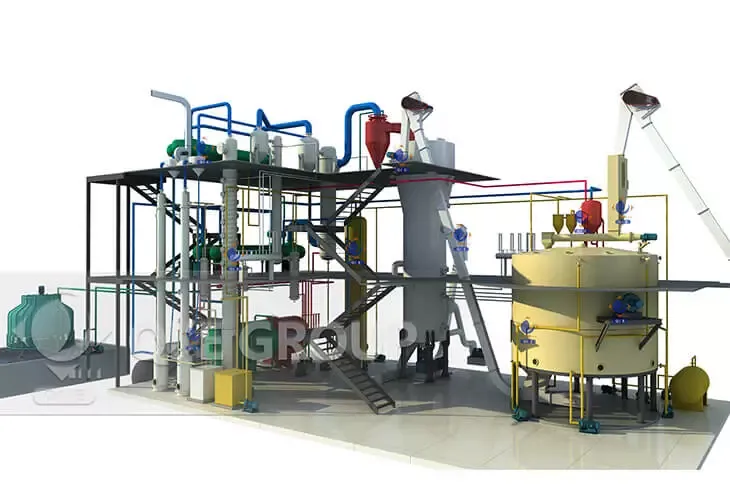
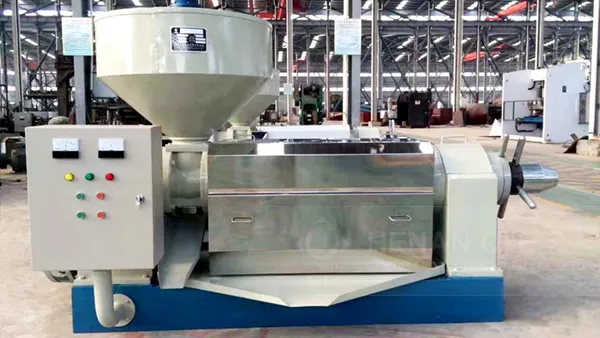
You're likely aware of the challenges in the oil processing industry, such as high energy consumption, low efficiency, and frequent equipment breakdowns. The multifunctional hydraulic press is here to address these pain - points. It features excellent structural stability, supports multiple processes including hot and cold pressing, and has significant energy - saving advantages. With ISO9001 certification, you can be confident in its quality.
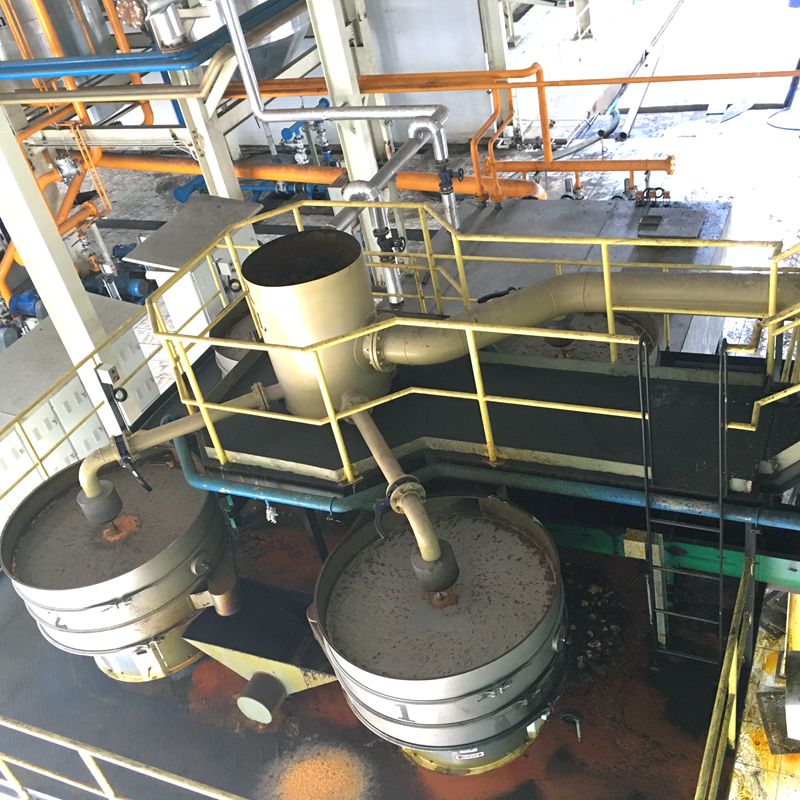
Before the installation of the hydraulic press, you need to make thorough preparations. First, ensure that the installation site has a flat surface. The recommended flatness error should be within ±5mm per square meter. The site should also have sufficient space for equipment operation and maintenance. A clearance of at least 1.5 meters around the equipment is advisable.
You should also check the power supply. The voltage should be stable, with a fluctuation range of no more than ±5%. The power capacity should meet the equipment's requirements, usually around 30 - 50 kilowatts for common multifunctional hydraulic presses.
The installation process starts with the foundation construction. Pour a concrete foundation according to the equipment's base dimensions. After the foundation has cured for about 7 - 10 days, you can start to hoist the press onto the foundation. Use high - strength bolts to fix the press firmly, with a tightening torque of 200 - 300 N·m.
Next, connect the hydraulic pipelines. Make sure the pipelines are clean and free of debris. Check for any leaks after the connection. The connection should be tight, and the sealing performance should be tested with a pressure of 1.5 times the normal working pressure for 30 minutes without any visible leakage.
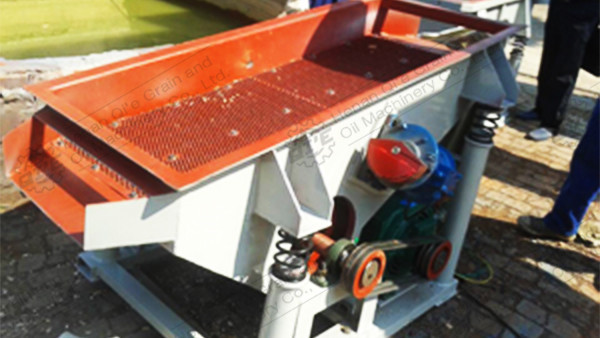
During the commissioning process, first, conduct a no - load test. Run the press for about 1 - 2 hours without any raw materials. Check the operation of the motor, hydraulic system, and control system. Observe the pressure gauge readings and ensure they are within the normal range (usually 10 - 20 MPa for the main hydraulic system).
If you encounter problems such as abnormal noise or unstable pressure, here are some common troubleshooting methods. For abnormal noise, check if there are any loose parts or if the hydraulic oil level is too low. For unstable pressure, check for pipeline blockages or valve malfunctions.
Proper operation training is essential for the efficient use of the hydraulic press. Our professional technicians can provide on - site training, which usually takes about 2 - 3 days. The training covers equipment operation, safety precautions, and basic troubleshooting.
Routine maintenance is also crucial to extend the service life of the equipment. You should change the hydraulic oil every 6 - 12 months, depending on the usage frequency. Clean the filters regularly, at least once a month. Check the wear of key components such as pistons and seals every 3 - 6 months.
Many oil mills have benefited from using our multifunctional hydraulic presses. For example, a medium - sized oil mill increased its production efficiency by 30% after installing our press. The energy consumption was reduced by 20%, and the downtime was decreased by 50%.
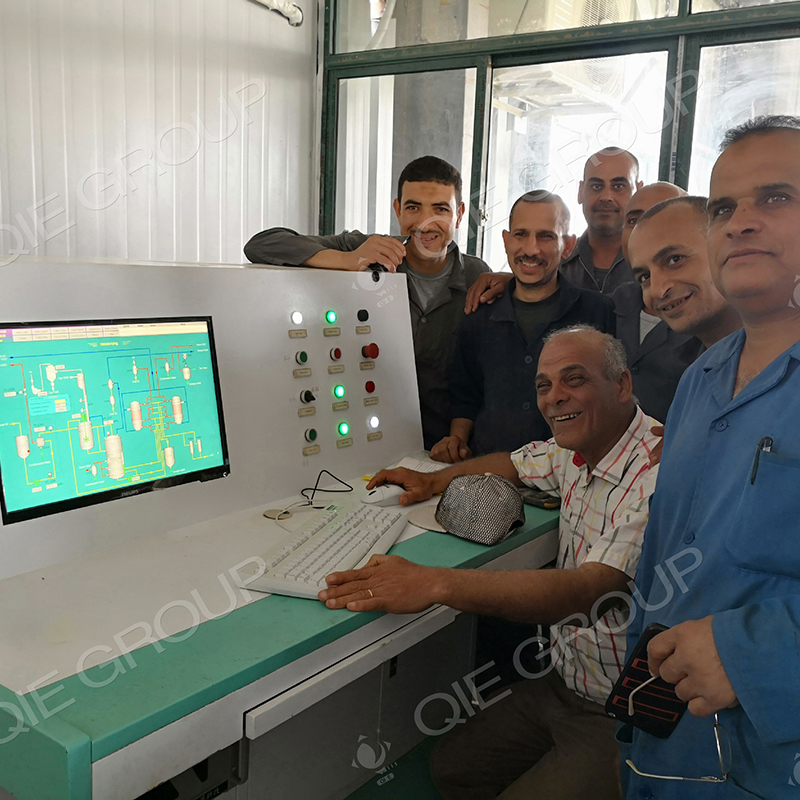
We offer comprehensive after - sales support. Our technical support team is available 24/7. We also provide regular equipment inspections and maintenance services. Many of our customers have given positive feedback, stating that our equipment has helped them improve their overall processing efficiency and reduce costs.
Ready to transform your oil production with our multifunctional hydraulic press? Click here to learn more and get the complete PDF manual!
.jpg?x-oss-process=image/resize,h_800,m_lfit/format,webp)