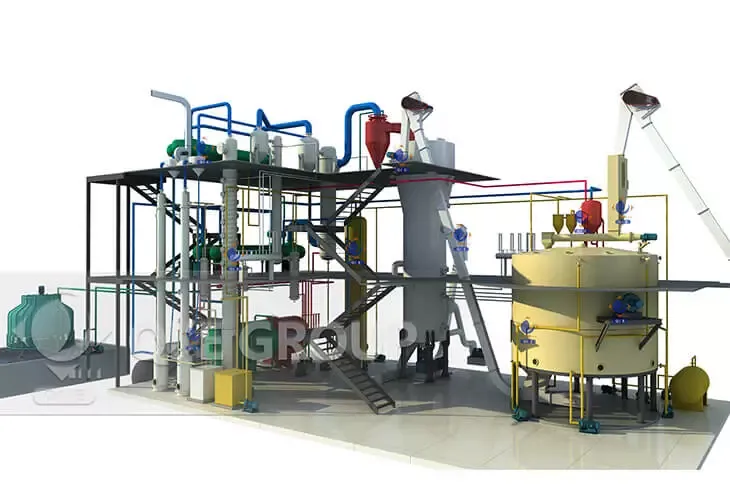
Palm fruit oil and palm kernel oil, though originating from the same palm tree, have distinct raw material characteristics and end - product uses. Palm fruit oil is extracted from the mesocarp of the palm fruit. It is a versatile oil, widely used in the food industry for frying, baking, and as an ingredient in margarine and shortening. In addition, it also has applications in the cosmetic and biofuel industries. On the other hand, palm kernel oil is obtained from the kernel of the palm fruit. It has a higher melting point and is often used in the production of soaps, detergents, and confectionery due to its unique chemical properties.
In the crushing process, the requirements for palm fruit and palm kernel are different. For palm fruit, the crushing aims to break the outer shell and release the pulp. The moisture content of the palm fruit during crushing is typically around 20 - 30%. In contrast, palm kernels need a more precise crushing process to ensure the integrity of the kernel for subsequent extraction. The moisture content of palm kernels during crushing is usually controlled at about 8 - 12%.
Cooking is a crucial step in oil extraction. Palm fruit requires cooking at a temperature of about 100 - 110°C for 60 - 90 minutes to facilitate oil separation. This process helps to soften the pulp and break down the cell structure. For palm kernels, the cooking temperature is higher, around 120 - 130°C, and the time is about 30 - 60 minutes, which is mainly to denature the proteins and make the oil easier to extract.
When it comes to pressing, the pressure settings for palm fruit and palm kernel are significantly different. For palm fruit, a pressure of about 2 - 3 MPa is usually sufficient to extract the oil. However, palm kernels require a much higher pressure, around 5 - 7 MPa, due to their harder structure. The energy consumption for pressing palm fruit is approximately 15 - 20 KWH/ton of oil, while for palm kernels, it is about 22 - 25 KWH/ton of oil.
In the leaching process, the choice of solvents and the recovery efficiency are key factors. For palm fruit oil leaching, hexane is commonly used as a solvent, and the solvent recovery efficiency can reach about 95 - 98%. For palm kernel oil, a different solvent system may be used, and the solvent recovery efficiency is around 90 - 93%.
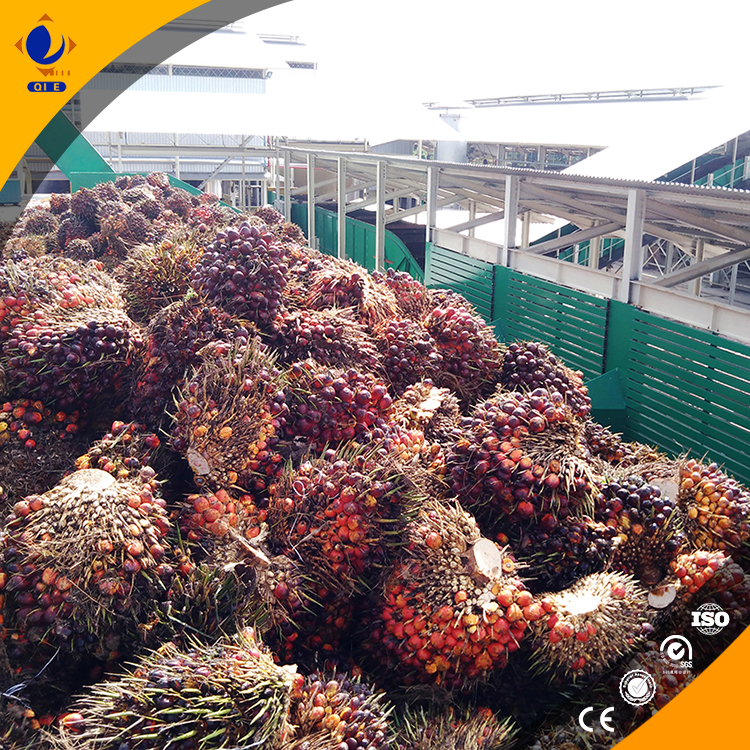
The configuration of key equipment also varies between palm fruit oil and palm kernel oil production lines. For example, the motor power of the press for palm fruit is generally around 50 - 70 KW, while for palm kernels, it needs to be 80 - 100 KW to meet the high - pressure requirements. The material of the pressure vessel for palm fruit oil production can be ordinary carbon steel, but for palm kernel oil, stainless steel is often used to prevent corrosion and ensure product quality. Different types of pumps are also used in the two production lines, with centrifugal pumps commonly used for palm fruit oil and gear pumps for palm kernel oil due to their different flow and pressure requirements.
There have been many cases where misjudgment in equipment selection has led to serious consequences. For instance, a company that chose a palm fruit oil production line for palm kernel oil production found that the impurity content in the oil exceeded the standard because the equipment was not suitable for the hard structure of palm kernels. Another case involved a company that over - invested in a high - capacity palm fruit oil production line but had a limited supply of raw materials, resulting in a significant waste of production capacity. These cases highlight the importance of accurate equipment selection.
When choosing between a palm fruit oil production line and a palm kernel oil production line, several factors need to be considered. First, the characteristics of the raw materials, such as the moisture content, hardness, and oil content, are crucial. Second, the target market demand, including the quality requirements and the price sensitivity of the products, should be taken into account. Finally, the production capacity needs to match the scale of the business. Based on these factors, a decision - making framework can be established to help businesses make more informed choices.
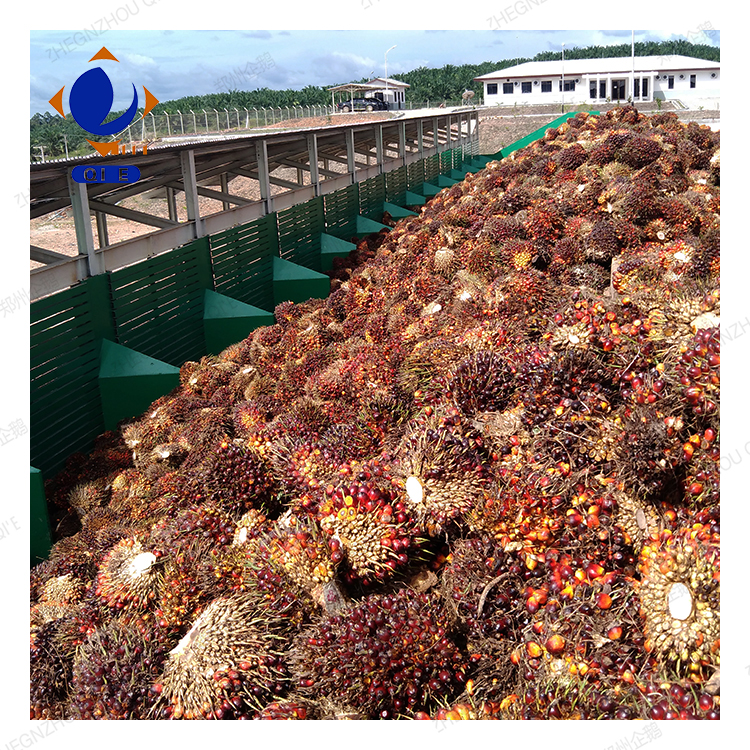
One common misunderstanding is that people often assume that the production processes of palm fruit oil and palm kernel oil are similar. In fact, as we have discussed above, there are significant differences in both process parameters and equipment requirements. To avoid such misunderstandings, businesses should conduct in - depth research and consult with industry experts before making decisions. Another misunderstanding is that some companies focus too much on the initial investment cost and ignore the long - term operating costs and product quality. Therefore, a comprehensive cost - benefit analysis is necessary.
So, which production line is suitable for your raw materials? If you are still unsure, don't worry. Click here to learn the technical details of the fully automatic palm kernel oil production line and make a more informed decision.