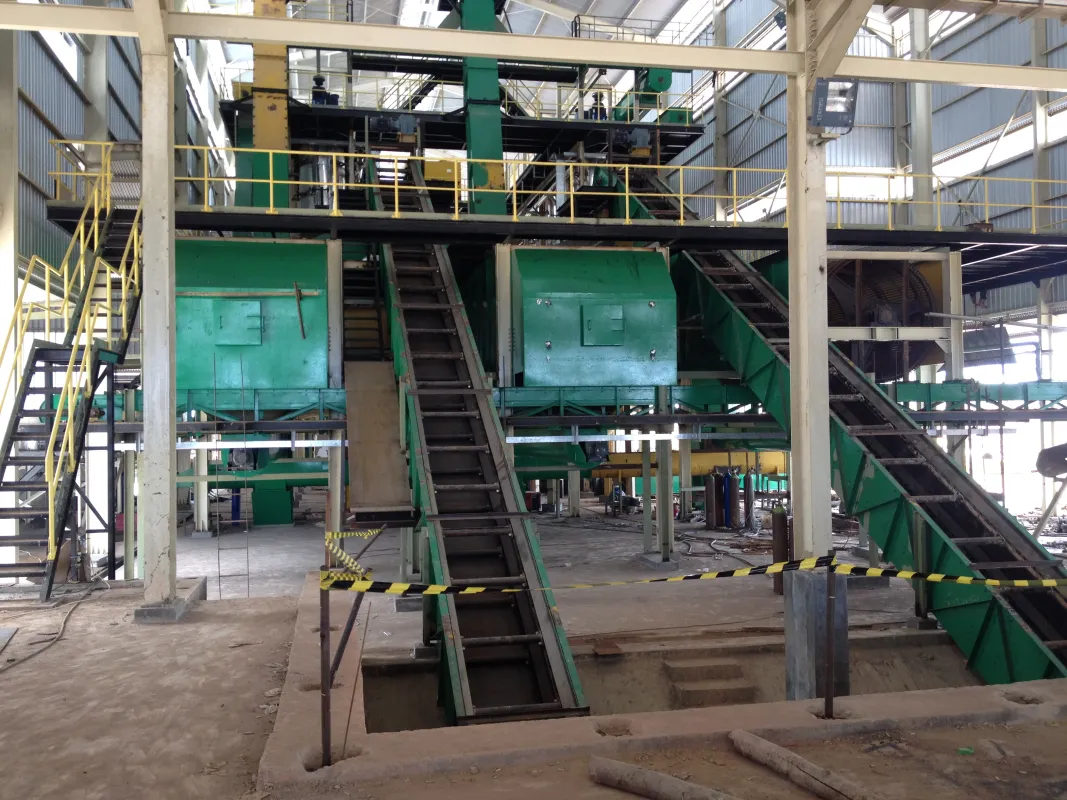
As a decision-maker or procurement manager in the palm oil industry, you're likely faced with the crucial task of choosing between a palm fruit oil production line and a palm kernel oil production line. This decision can significantly impact your business's efficiency, product quality, and overall profitability. In this comprehensive guide, we'll delve into the key differences between these two production lines, explore the technical parameters that affect equipment configuration, and provide practical advice to help you make an informed investment decision.
Palm fruit and palm kernels, although from the same source, have distinct characteristics that influence the production process and the final product. Palm fruit contains a high proportion of pulp, which is rich in palm fruit oil. This oil is widely used in the food industry, for cooking, frying, and as an ingredient in various food products. On the other hand, palm kernels are the seeds of the palm fruit, and they yield palm kernel oil, which has a different fatty acid composition and is often used in the production of cosmetics, soaps, and detergents.
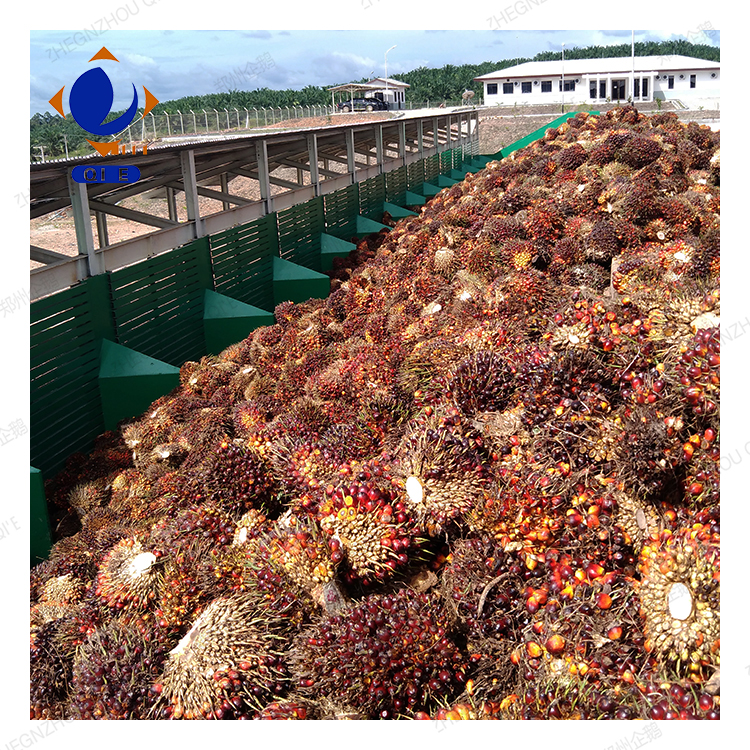
Understanding these differences is crucial when selecting the appropriate production line. Your choice should align with your target market and the specific applications of the oil you plan to produce.
Each stage of the palm oil production process, including crushing, cooking, pressing, and extraction, has specific technical requirements that determine the design and configuration of the equipment. Let's take a closer look at how these parameters affect the equipment structure:
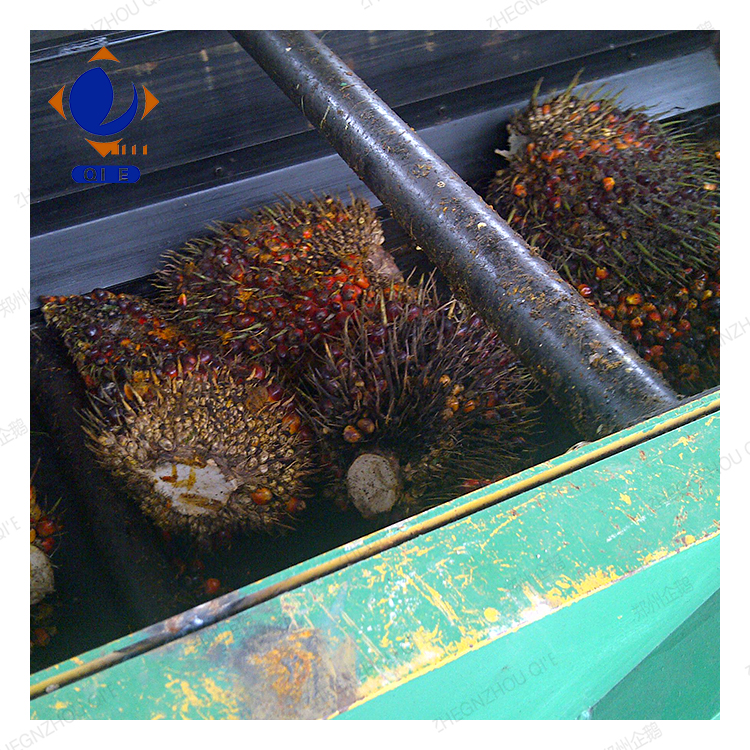
The crushing process is the first step in palm oil production. It involves breaking down the palm fruit or kernels into smaller pieces to facilitate subsequent processing. The size and shape of the crushed material can affect the efficiency of the cooking and pressing processes. For example, a finer crush can increase the surface area available for oil extraction, but it may also require more energy and result in higher wear and tear on the equipment.
Cooking is a critical step that helps to release the oil from the palm fruit or kernels. The cooking temperature and time are key parameters that need to be carefully controlled. Overcooking can lead to the degradation of the oil quality, while undercooking may result in incomplete oil extraction. The equipment used for cooking should be able to maintain a consistent temperature and provide uniform heating to ensure optimal results.
Pressing is the process of extracting the oil from the crushed and cooked material. The pressure applied during pressing is a crucial factor that affects the oil yield and quality. Different types of presses, such as screw presses and hydraulic presses, have different pressure capabilities and operating characteristics. The choice of press depends on the type of raw material, the desired oil yield, and the production capacity.
Extraction is used to recover the remaining oil from the pressed cake. Solvent extraction is a common method used in the palm oil industry. The efficiency of solvent extraction depends on factors such as the type of solvent used, the extraction time, and the temperature. The equipment used for extraction should be designed to minimize solvent losses and ensure high extraction efficiency.
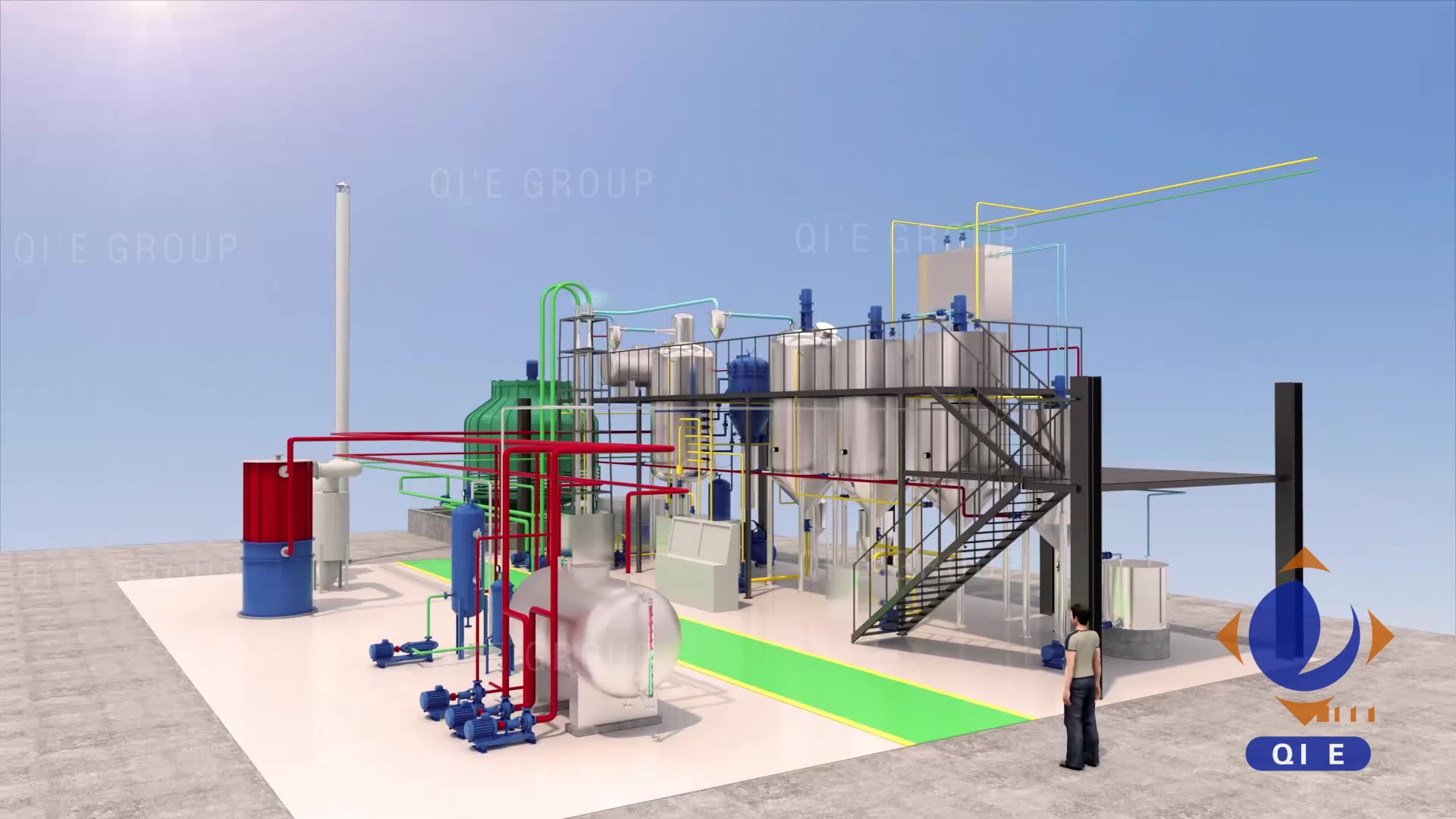
To illustrate the importance of these parameters, let's consider some specific examples. For instance, in a typical palm fruit oil production line, the screw press may require a pressure of 30-50 bar to achieve an oil yield of 90-95%. In a palm kernel oil production line, the solvent extraction process may have an efficiency of 95-98%, with a solvent recovery rate of 90-95%.
There are several different configurations available for palm oil production lines, each with its own advantages and disadvantages. Here, we'll compare two typical configurations: a high-capacity palm fruit oil production line and a high-quality palm kernel oil production line.
| Parameter | Palm Fruit Oil Production Line | Palm Kernel Oil Production Line |
|---|---|---|
| Screw Press Torque | High (300-500 Nm) | Medium (150-300 Nm) |
| Moisture Control | 10-12% | 8-10% |
| Energy Consumption | 22 KWH/ton oil | 25 KWH/ton oil |
As you can see from the table, the palm fruit oil production line typically requires a higher screw press torque and a slightly higher moisture content. This is because palm fruit has a higher pulp content and is more difficult to press. The palm kernel oil production line, on the other hand, requires a lower torque and a lower moisture content to ensure high-quality oil extraction.
When selecting a palm oil production line, there are several common mistakes that you should avoid. Here are some of the most common pitfalls and practical tips to help you make the right decision:
The degumming process is an important step in palm oil refining that helps to remove impurities and improve the quality of the oil. Ignoring this step can lead to high levels of impurities in the final product, which can affect its marketability. Make sure to choose a production line that includes a degumming process and ensure that it is properly configured and operated.
It's important to accurately assess your production needs and choose a production line that can meet your requirements. Overestimating your production capacity can result in underutilized equipment and higher costs. On the other hand, underestimating your production capacity can lead to production bottlenecks and missed opportunities.
Regular equipment maintenance is essential to ensure the smooth operation and longevity of your production line. Neglecting maintenance can lead to breakdowns, reduced productivity, and increased costs. Make sure to establish a regular maintenance schedule and follow it diligently.
By being aware of these common pitfalls and taking the necessary precautions, you can avoid costly mistakes and ensure the success of your palm oil production business.
The choice of production line depends on your specific business goals and requirements. Here are some general recommendations based on different business directions:
If your goal is to produce a large volume of palm oil, a high-capacity palm fruit oil production line may be the best choice. This type of production line is designed to handle a large amount of raw material and can achieve high production rates. It typically includes a series of crushers, cookers, presses, and extractors, as well as a sophisticated control system to ensure efficient operation.
If you're focused on producing high-quality palm kernel oil for the cosmetic or soap industry, a palm kernel oil production line with advanced refining capabilities may be more suitable. This type of production line typically includes additional refining steps, such as degumming, deodorization, and bleaching, to ensure the highest quality oil.
If you want to produce both palm fruit oil and palm kernel oil, you may consider a production line that can handle both types of raw materials. This type of production line typically includes a flexible design that allows for easy switching between different production processes.
Your raw materials play a crucial role in determining the most suitable production line. Analyze the characteristics of your palm fruit and palm kernels, such as their oil content, moisture level, and size, to make an informed decision. If you're still unsure which production line is right for you, don't hesitate to seek professional advice.
Ready to take your palm oil production to the next level? Click to learn more about the technical details of our fully automatic palm kernel oil production line.