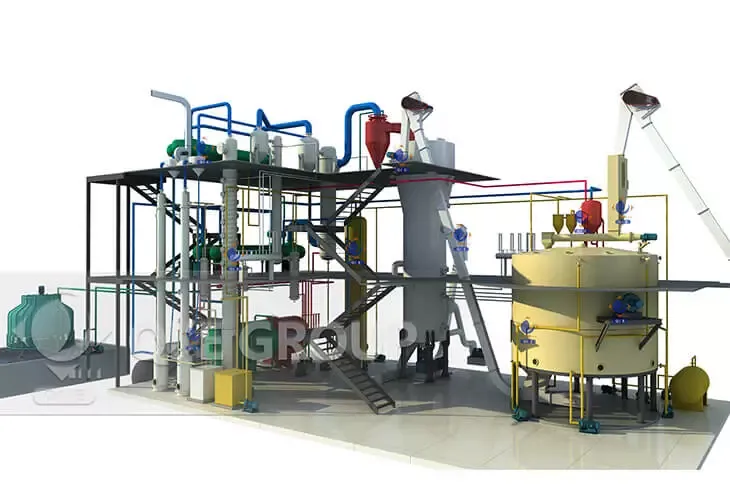
Palm Oil Mill vs Palm Kernel Oil Line: How Raw Material Properties Drive Equipment and Process Parameters
Palm fruit oil and palm kernel oil come from the same crop, but their feedstock behavior, processing targets, and end-use quality demands are fundamentally different—so you cannot safely “share” one production line for both. If you choose the wrong setup, you risk lower yield, higher energy consumption (often around 22 kWh per ton of oil as a reference), out-of-spec impurities, and even premature wear on presses and solvent-recovery units. This article helps you decide by comparing the full route from crushing to extraction, focusing on the parameters that actually change your results: moisture conditioning, digestion/steam-cooking profiles, screw press pressure settings, clarification/degumming requirements, and solvent recovery efficiency. You’ll also see common misjudgment cases and a clear selection checklist so you can match your business direction—high-throughput, stable palm fruit oil milling, or quality-driven palm kernel oil extraction and refining readiness. Ask yourself: which raw material are you processing most, and what specification do you need to hit? For a tailored configuration, click to explore the fully automated palm kernel oil line technical details.
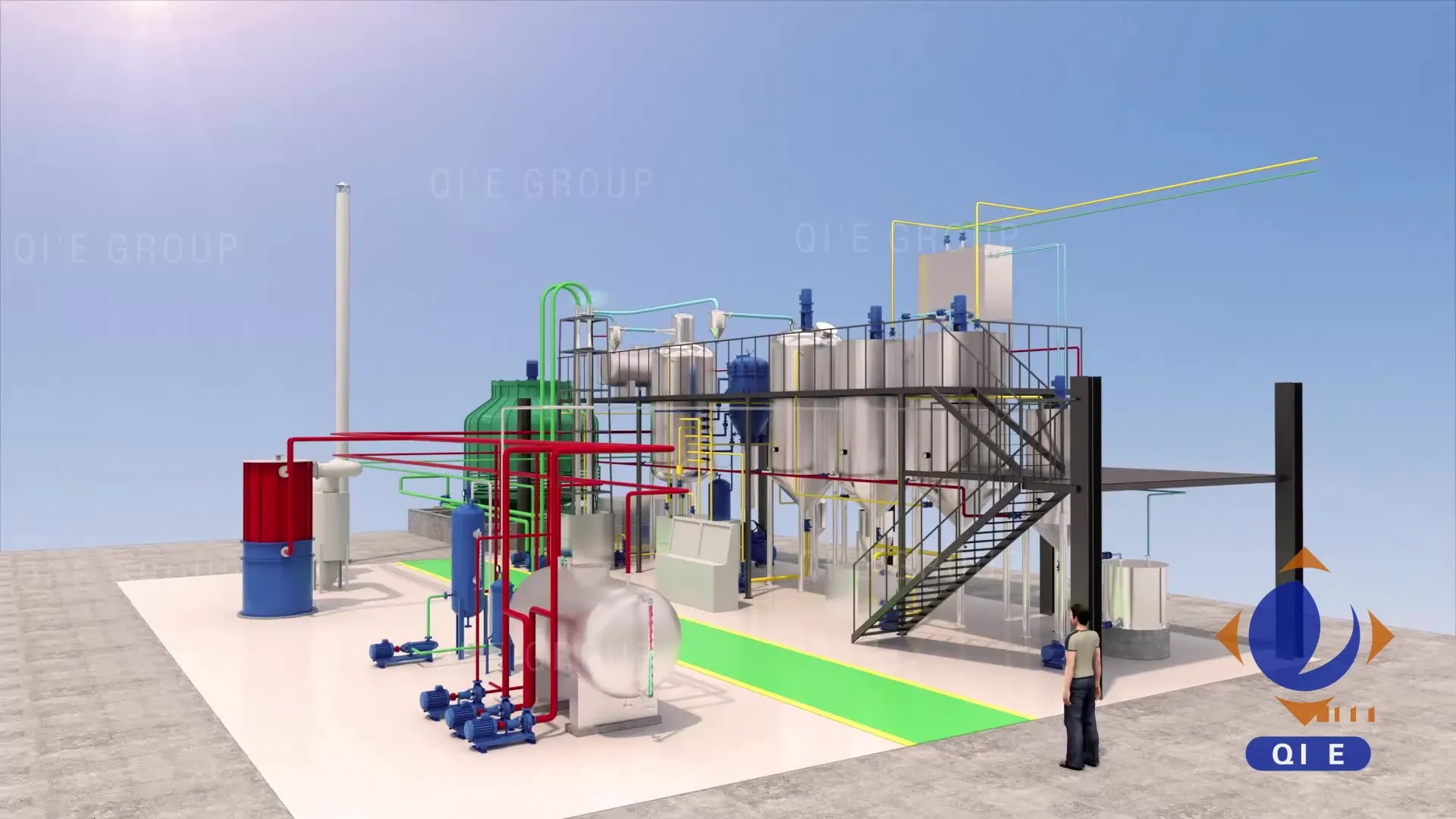
Palm Fruit Oil Line vs Palm Kernel Oil Line: Your Raw Material Decides the Machine
If you’re comparing a palm fruit oil production line with a palm kernel oil extraction line, don’t start with catalog photos or “same capacity” claims. Start with your feedstock behavior—fiber vs shell, moisture vs brittleness, free fatty acids vs lauric profile. Those properties dictate the correct press design, cooking parameters, solvent extraction configuration, and even solvent recovery efficiency.
Before you read further, ask yourself: Are you processing whole fresh fruit bunches (FFB) / mesocarp—or cracked kernels? If you’re not 100% sure, you’re already at risk of choosing the wrong line.
1) Raw Material Differences That Change Everything
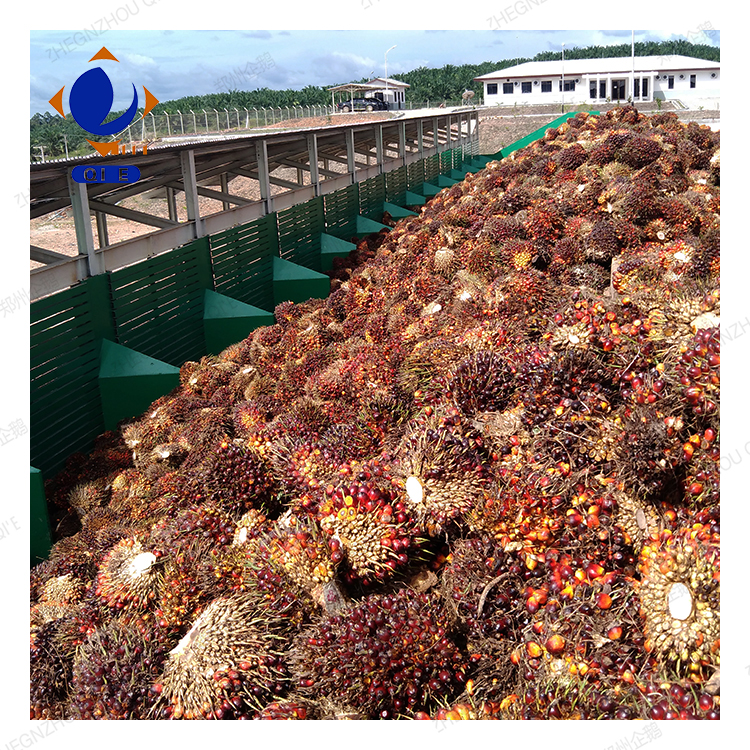
Palm fruit oil (commonly crude palm oil, CPO) comes mainly from the mesocarp. It is high in carotenoids and tends to carry more moisture and impurities (water/solids) if handling is not tight. Palm kernel oil (PKO) comes from the kernel inside a hard shell—mechanically it behaves like a hard, brittle oilseed.
| Decision Factor |
Palm Fruit Oil Line (Mesocarp/CPO) |
Palm Kernel Oil Line (Kernel/PKO) |
| Material structure |
Fibrous, oily pulp; more sludge risk |
Hard granular kernels; shell fragments possible |
| Key quality risk |
FFA rise if sterilization & handling are slow |
Wear, metal contamination, fine meal in oil |
| Typical conditioning |
Sterilize/cook to loosen oil & deactivate enzymes |
Crack, grind/flaking, controlled moisture for pressing |
| Why lines can’t be mixed |
Fiber + water load demands robust clarification and sludge handling |
Hard solids demand heavy-duty press & different extractor/DTDC behavior |
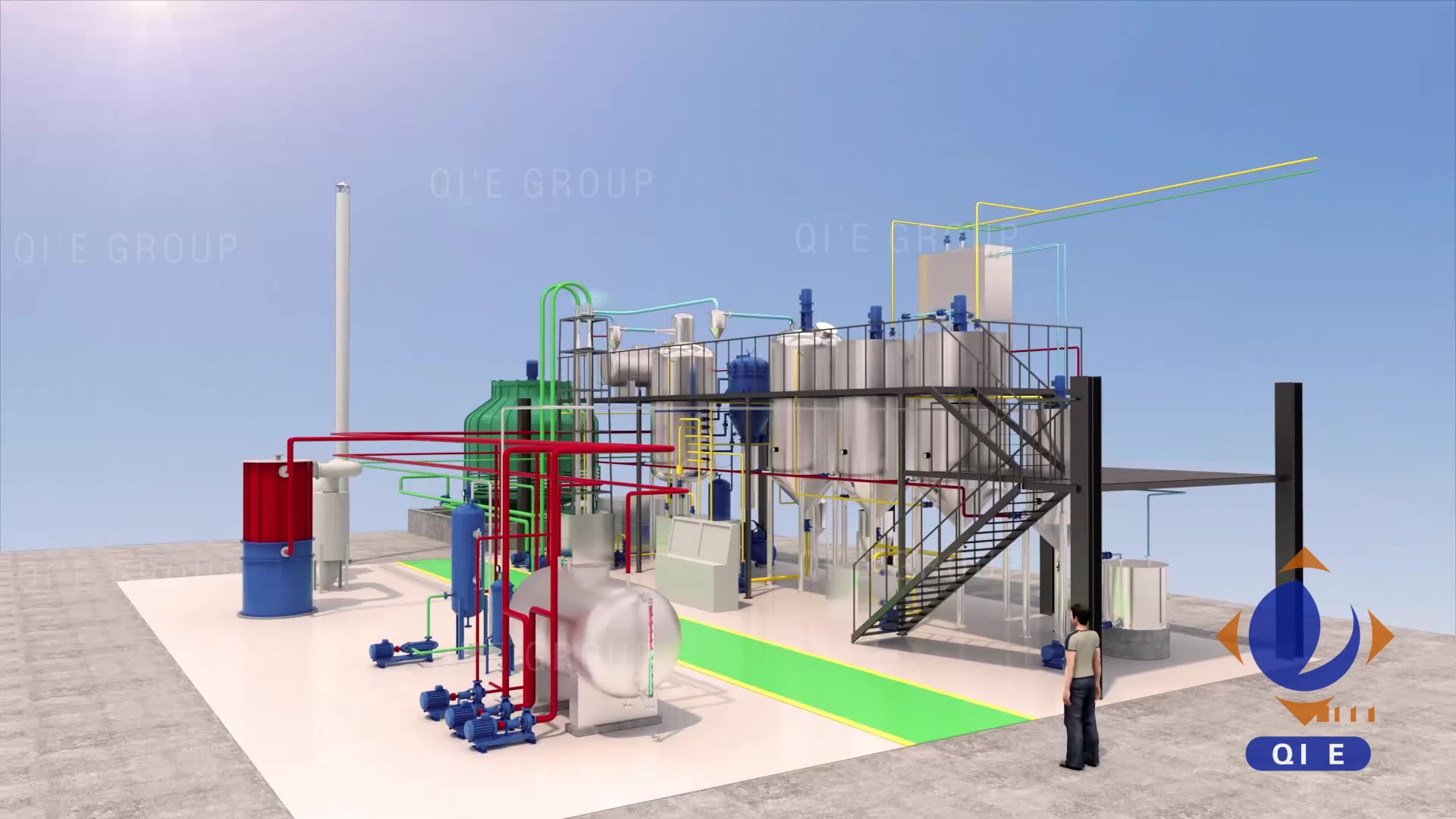
2) Process Breakdown: Crushing → Cooking → Pressing → Extraction (Key Parameters Compared)
When suppliers say “our line can do both,” they often gloss over parameters that decide your yield, energy bill, and downtime. Below are practical ranges you can use to check whether a proposed solution is technically aligned with your feedstock and product target.
A) Crushing / Size Reduction
For kernel processing, you typically need cracking + separation and then grinding to a consistent particle size. Too coarse and oil remains locked; too fine and you increase fines in oil and overload filtration. For fruit/mesocarp, mechanical digestion aims to tear fibers and release oil without turning it into an emulsion nightmare in clarification.
Field check: if your “kernel line” proposal doesn’t specify shell removal efficiency and magnetic/metal protection points, you’re likely looking at avoidable press wear and unplanned stoppages.
B) Cooking / Conditioning (Moisture & Temperature Control)
In palm fruit oil processing, sterilization/cooking is not optional—it protects quality by slowing lipase activity and improves oil release. Typical conditioning temperatures are often in the 90–105°C range before pressing, with a strong emphasis on time-to-process to control FFA rise.
For palm kernel oil, the goal shifts: you’re conditioning a hard seed matrix so it presses cleanly. Many kernel lines target a kernel moisture window around 3%–6% before pressing (too dry increases meal powder and wear; too wet reduces pressing efficiency and pushes impurities into oil).
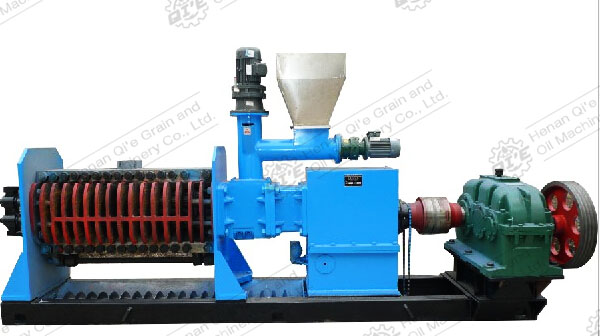
C) Screw Pressing (The “Wrong Press” Is a Hidden Cost)
In a palm fruit oil line, the press is dealing with fiber, residual water, and high-oil pulp. In a kernel oil line, the press faces abrasive solids and requires different cage design, screw geometry, and wear protection.
| Press Parameter |
Palm Fruit Oil (CPO) |
Palm Kernel Oil (PKO) |
| Pressing behavior |
More “pulp squeezing” + emulsions risk |
Hard seed compression; high wear points |
| Typical outlet cake oil |
Higher if digestion/clarification not optimized |
Can be reduced with correct flaking + press setup |
| Pressure setting mindset |
Balance yield with sludge/clarification load |
Maximize oil release without excessive fines or overheating |
| Energy reference |
Commonly 18–28 kWh/ton oil (integrated line, excluding boilers) |
Often 22–35 kWh/ton oil depending on cracking/grinding + extraction depth |
If a supplier promises “same screw press works for mesocarp and kernels” without discussing cage slot design, screw flight hardfacing, and fines control, treat it as a warning sign.
D) Solvent Extraction & Solvent Recovery Efficiency
Extraction “from press cake” sounds similar, but the substrate isn’t. Kernel cake is typically more uniform and suitable for controlled percolation, while fruit fiber cake can behave differently, affecting bed permeability and miscella clarity.
A well-designed solvent system (extractor + desolventizer-toaster + condenser + recovery) is judged by safety and recovery, not only yield. In many commercial setups, you may see solvent recovery efficiency around 97.5%–99.2% when condensers, vacuum, and heat integration are correctly sized. Under-sized recovery shows up as higher make-up solvent, odor complaints, and unstable extractor vacuum.
Quick self-check: Do you have stable power and steam? If your site has frequent voltage drops or limited boiler capacity, you’ll want a solvent recovery design that’s more forgiving on heat balance, even if initial throughput is slightly lower.
E) Degumming / Clarification: Same Word, Different Reality
In palm fruit oil processing, you’re fighting a water/solids load—settling tanks, centrifuges, and sludge handling become core production equipment. In palm kernel oil processing, crude oil can still contain phospholipids and fine solids, but the workflow is often optimized for clean pressing + tight filtration to protect downstream refining steps.
The “cannot mix lines” conclusion is practical: the wrong front-end creates problems the back-end cannot economically fix.
3) Equipment Matching Logic: What Changes in Structure (Not Just Capacity)
You’re not really choosing “a line.” You’re choosing a mechanical philosophy that fits your raw material. Here are the structural differences that most strongly affect performance:
Press & Wear Protection
Kernel lines typically demand more wear-resistant screw flights, hardfacing, and robust bearings because abrasive solids and occasional shell fragments are unavoidable. If you under-spec this, you’ll feel it in spare parts consumption and decreasing oil yield over time.
Clarification / Sludge Handling vs Filtration Priority
Fruit oil lines lean heavily on continuous clarification (settling + centrifuge) and sludge systems. Kernel oil lines tend to win by front-end cleanliness and better-controlled meal, which reduces downstream gum/impurity burden.
Extractor & DTDC Tuning
“Extractor size” is not enough. Bed depth, percolation behavior, and the DTDC residence time should match your cake characteristics. A mismatch can lead to higher residual oil in meal or unstable miscella concentration, which then impacts evaporation load and solvent recovery.
4) Pitfalls You Can Avoid: Real-World Misjudgments & A Better Standard
Common Misjudgment #1: “Kernels are just another oilseed—any press will do.”
What usually happens: press current climbs, temperature spikes, fines increase, and oil comes out darker with more suspended solids. Then you spend money on extra filtration—and still lose yield in cake because the mechanical condition is wrong.
Professional standard: demand a clear statement of kernel preparation method (cracking/separation/grinding or flaking), plus the wear package and expected maintenance interval based on your kernel cleanliness.
Common Misjudgment #2: “If we add solvent extraction, the front-end doesn’t matter.”
Extraction helps, but it doesn’t erase problems like emulsified oil, excessive water load, or unstable cake porosity. Those issues show up downstream as higher steam demand, weaker vacuum stability, and lower solvent recovery efficiency.
Professional standard: request a heat-and-mass balance with your local utilities in mind (steam pressure, cooling water temp, electricity stability) and a target recovery of ≥98% as a baseline.
A Simple “Correct Line” Checklist You Can Use Today
- Your raw material: mesocarp/FFB workflow or cracked kernels workflow—clearly defined.
- Moisture control point: where it’s measured, what range is targeted, and how it’s stabilized.
- Press configuration: screw/cage design rationale and wear protection (not just “heavy-duty”).
- Oil cleanliness target: expected solids/moisture management method (clarification vs filtration).
- Utilities fit: kWh/ton oil reference and steam/cooling requirements aligned with your site.
5) Tailored Recommendation: Match Capacity Targets and Power Conditions
If you’re in the awareness stage, you don’t need a 60-page proposal—you need a configuration direction that won’t trap you later. Use the scenarios below to orient your decision, then validate with your actual material test and utility limits.
If you prioritize high-throughput stability (typical for palm fruit oil/CPO)
You’ll want robust digestion + pressing and a clarification system sized for real sludge load. In many installations, electricity for the mechanical sections often lands around 18–28 kWh per ton of oil (excluding steam generation), but the real KPI is stable separation with minimal oil loss in sludge.
If you prioritize refining-friendly quality (typical for palm kernel oil/PKO)
You’ll win by controlling kernel prep, reducing fines, and selecting the right press + filtration path. For deeper recovery, a properly tuned extractor/DTDC and recovery section often makes the difference between “acceptable” and “commercially optimal,” especially when your power supply is limited or fluctuating.
One question that prevents costly rework
Are you planning to run mixed feedstock seasonally (some fruit/mesocarp, some kernels), or is your supply single-source and consistent? If it’s mixed, your engineering should plan for switching losses and separate critical modules—rather than forcing one line to do two incompatible jobs.
Want a Faster, Safer Decision?
If you tell us your raw material (fruit/mesocarp or kernels), target capacity, and local power/steam limits, you can get a line concept that matches your process parameters—without overspending on the wrong modules.


.jpg?x-oss-process=image/resize,h_800,m_lfit/format,webp)