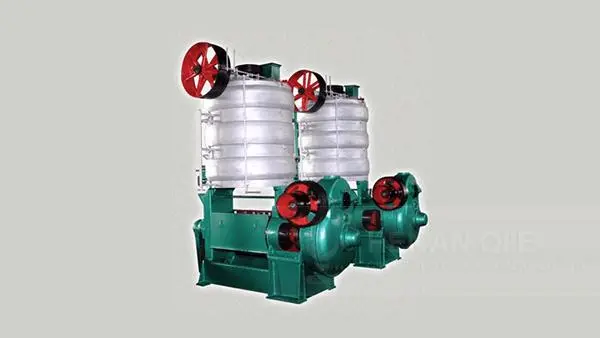
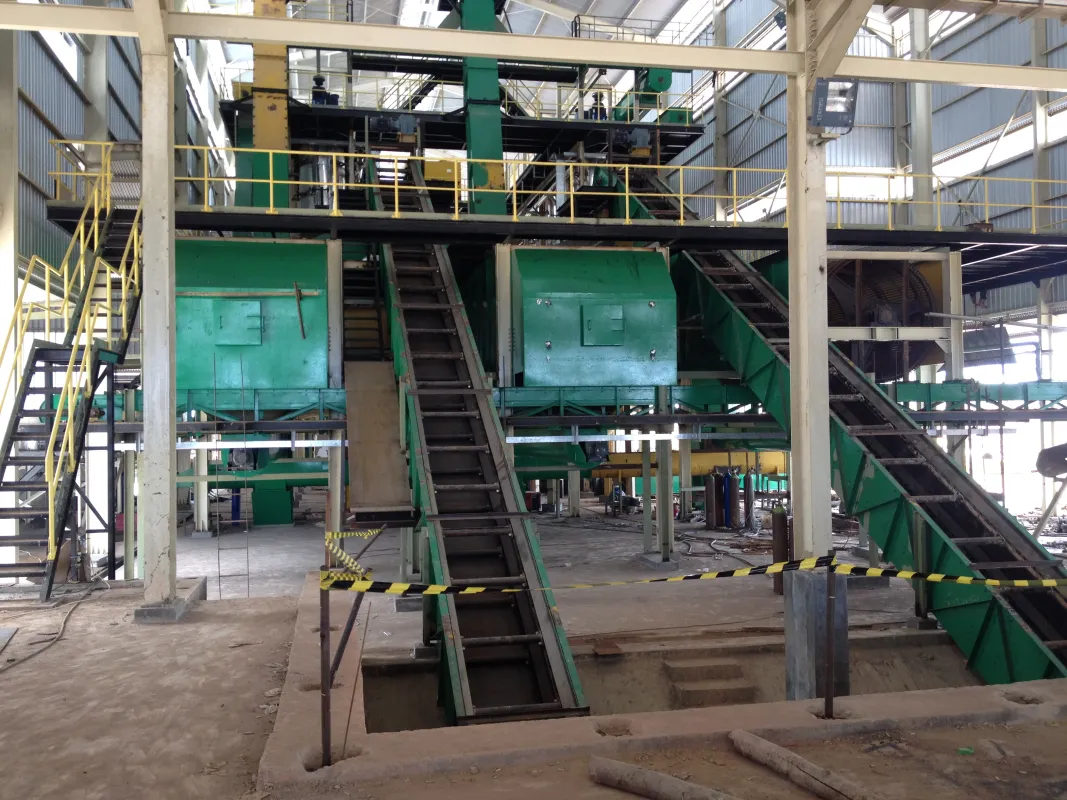
Energy conservation in palm oil pressing equipment involves a series of advanced technologies. The heat recovery system is a key component. By recycling the waste heat generated during the pressing process, it can significantly reduce the energy input required for subsequent processes. For example, the waste heat can be used for pre - heating raw materials, which not only saves energy but also improves the efficiency of the entire production line. The energy - efficiency standard of the motor also plays a crucial role. High - efficiency motors can convert electrical energy into mechanical energy more effectively, reducing power consumption. For instance, compared with traditional motors, low - energy - consumption motors can reduce energy consumption by about 15% - 20%.
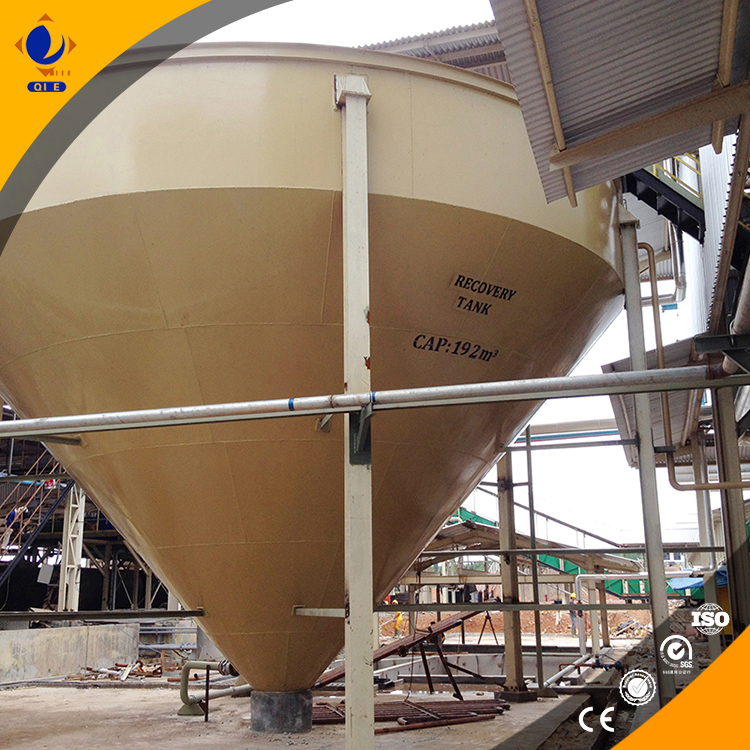
Let's take a look at some real - world examples. A palm oil processing enterprise in Malaysia carried out an energy - saving transformation on its pressing equipment. Before the transformation, the energy consumption per ton of oil was about 120 kWh. After implementing heat recovery systems, low - energy - consumption motors, and automation control optimization, the energy consumption per ton of oil dropped to about 90 kWh, a reduction of 25%. At the same time, the production capacity increased by 10% due to the more stable operation of the equipment. These data clearly show the effectiveness of energy - saving technologies in palm oil pressing equipment.
When selecting palm oil pressing equipment, the key indicator of kWh per ton of oil is of great significance. A lower kWh per ton of oil means lower energy consumption and higher energy efficiency. When choosing equipment, enterprises should pay attention to the motor power, heat recovery efficiency, and automation control level of the equipment. For example, equipment with a motor efficiency of over 90% and a heat recovery rate of over 70% is a good choice. In addition, the equipment should also have a stable performance and easy - to - operate control system.
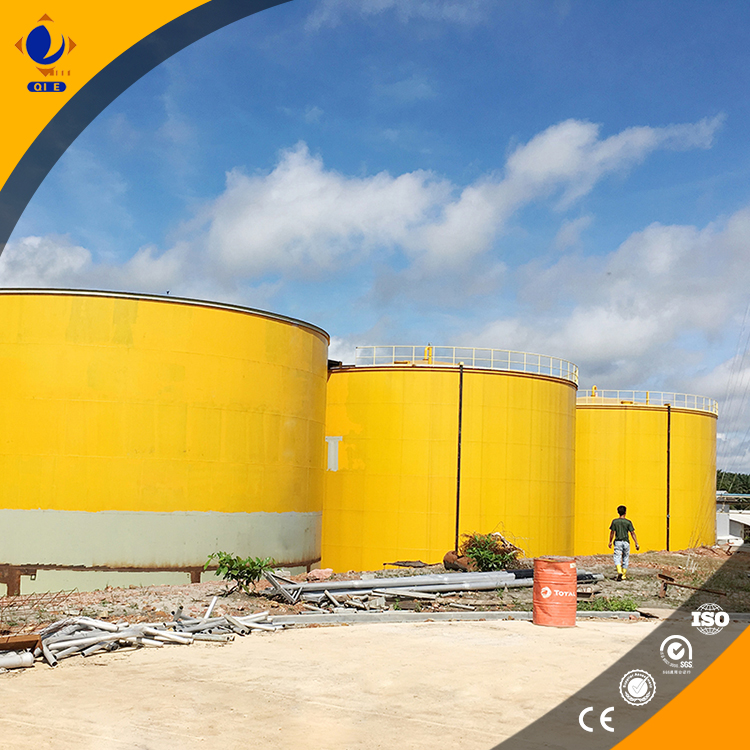
There are some common misunderstandings in the energy - saving process of palm oil pressing equipment. One of the most common is that some enterprises only focus on the initial investment of equipment and ignore the long - term energy - saving benefits. For example, they may choose low - cost but energy - inefficient equipment. Another misunderstanding is improper operation. For instance, not starting and stopping the equipment according to the correct procedures can lead to increased energy consumption. To address these issues, enterprises should establish a long - term energy - saving concept and provide regular training for operators.
Regular maintenance is essential for the energy - saving operation of palm oil pressing equipment. Enterprises should establish a detailed maintenance plan, including regular inspection of the heat recovery system, motor performance testing, and cleaning of equipment components. For example, cleaning the heat exchanger regularly can ensure its heat transfer efficiency. In addition, a daily energy - consumption monitoring system should be established to detect and solve energy - waste problems in a timely manner.
With the increasing global emphasis on sustainable development, green production in the palm oil processing industry has become an inevitable trend. International sustainable development standards require enterprises to reduce energy consumption and environmental pollution. In the future, palm oil pressing equipment will develop in the direction of higher energy efficiency, more intelligent control, and more environmentally friendly. For example, the application of artificial intelligence technology in equipment control can further optimize the energy - saving effect.
According to industry reports, the global demand for energy - efficient palm oil pressing equipment is growing at an annual rate of about 8%. This shows that more and more enterprises are aware of the importance of energy - saving technologies.