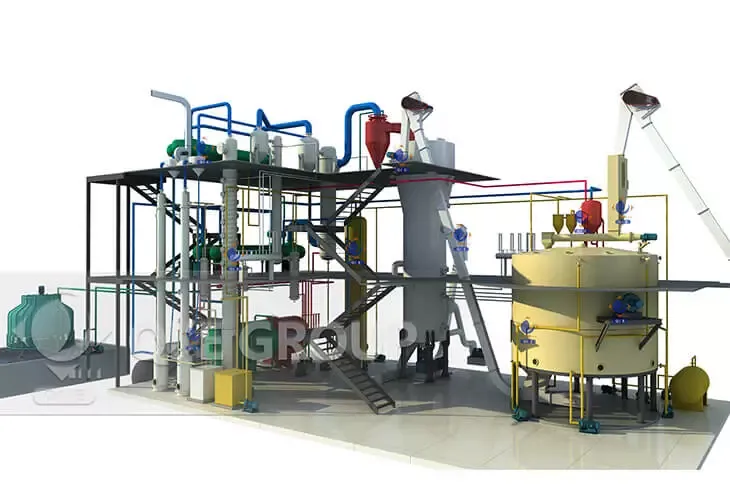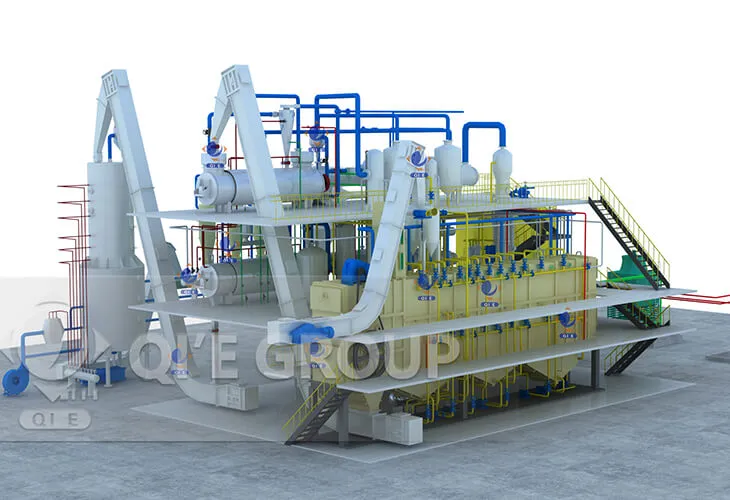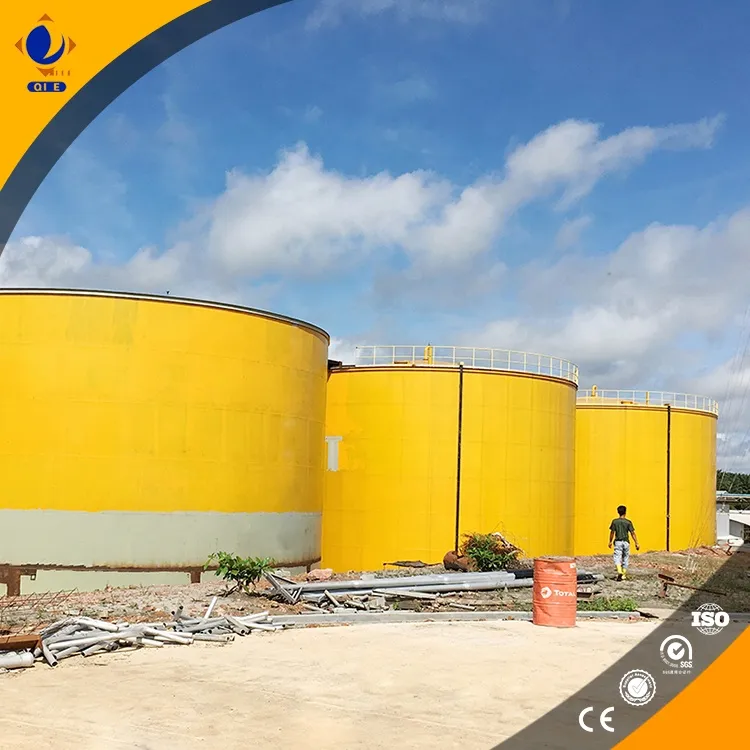
In the global palm oil industry, environmental concerns have become a significant focus, especially regarding wastewater reduction during the pressing process. Penguin Group, with its long - standing commitment to sustainable development, is at the forefront of exploring and implementing advanced wastewater reduction technologies.
The palm oil pressing process can be divided into three main stages: pre - treatment, pressing, and refining. Each stage has its own unique key pollutants.
In the pre - treatment stage, the main pollutants include suspended solids and some organic matter. Traditional pre - treatment processes often have low efficiency in removing these pollutants, leading to increased pressure on subsequent treatment steps. For example, the removal rate of suspended solids in some traditional pre - treatment processes is only about 60%, while modern advanced technologies can achieve a removal rate of over 90%.
During the pressing stage, a large amount of wastewater containing high - concentration organic matter, such as oil and grease, is generated. The chemical oxygen demand (COD) of this wastewater can reach up to 10,000 - 20,000 mg/L. Traditional pressing processes often discharge this wastewater directly or with simple treatment, which not only causes environmental pollution but also wastes valuable resources.
In the refining stage, the main pollutants are residual chemicals and some heavy metals. The improper handling of these pollutants can have a long - term impact on the environment. A comparison table of traditional and advanced technologies in each stage is shown below:
| Process Stage | Traditional Technology | Advanced Technology |
|---|---|---|
| Pre - treatment | Low removal rate of suspended solids (about 60%) | High removal rate of suspended solids (over 90%) |
| Pressing | Direct discharge or simple treatment of high - COD wastewater | Closed - loop water system, resource utilization of waste residue |
| Refining | Ineffective removal of residual chemicals and heavy metals | Efficient removal of residual chemicals and heavy metals |
One of the effective clean production technologies is the closed - loop water system. By recycling and reusing water in the palm oil pressing process, this system can reduce water consumption by up to 30%. For example, in a palm oil factory in Malaysia, after implementing a closed - loop water system, the daily water consumption decreased from 500 cubic meters to 350 cubic meters.
Another important technology is the dry - up and resource utilization of waste residue. The waste residue generated during the pressing process can be dried and used as bio - fuel or organic fertilizer. This not only reduces environmental pollution but also creates additional economic value. In some factories, through waste residue resource utilization, they can save about 20% of the energy cost for heating and generate additional income from selling bio - fuel or organic fertilizer.
To improve the efficiency of waste gas collection, modern factories are using advanced waste gas collection equipment. By increasing the collection efficiency from the original 70% to over 90%, the emission of volatile organic compounds (VOCs) can be effectively reduced.
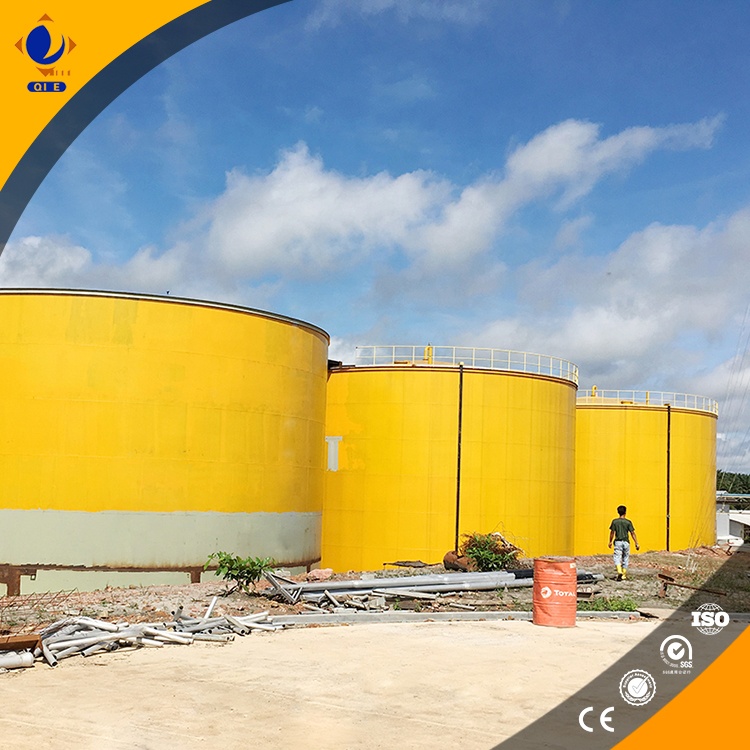
In real - world palm oil factories, there are many common environmental risks. For example, leachate pollution is a serious problem. If the waste residue is not properly stored, leachate containing high - concentration pollutants will be generated, which can contaminate the soil and groundwater. To prevent this, factories should build proper waste residue storage facilities and regularly monitor the leachate.
Odor complaints are also a common issue. The smell generated during the palm oil pressing process can cause discomfort to nearby residents. Factories can install odor - removing equipment and optimize the process to reduce odor emissions.
The ISO 14001 system plays a crucial role in the palm oil pressing process. By implementing this system throughout the entire process, factories can form a closed - loop management model. This helps factories to identify environmental risks in a timely manner, take corresponding measures to reduce pollution, and finally pass environmental audits.
For example, a palm oil factory in Indonesia has successfully passed the ISO 14001 environmental audit after implementing a series of environmental protection measures based on the ISO 14001 system. This not only enhances the factory's environmental image but also meets the requirements of green export.

In conclusion, by adopting advanced wastewater reduction technologies, palm oil processing enterprises can not only reduce environmental risks, improve compliance, but also enhance their social responsibility image. If you want to learn more about environmental protection in the palm oil industry and get a free copy of the Environmental Self - Check List PDF, please click here.
.jpg?x-oss-process=image/resize,h_800,m_lfit/format,webp)