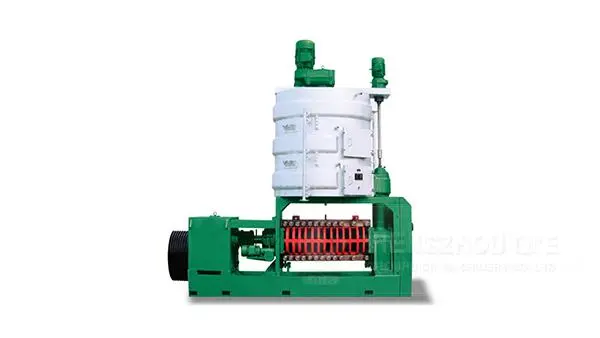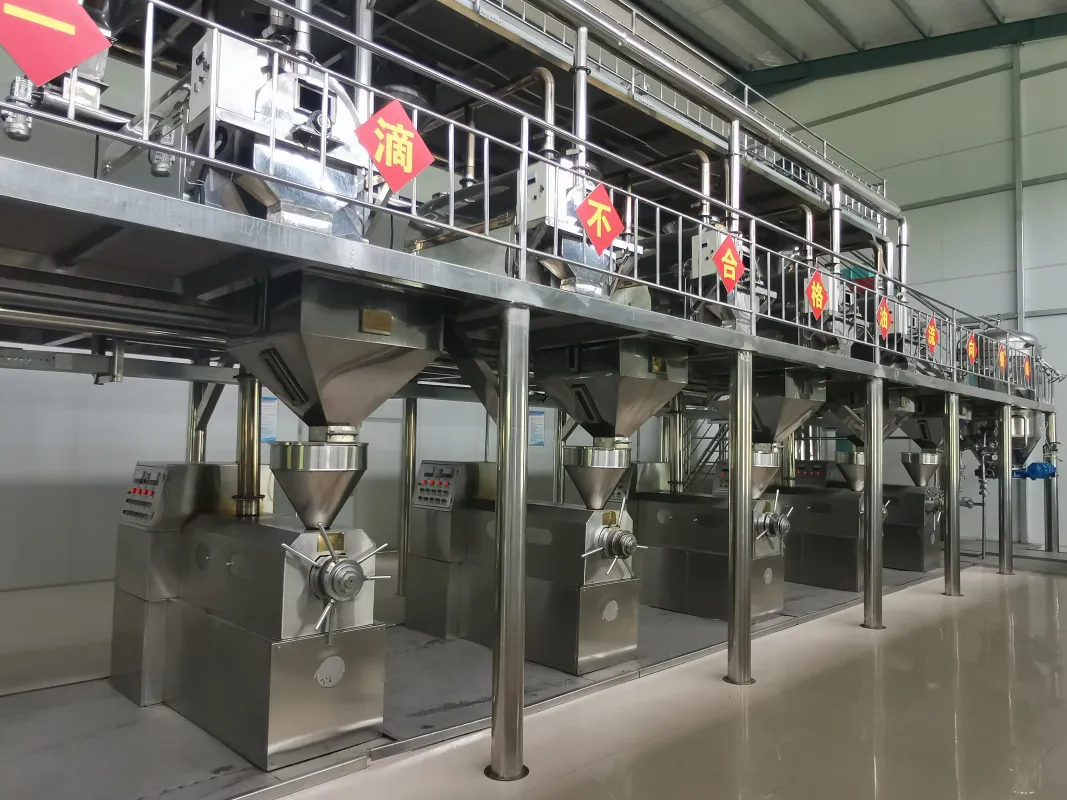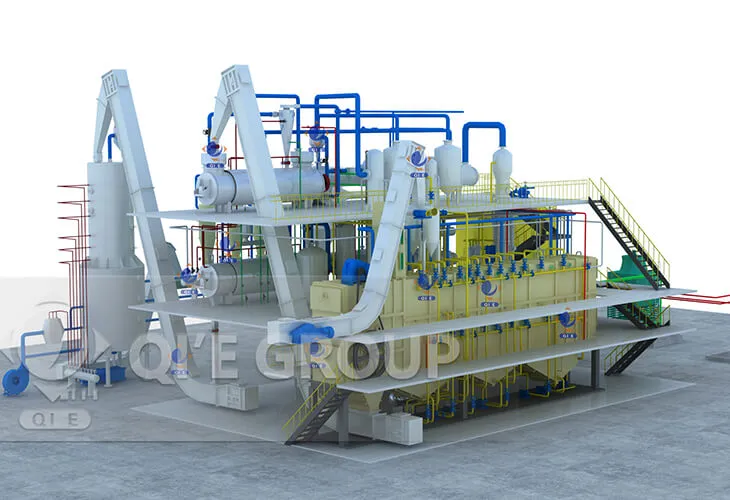
In the global palm oil industry, environmental protection and compliance have become increasingly crucial. This article aims to provide a comprehensive analysis of the key wastewater treatment technologies in the palm oil pressing process and compliance guidelines for export enterprises, focusing on the environmental control points in the pre - treatment, pressing, and refining stages.
Palm oil production generates a significant amount of wastewater, exhaust gas, and solid waste. The wastewater mainly comes from the washing of palm fruits, the separation process during pressing, and the refining stage. The exhaust gas contains volatile organic compounds and particulate matter, while the solid waste includes palm kernel shells, empty fruit bunches, and sludge.

For example, in a real - world palm oil factory, it was found that during the pressing process, approximately 2 - 3 cubic meters of wastewater is generated per ton of palm fruits processed. The high - strength organic matter in the wastewater, such as oils and fats, proteins, and carbohydrates, poses a serious threat to the environment if not properly treated.
One of the effective wastewater treatment technologies is the closed - loop circulating water system. This system recycles the water used in the production process, reducing the fresh water intake and wastewater discharge. By implementing this system, a palm oil factory can reduce its water consumption by up to 50% and wastewater discharge by 60%.
Another important technology is the resource utilization of solid waste. For instance, palm kernel shells can be used as fuel for boilers, and empty fruit bunches can be processed into bio - fertilizers. This not only reduces the volume of solid waste but also creates additional economic value.
The ISO 14001 environmental management system plays a vital role in ensuring environmental compliance in the palm oil production process. It provides a framework for enterprises to establish, implement, maintain, and improve their environmental management system. By integrating ISO 14001 into the production process, enterprises can achieve closed - loop management, continuously monitor and improve their environmental performance.
For example, a palm oil export enterprise that has implemented the ISO 14001 system can better meet the environmental requirements of international markets, enhancing its competitiveness and social responsibility.
There are several common environmental risks in palm oil production, such as non - compliant wastewater discharge, excessive exhaust gas emissions, and improper solid waste disposal. To avoid these risks, enterprises should conduct regular environmental impact assessments, establish strict environmental management procedures, and train their employees on environmental protection knowledge.

For example, if a factory fails to properly treat its wastewater, it may face fines and legal sanctions. Therefore, enterprises should pay close attention to these potential risks and take proactive measures to prevent them.
In conclusion, by implementing advanced wastewater treatment technologies and strict environmental management systems, palm oil export enterprises can not only meet the international environmental compliance requirements but also contribute to sustainable development. Download the free Palm Oil Pressing Environmental Self - Check List PDF to help your enterprise better manage environmental risks and achieve environmental compliance.