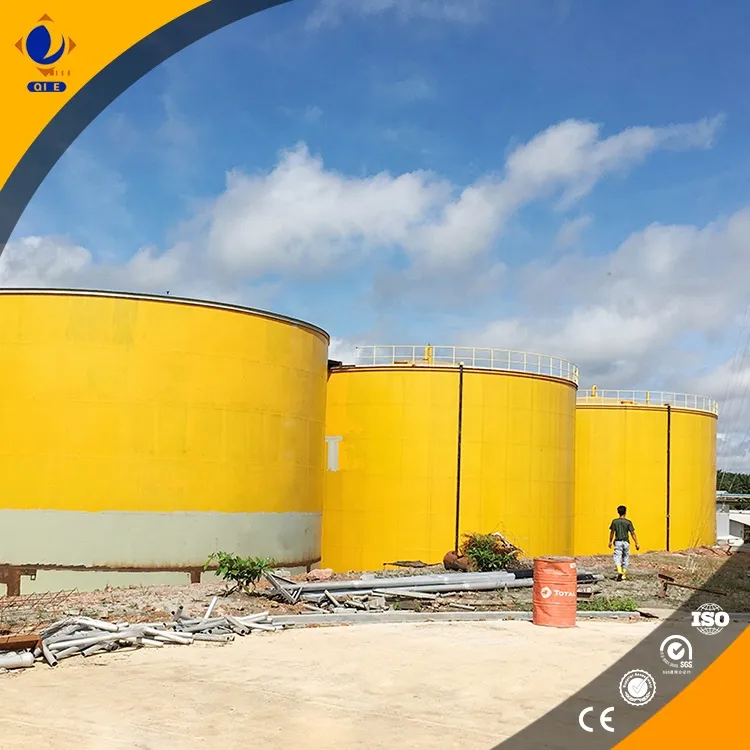
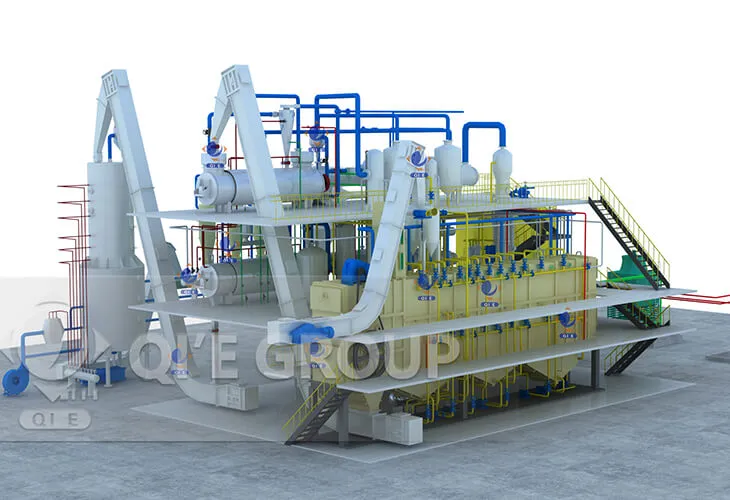
In the palm oil processing industry, environmental protection has become an increasingly critical issue. This article will delve into the key points of environmental control in the entire palm oil pressing process, offering practical solutions for palm oil processing enterprises to achieve green transformation.
The palm oil pressing process can be divided into several stages, each with its own environmental challenges. Let's take a look at the common pollution problems and improvement measures in each stage.
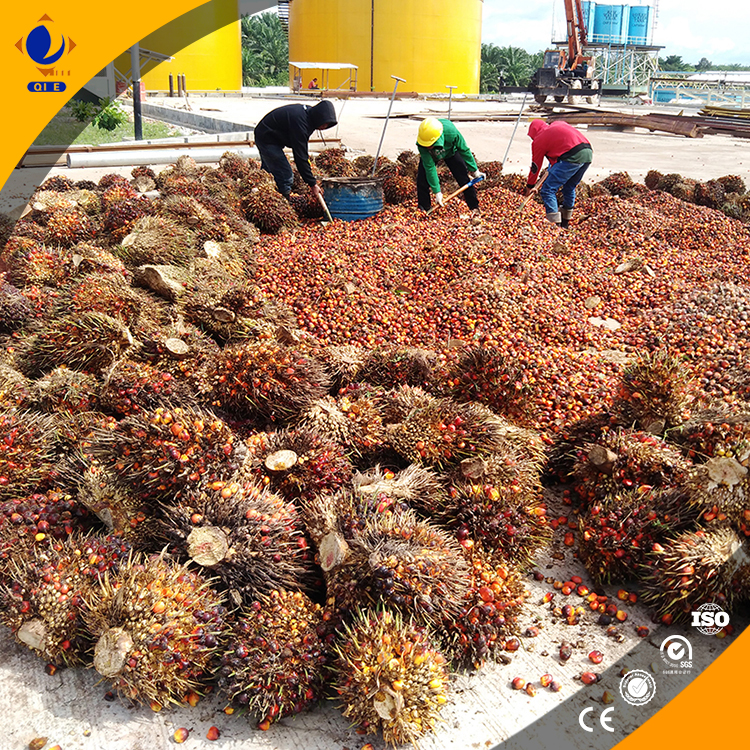
In the pretreatment stage, common pollution problems include the generation of solid waste and wastewater. For example, the cleaning of palm fruits produces a large amount of wastewater containing organic matter and sediment. To address this issue, enterprises can adopt advanced cleaning technologies, such as using high - pressure water jets to reduce water consumption and improve cleaning efficiency. According to industry data, implementing such technologies can reduce wastewater generation by up to 30%.

During the pressing process, high - concentration organic wastewater is the main pollution source. To reduce its emissions, enterprises can install closed - loop water systems. These systems recycle water, reducing the need for fresh water intake and minimizing wastewater discharge. A study shows that a well - designed closed - loop water system can reduce high - concentration organic wastewater emissions by 50%.
In the refining stage, the main challenges are waste gas collection and odor control. By optimizing the waste gas collection system, enterprises can improve the collection efficiency. For example, installing advanced exhaust hoods and using activated carbon adsorption technology can effectively reduce the emission of volatile organic compounds (VOCs). Some factories have reported that after implementing these measures, the VOC emission reduction rate can reach 60%.
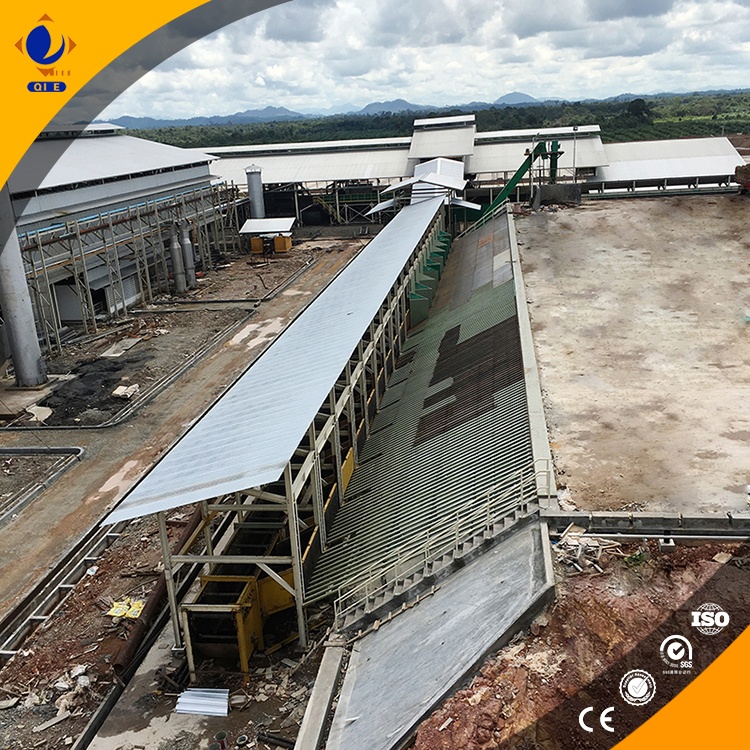
Waste residues generated during the palm oil pressing process can be a valuable resource if properly treated. The dry - up and resource utilization of waste residues can not only reduce environmental pollution but also bring economic benefits. For example, waste residues can be used as raw materials for bio - fuel production or as organic fertilizers. The resource utilization rate of waste residues can reach up to 80% in some advanced factories.
The ISO 14001 environmental management system provides a framework for enterprises to manage environmental risks and improve environmental performance. In each stage of the palm oil pressing process, the ISO 14001 system can be applied to ensure environmental compliance. For example, through regular environmental audits and continuous improvement, enterprises can identify potential environmental risks and take timely measures to address them.
There have been some cases where palm oil factories failed to meet environmental requirements and were fined. By analyzing these cases, we can extract prevention mechanisms. For example, one factory was fined due to excessive wastewater discharge. The main reason was the lack of proper wastewater treatment facilities. To prevent such situations, enterprises should invest in advanced treatment technologies and establish strict environmental management systems.
In conclusion, environmental protection in the palm oil processing industry is crucial for sustainable development. By adopting advanced technologies and management systems, enterprises can not only meet environmental requirements but also improve their competitiveness. If you want to learn more about environmental protection in the palm oil industry and get a free copy of the Environmental Self - Inspection Checklist PDF, click here.