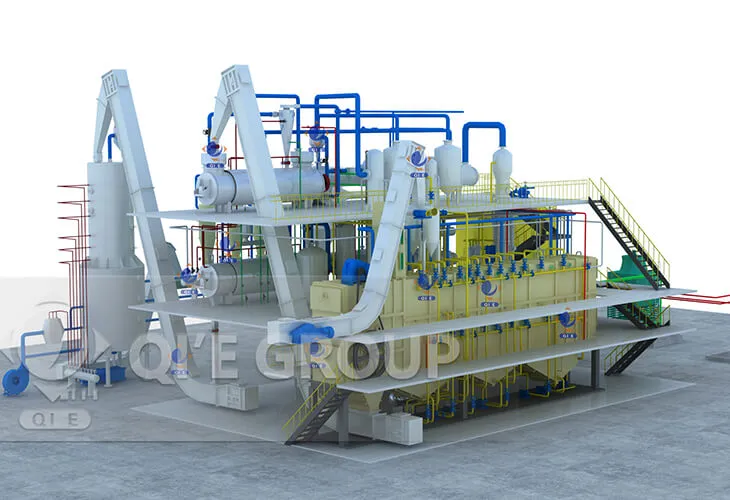
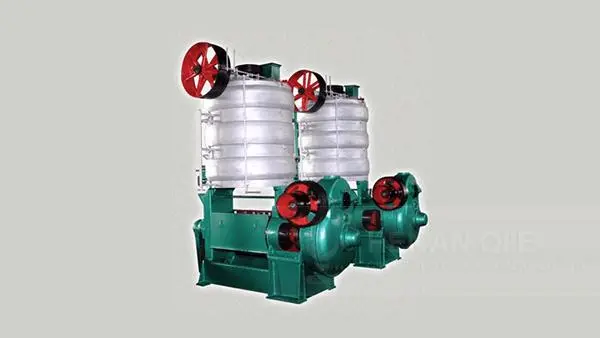
For peanut oil producers aiming to scale sustainably while maintaining premium quality, automation is no longer optional—it's essential. The automated peanut oil filling system developed by QIE Group offers a streamlined solution that integrates three core functions: filtration, refining, and packaging—each designed to reduce manual labor, minimize waste, and improve consistency across batches.
Traditional peanut oil production often suffers from inconsistent quality due to fragmented processes. By combining filtration (removing impurities), refining (reducing free fatty acids and odors), and automated灌装 (precision dosing), this system reduces processing time by up to 40% compared to conventional methods. In real-world applications, companies like Golden Harvest Foods in Vietnam saw a 35% increase in daily output within just two months of installation.
Key Metrics:
The system uses food-grade stainless steel (304/316L) throughout its contact surfaces—a critical choice for compliance with ISO 9001:2000 and HACCP standards. These certifications aren’t just checkboxes—they ensure the equipment resists corrosion, avoids contamination, and meets global export requirements. For buyers targeting EU or Middle East markets, these credentials are non-negotiable.
One client in Saudi Arabia noted that their first batch passed all EU lab tests on the first try—thanks to the system’s built-in temperature control during refining, which prevents oxidation and preserves flavor integrity.
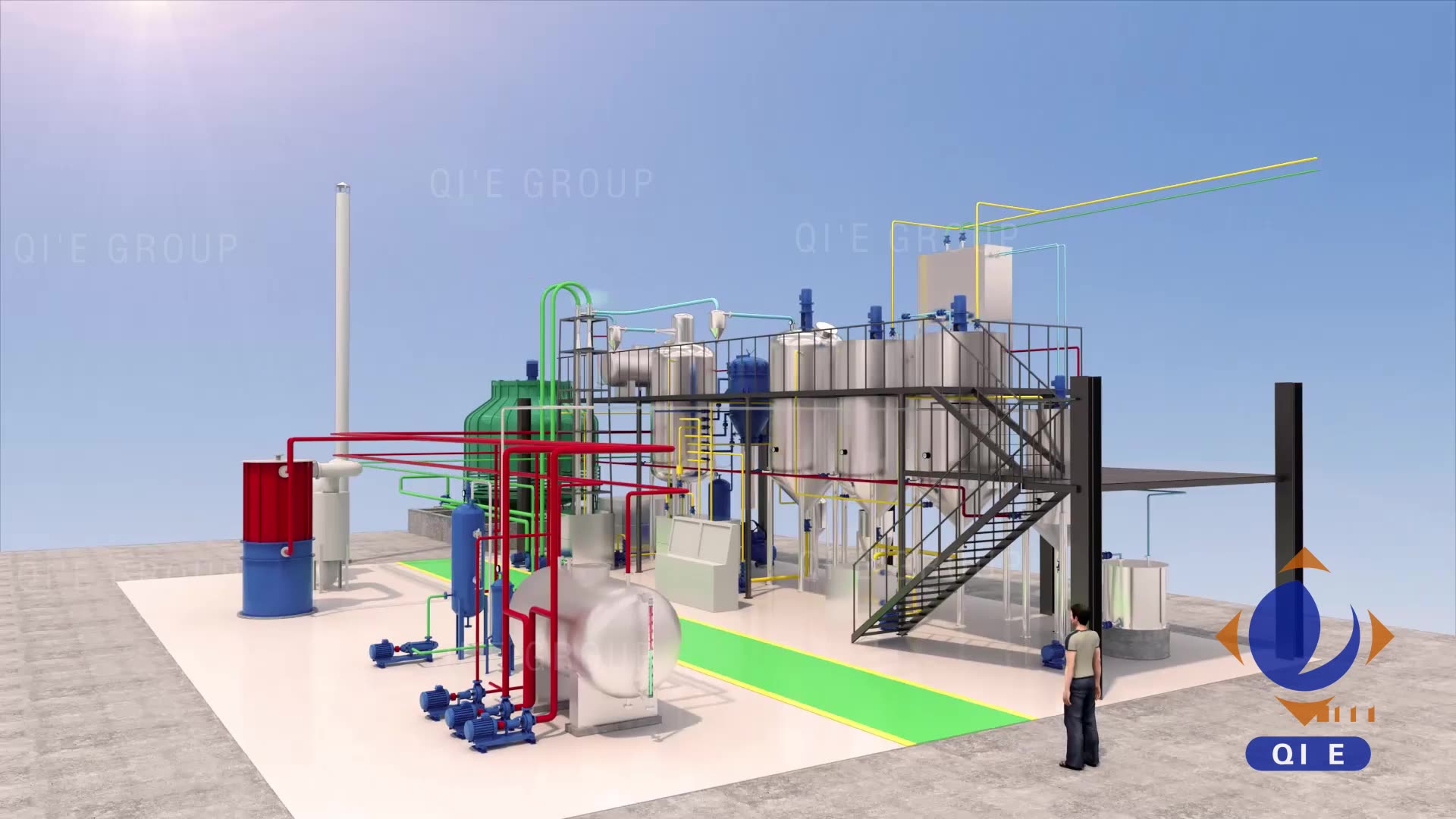
Whether you run a 5-ton/day operation or a 50-ton facility, this system adapts. Modular design allows for easy expansion—adding more filling heads or integrating with existing bottling lines without major overhauls. Case studies show that small-scale producers in Nigeria achieved ROI in under 9 months, while large processors in India reduced energy consumption by 22% through optimized heat recovery systems.
What truly sets QIE Group apart is not just the hardware—it’s the support. Their 24/7 remote diagnostics, 1-year warranty, and on-site technician training program have helped clients cut downtime by 60%. A Thai buyer said: “We didn’t just buy a machine—we got a partner who understands our business.”
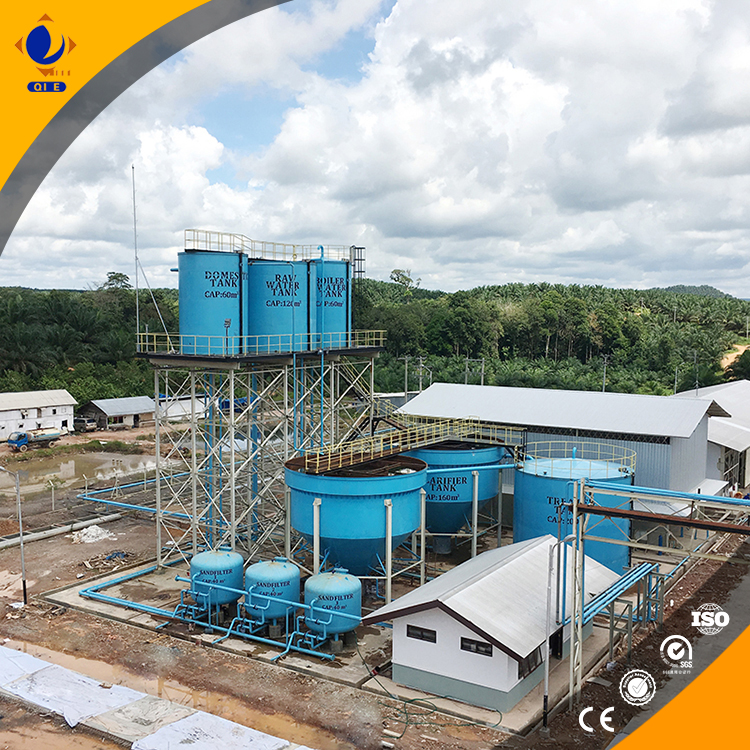
If your goal is consistent quality, lower operational costs, and smoother international exports—you’re already ahead by reading this. Now it’s time to take action.