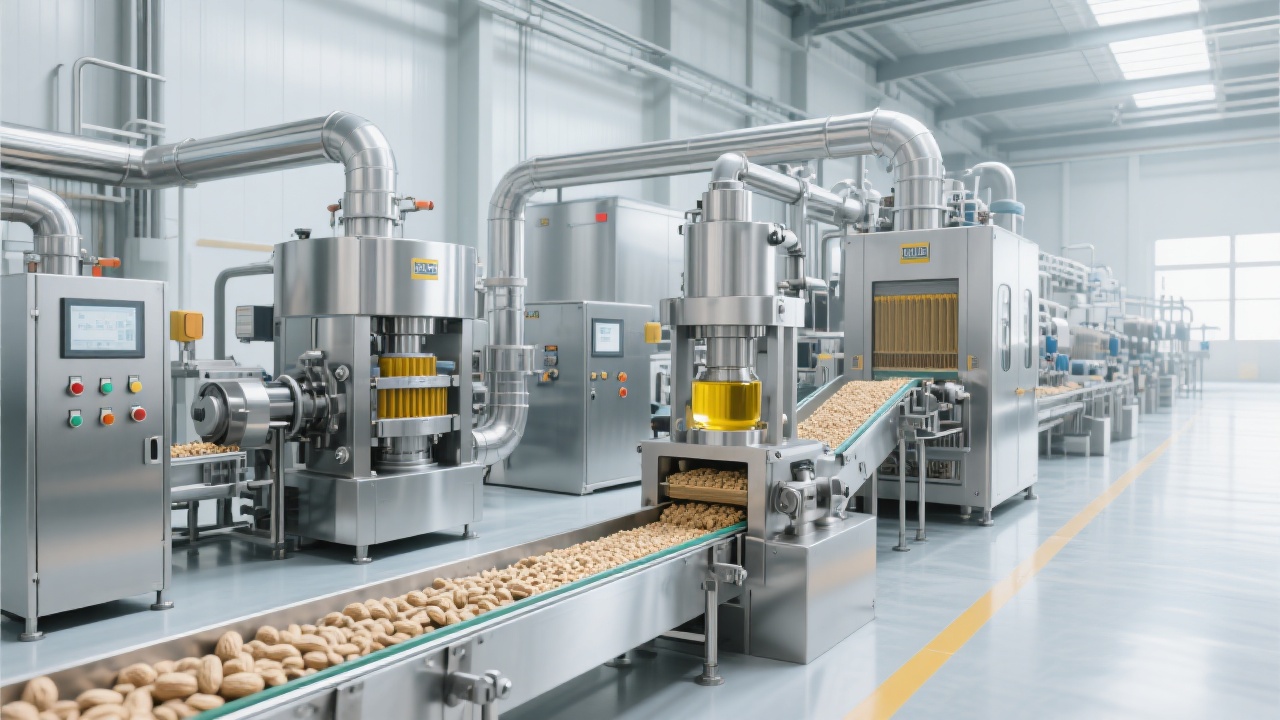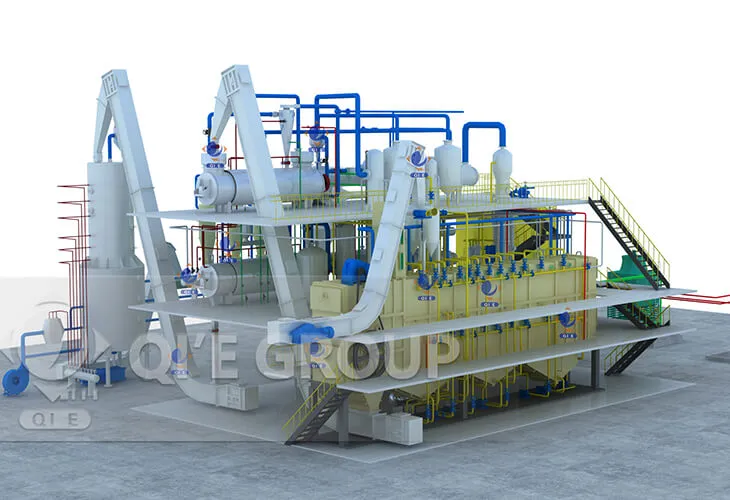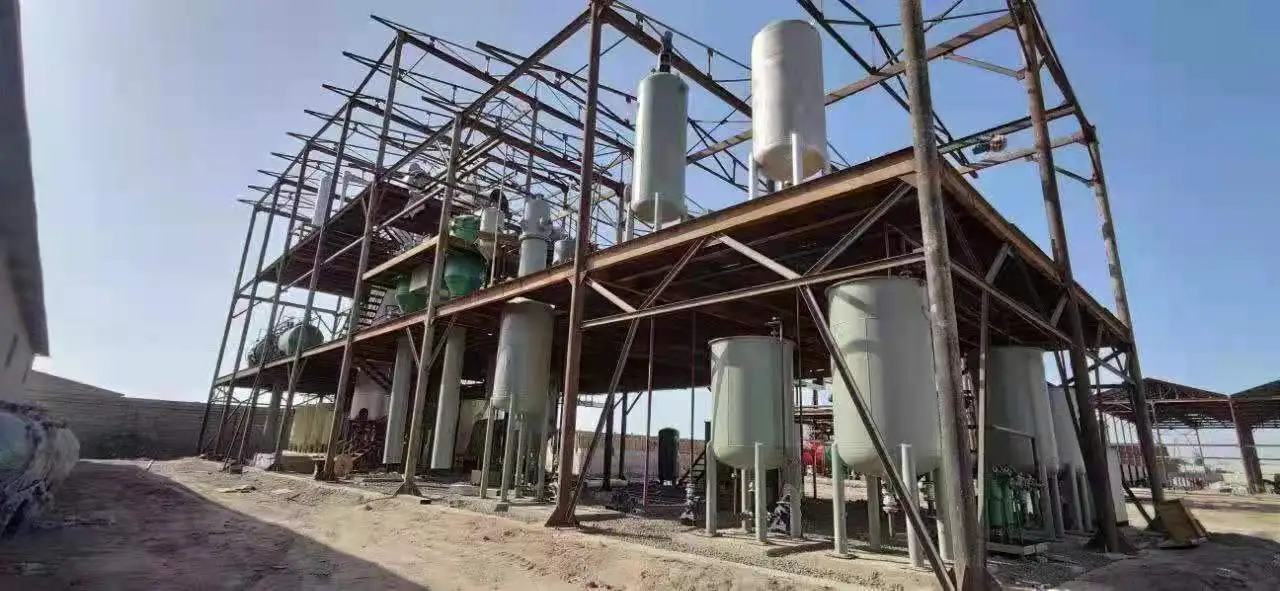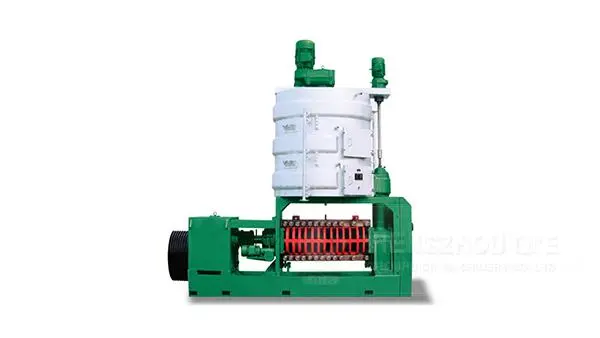
The peanut oil production sector has increasingly leaned on automation and precise process control to meet rising global demand while ensuring product quality and compliance with stringent food safety standards. Within automated peanut oil filling systems, the filtration and refining stages are critical to removing impurities and maintaining the nutritional integrity of the oil. This article examines key technical principles and parameter control strategies that enable producers—ranging from midsize processors to large-scale manufacturers—to boost production efficiency and elevate the quality of their peanut oil output.
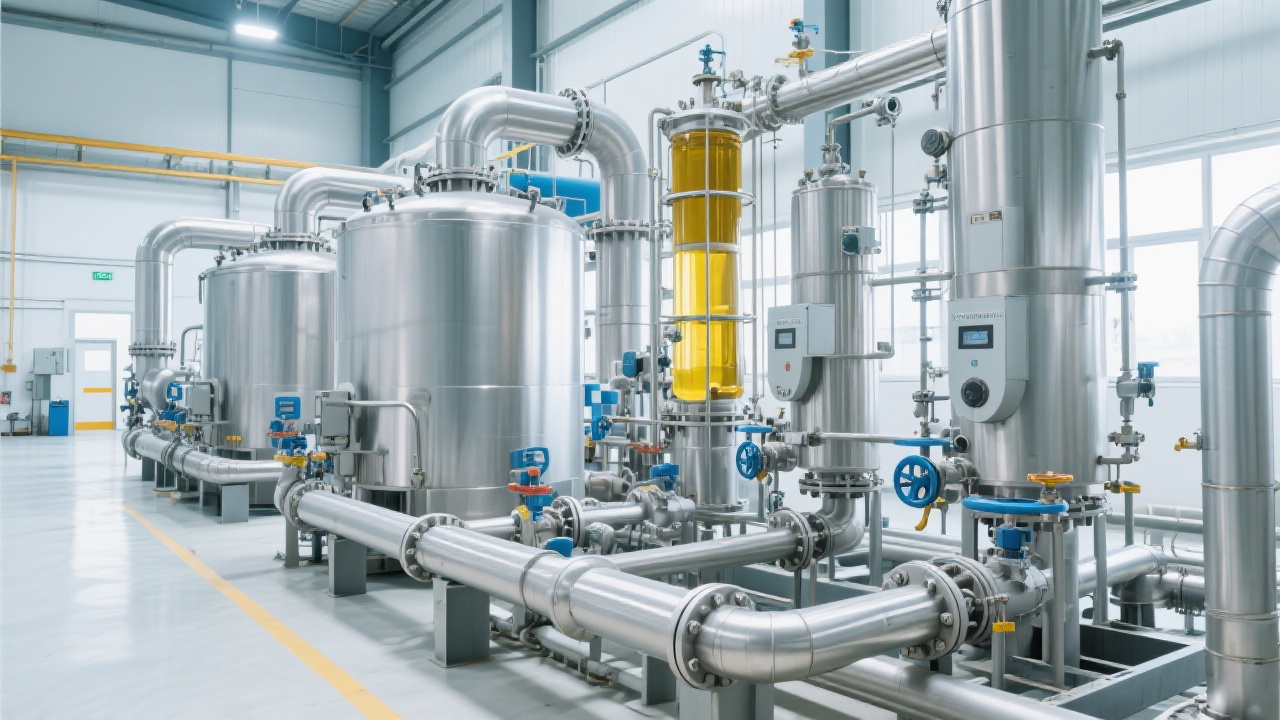
Filtration is the foundational step to purify crude peanut oil by extracting suspended solids, gums, and other contaminants. In modern automated lines, a combination of physical filtration techniques—such as pressure leaf filters and centrifugal separators—is complemented by chemical methods involving adsorbents or neutralizing agents. Pressure leaf filters typically operate under 4-6 bar pressure with mesh sizes optimized between 5-10 microns to ensure high throughput while balancing fine particle retention. Centrifugal clarifiers running at 3000-4000 rpm efficiently separate denser solids without thermal degradation, protecting delicate oil compounds.
Chemical filtration enhancements involve activated bleaching earth or adsorbents certified to international food-grade standards, applied at dosages of 2-5% by weight. These adsorbents reduce phospholipids and polyphenols responsible for off-flavors and coloration, thereby improving clarity and shelf stability. Adjusting the adsorbent quantity and contact time—from 20 to 60 minutes depending on batch size—enables processors to fine-tune the filtering effect to raw material variability.
Refining is divided into multiple stages, including degumming, neutralization, bleaching, and deodorization. Each step necessitates careful control of temperature, pH, and residence time to maximize impurity removal without excessive loss of valuable fatty acids and antioxidants.
| Refining Stage | Key Parameters | Optimal Range | Effect on Oil Quality |
|---|---|---|---|
| Degumming (Degelatinization) | Water dosage, mixing intensity, temperature | 2-3% water; 60–70 °C | Removes phospholipids, improves clarity |
| Neutralization (Deacidification) | Caustic soda concentration, pH control, temperature | pH 6.0-6.5; 70–75 °C | Reduces free fatty acids, increases shelf life |
| Bleaching | Bleaching earth dosage, contact time, temperature | 3-5% by weight; 60–70 °C; 30-60 min | Removes pigments and trace metals |
| Deodorization | Temperature, vacuum level, gas flow | 180-220 °C; high vacuum (~5 mmHg) | Eliminates volatiles, preserves flavor and nutrients |
Enterprises vary widely in their production scale and input raw material quality. A small to midsize processor producing 2-5 tons per hour might prioritize more conservative temperature ranges and longer residence times to minimize nutrient loss while handling batch variability. Larger manufacturers running continuous lines above 10 tons per hour often employ real-time sensors tied to automated control loops that adjust parameters dynamically based on oil quality metrics such as free fatty acid percent and turbidity.
Leveraging software-enabled process analytics enables production teams to respond proactively to fluctuations in raw material quality or equipment performance, enhancing yield by up to 5-7% and reducing off-spec product rejects considerably. Implementation of ISO 22000 and HACCP standards throughout these process adjustments ensures compliance with international food safety regulations, a sine qua non for successful export market access.
At QIE Group’s automated peanut oil filling facility, engineers optimized filter mesh size from 10 to 7 microns combined with reducing bleaching earth dosing from 5% to 3.5%. This adjustment, along with lowering deodorization temperatures by 10 °C, resulted in:
These tangible improvements underscore the value of flexible parameter tuning powered by automation and informed by real-time analytics.

All procedural parameters and equipment used must align with international food safety standards such as ISO 22000, HACCP protocols, and Codex Alimentarius guidelines. Regular validation through third-party lab testing and in-house quality control ensures that parameter optimizations do not compromise safety. Maintaining traceability via digital batch records is critical for audit readiness and fast response to any potential quality issues.
- Regularly calibrate sensors controlling temperature, pressure, and pH to ensure precision.
- Implement adaptive process controls linked with raw material quality analytics.
- Use scientifically validated adsorbents and ensure optimal dosing to avoid nutrient stripping.
- Schedule preventive maintenance on filtration and refining equipment to minimize downtime.
- Communicate closely with equipment suppliers for parameter customization tailored to specific oil varieties.