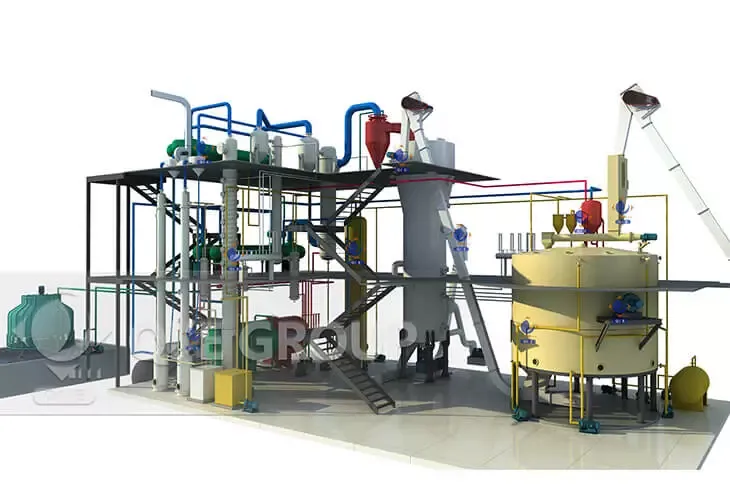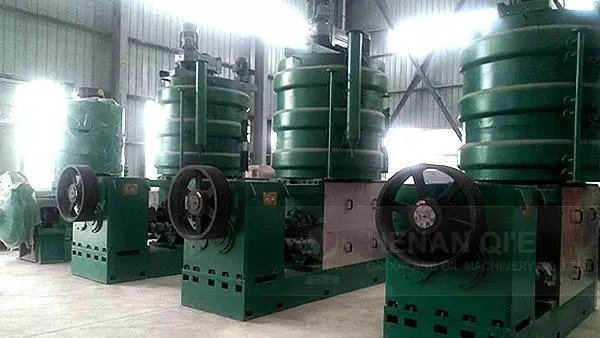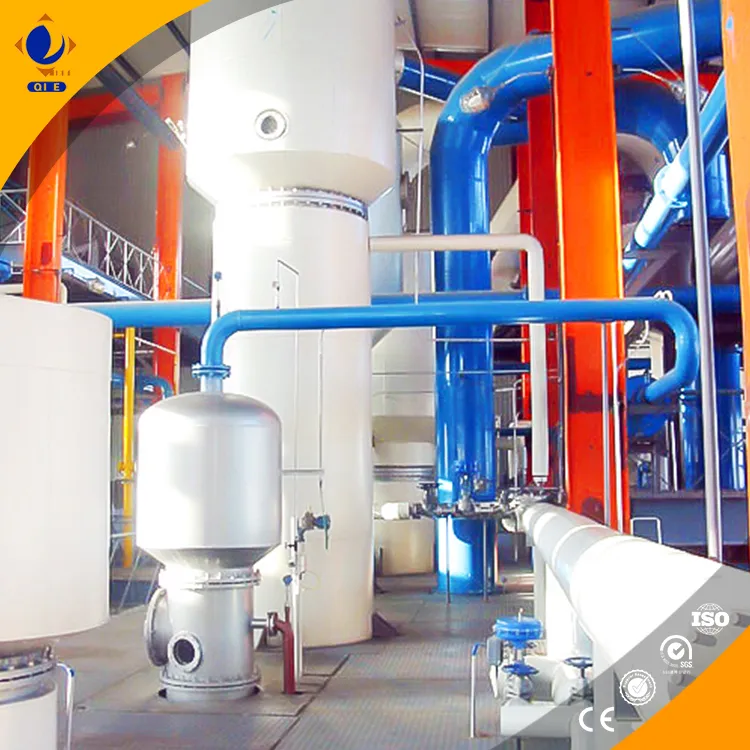
In the evolving landscape of edible oil production, advanced automation and precise refining techniques are indispensable for meeting high-quality standards and ensuring food safety. This guide delves into the critical stages of peanut oil refining within the cutting-edge automated filling systems pioneered by QIE Group. By mastering degumming, deacidification, decolorization, and deodorization parameters, oil processors can elevate product purity and preserve nutritional value while optimizing efficiency.
Degumming targets the removal of phospholipids that cause turbidity and reduce shelf life. Automated systems employ precision dosing of phosphoric acid or citric acid to hydrate gums, enabling effective separation. Optimal parameters include:
Automated real-time monitoring of phospholipids concentration via inline sensors ensures consistent process control, reducing batch variation and enhancing clarity before subsequent refining steps.
Free Fatty Acids (FFA) degrade oil stability and flavor. The chemical refining route uses caustic alkali (NaOH) to neutralize FFAs, whereas physical refining removes FFAs via steam distillation under vacuum. Critical performance factors in automated setups include:
| Parameter | Chemical Refining | Physical Refining |
|---|---|---|
| Temperature | 60–70°C | 210–250°C under vacuum |
| Alkali Dosage / Steam Rate | 1.5–2.0% NaOH (w/w) | Steam 0.5–0.8 bar |
| Retention Time | 20–30 minutes | 30–40 minutes |
| FFA Reduction | < 0.1% | < 0.1% |
QIE Group’s automation facilitates dynamic parameter adjustments based on crude oil FFA content fluctuations, improving yield while preventing soap formation or excessive stripping of beneficial components.
Removal of pigments such as carotenoids and chlorophyll is achieved through bleaching earth adsorption or activated carbon treatment. Key process controls include:
Inline particle filters integrated within the automated system prevent adsorbent carryover, securing oil clarity and extending filter life. Color reduction rates typically reach 85–95%, depending on crude oil quality.
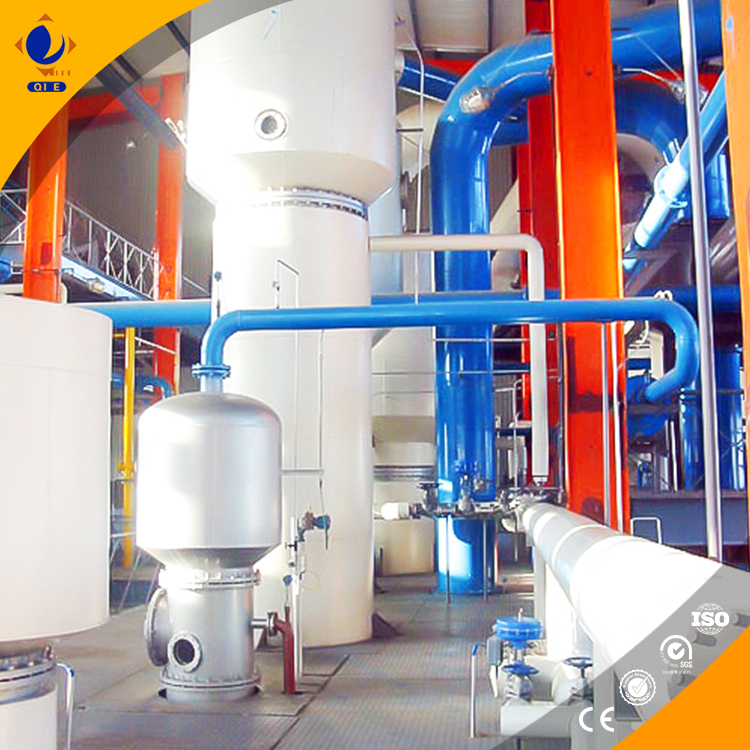
This critical final stage removes volatile impurities like free fatty acids, aldehydes, and ketones via high-temperature steam distillation under vacuum conditions. Automated control focuses on:
Penguin’s system leverages sensors and analytics to fine-tune these variables dynamically, preserving tocopherols and polyphenols critical for nutritional value, while guaranteeing odor-free oil with extended shelf life.
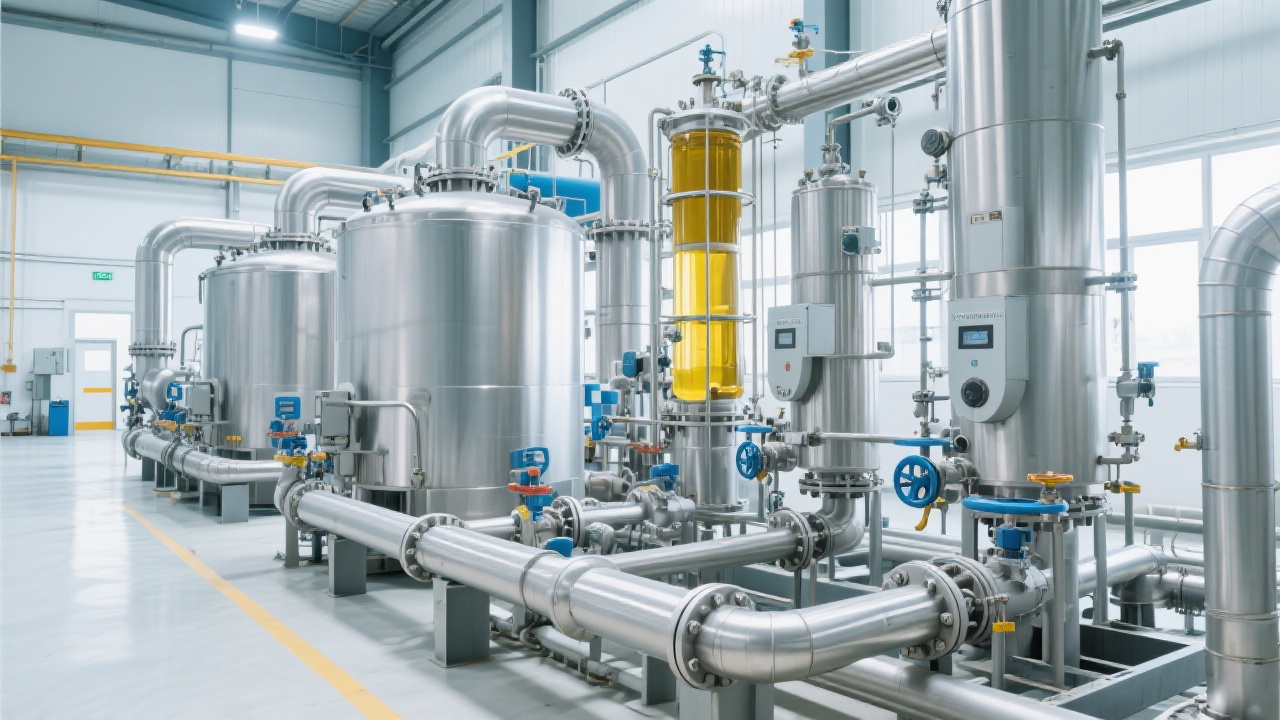
Whether operating at 1 ton/hour pilot plants or large-scale 50 tons/hour industrial lines, the system's flexibility in regulating key parameters according to input quality, downstream requirements, and output specifications is crucial. For example:
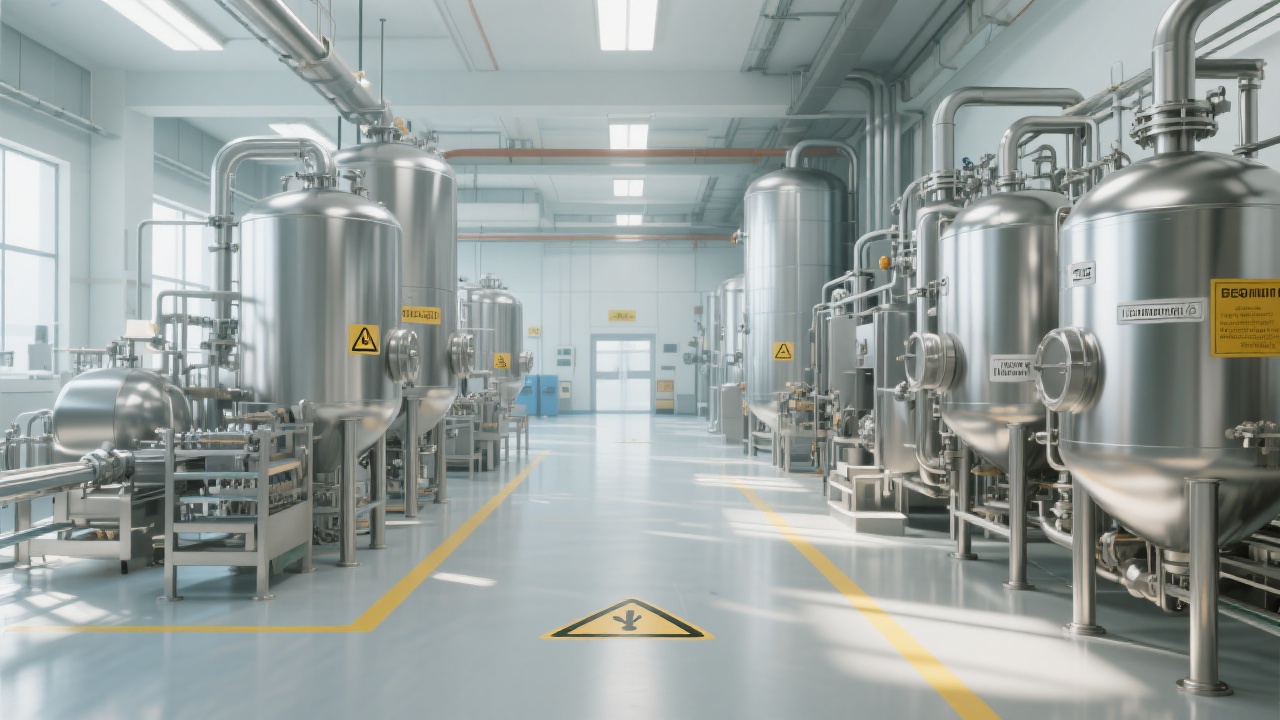
Real-life case data from QIE Group clients revealed production yield improvements up to 8%, with simultaneous reduction in processing costs by 12%, thanks to automated parameter optimization and inline quality feedback loops.