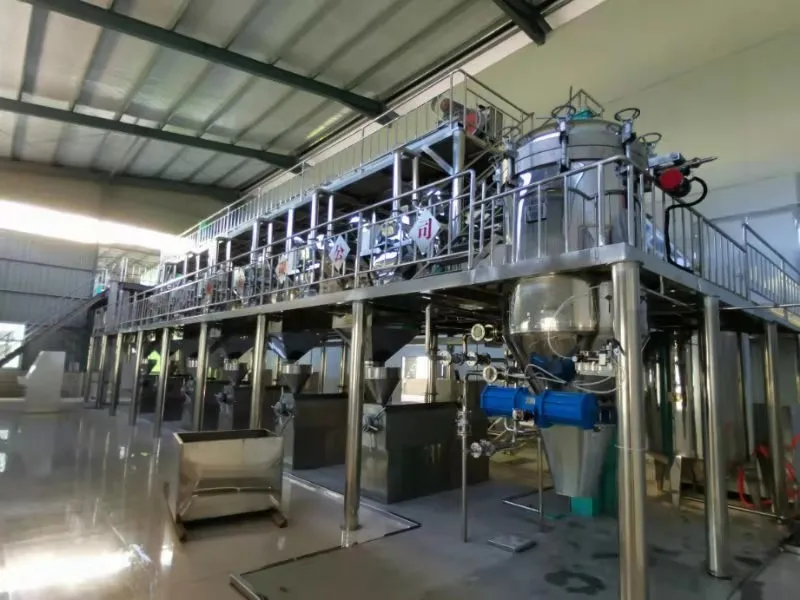
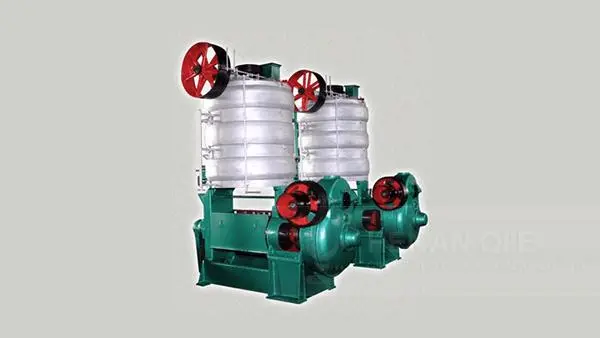
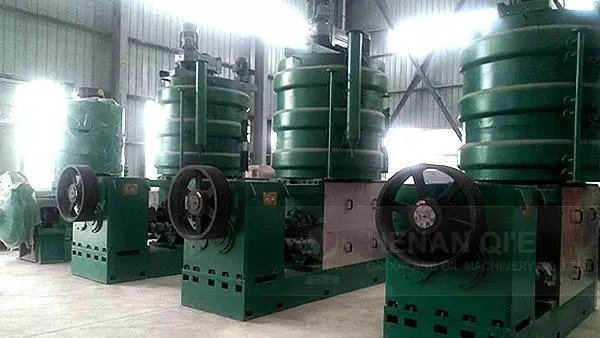
For peanut oil producers aiming for consistent quality and global compliance, mastering the full refining process—from de-gumming to deodorization—is no longer optional. It's a strategic necessity. Whether you're operating a small-scale facility or a high-volume plant, optimizing these four core stages can reduce impurities by up to 95%, improve shelf life by 30–40%, and ensure alignment with international food safety standards like GB 2716 and ISO 2982.
Traditional methods often rely on manual adjustments—leading to inconsistent results and higher waste. Modern automated systems, however, allow precise control over temperature (typically 60–85°C), pressure (0.1–0.3 MPa), and time (15–60 min per stage). For example, one Chinese OEM saw their free fatty acid (FFA) levels drop from 2.5% to below 0.5% after implementing real-time pH monitoring during de-acidification—a critical step for meeting EU and U.S. import requirements.
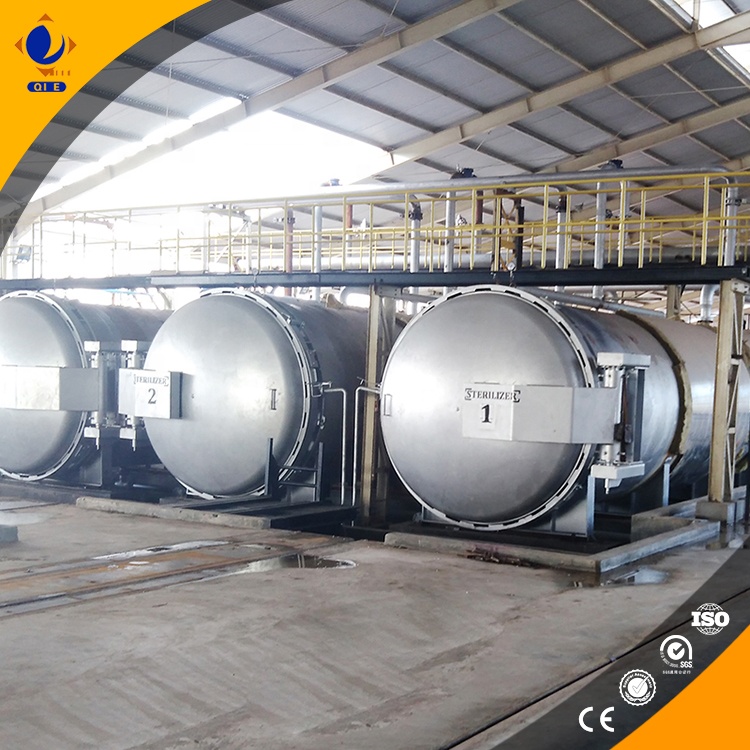
Small producers may worry that automation is too costly—but scalable solutions exist. A case study from a Malaysian processor shows how integrating modular units allowed them to start with basic filtration and gradually add de-gumming and decolorization modules as production grew. This phased approach reduced initial investment by 40% while maintaining >98% yield consistency across batches.
GB 2716 Clause 4.1: “Peanut oil must have a maximum FFA content of 0.5% for export-grade products.” Automated systems make it easier to meet this standard consistently.
Similarly, in markets like Saudi Arabia and UAE, where buyers prioritize trust and traceability, having documented parameters for each refining stage not only builds credibility but also speeds up customs clearance—especially when paired with digital batch records.
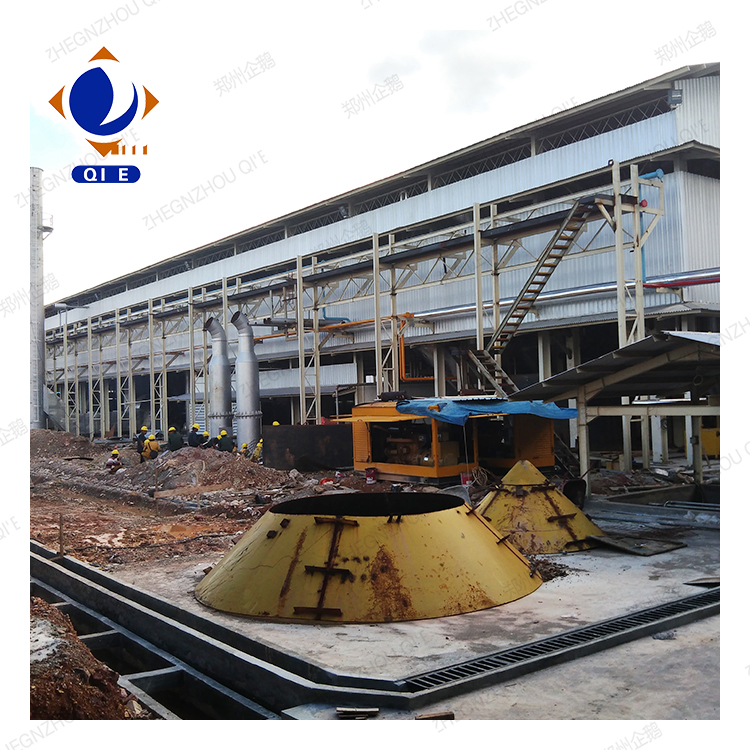
Don’t let outdated practices hold your brand back. The difference between passing inspection and failing it often lies in how well you manage the final three steps: de-gumming (removes phospholipids), de-acidification (reduces acidity), and decolorization (eliminates pigments)—all before deodorization seals in flavor stability.
A client in Vietnam reported a 22% reduction in post-processing losses after switching to an automated system with closed-loop temperature control. Another in Brazil improved their product’s oxidative stability (measured by Rancimat test) from 8 hours to 16 hours—making their oil more attractive to European retailers who demand long shelf life.