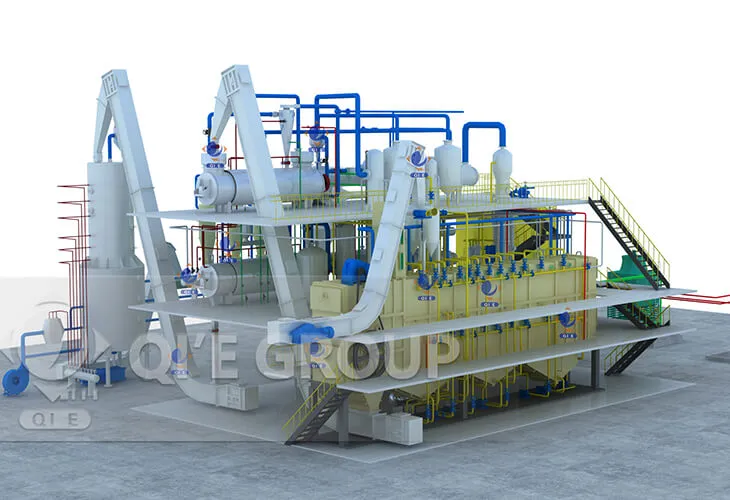
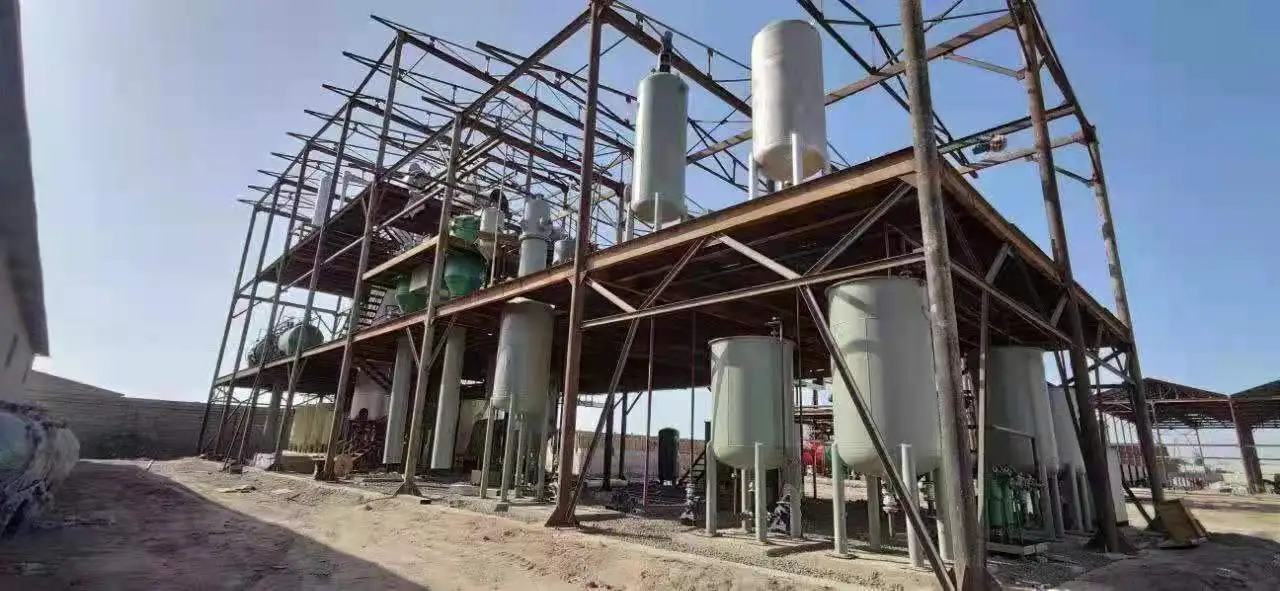
In the realm of edible oil production, especially for peanut oil, the automation of the filling system has become a cornerstone for modern enterprises. This article delves into the core technologies of the automated peanut oil filling system - filtration and refining, aiming to provide in - depth guidance for technicians and managers in grain and oil processing enterprises.
Filtration and refining are crucial steps in peanut oil production. Filtration is mainly responsible for removing various impurities in the oil, such as solid particles, gums, and some insoluble substances. Refining, on the other hand, focuses on retaining the nutritional components of the oil while further purifying it. According to industry standards, the impurity content of high - quality peanut oil should be less than 0.1%, and the acid value should be controlled within 0.6mg KOH/g. These strict standards highlight the significance of proper filtration and refining processes.
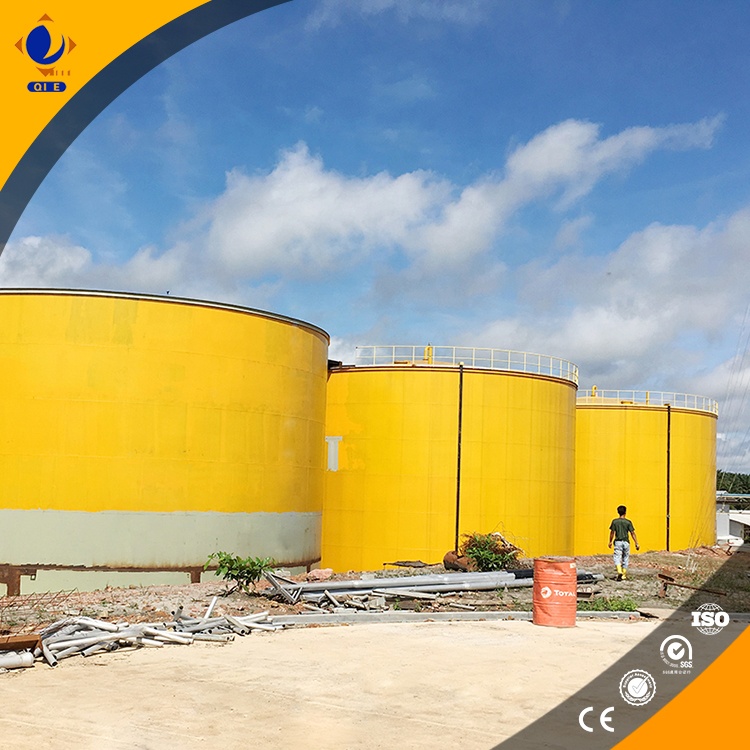
Physical filtration methods include sedimentation, centrifugation, and pressure filtration. Sedimentation is a simple and traditional method, where the oil is allowed to stand for a certain period, and impurities settle at the bottom due to gravity. Centrifugation, on the other hand, uses centrifugal force to separate impurities from the oil. Pressure filtration forces the oil through a filter medium, such as filter paper or filter cloth, to trap impurities. For example, in a small - scale peanut oil production line, a pressure filter with a filtration accuracy of 1 - 5 microns can effectively remove most solid impurities.
Chemical filtration involves adding certain chemicals to the oil to react with impurities and then separating them. For instance, adding phosphoric acid can react with non - hydratable phospholipids in the oil, making them easier to remove. This method can significantly improve the clarity of the oil, but it requires strict control of the chemical dosage to avoid affecting the oil's quality.
The refining process of peanut oil mainly includes degumming, deacidification, decolorization, and deodorization. Each step has its specific functions and process parameters.
Degumming is to remove phospholipids in the oil. By adding water or acid, phospholipids can be hydrated and separated from the oil. The temperature for degumming is usually controlled at around 60 - 70°C, and the water addition amount is about 2 - 3% of the oil weight. This "low - temperature slow" strategy can effectively retain the nutritional components in the oil.
Deacidification is used to remove free fatty acids in the oil. Alkaline substances are often used to react with free fatty acids to form soapstock, which can be separated from the oil. The reaction temperature is generally between 70 - 80°C, and the dosage of the alkaline solution needs to be adjusted according to the acid value of the oil.
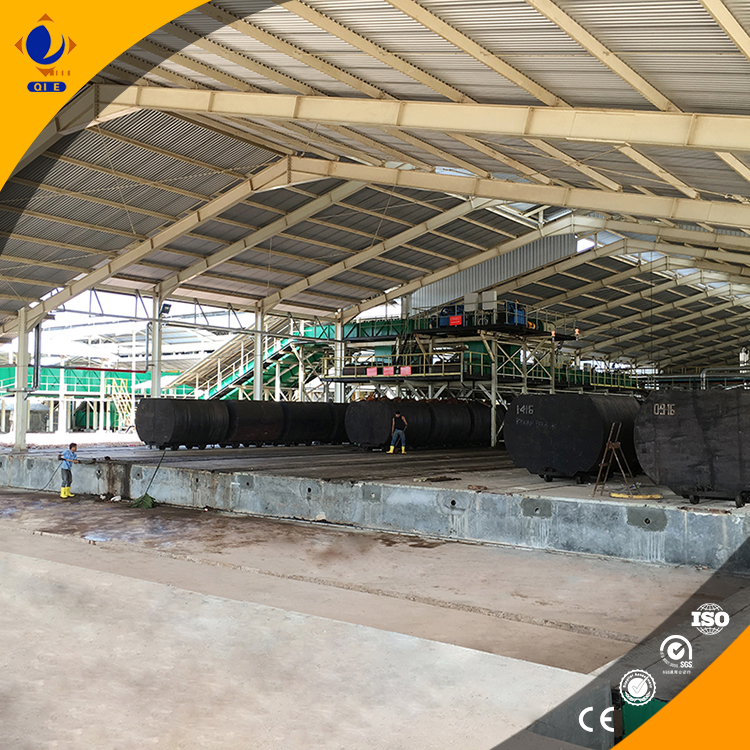
Decolorization mainly uses adsorbents, such as activated clay or activated carbon, to adsorb pigments in the oil. The temperature for decolorization is usually around 90 - 110°C, and the dosage of the adsorbent is about 1 - 3% of the oil weight. This step can make the oil more transparent and improve its appearance.
Deodorization is to remove unpleasant odors in the oil. By using steam distillation under high - vacuum conditions, volatile odor substances can be removed. The temperature for deodorization is relatively high, usually around 200 - 240°C, but the time is short to avoid excessive loss of nutrients.
Different production scales have different requirements for filtration and refining parameters. For small - scale production lines with a daily output of less than 10 tons, a more flexible and simple parameter adjustment method can be adopted. For example, in the filtration process, a lower filtration pressure and a longer filtration time can be used to ensure the filtration effect. In large - scale production lines with a daily output of more than 100 tons, more advanced automation control systems are needed to accurately adjust parameters in real - time. Through practical cases, it has been proven that proper parameter adjustment can increase the product qualification rate by 10 - 20%.
In conclusion, the filtration and refining technologies in the automated peanut oil filling system are of great significance for ensuring the quality and safety of peanut oil. By understanding and mastering these core technologies and adjusting parameters according to different production scales, grain and oil processing enterprises can improve their product quality and market competitiveness. If you want to learn more about the detailed operation manual of peanut oil refining technology or need professional technical consultation, please click here to download the detailed manual or make an appointment for consultation.