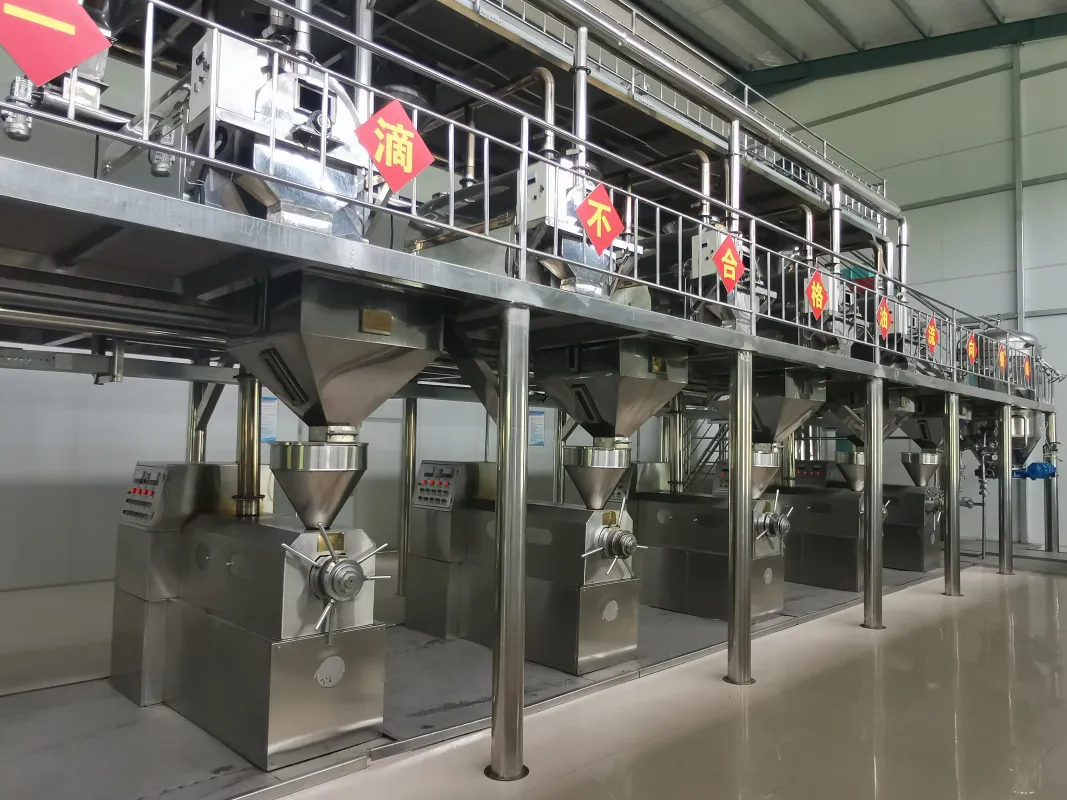
Optimizing Plant Oil Pressing: Energy-Saving Solutions for Efficient Production
This article explores the core differences between hot pressing and cold pressing in plant oil extraction, detailing their principles, suitable raw materials, and impact on oil quality and yield. It guides processors to make informed decisions based on feedstock—such as soybeans or rapeseed—emphasizing a 'material-specific' approach. Integrated with practical energy-saving strategies, the piece covers efficient equipment operation techniques, process optimization pathways, and real-world success and failure cases from field engineers. With insights into market trends favoring cold-pressed oils, this guide equips technical managers and procurement decision-makers with actionable knowledge for sustainable, high-performance oil processing. Learn how to reduce energy consumption while enhancing product value—without compromising quality.
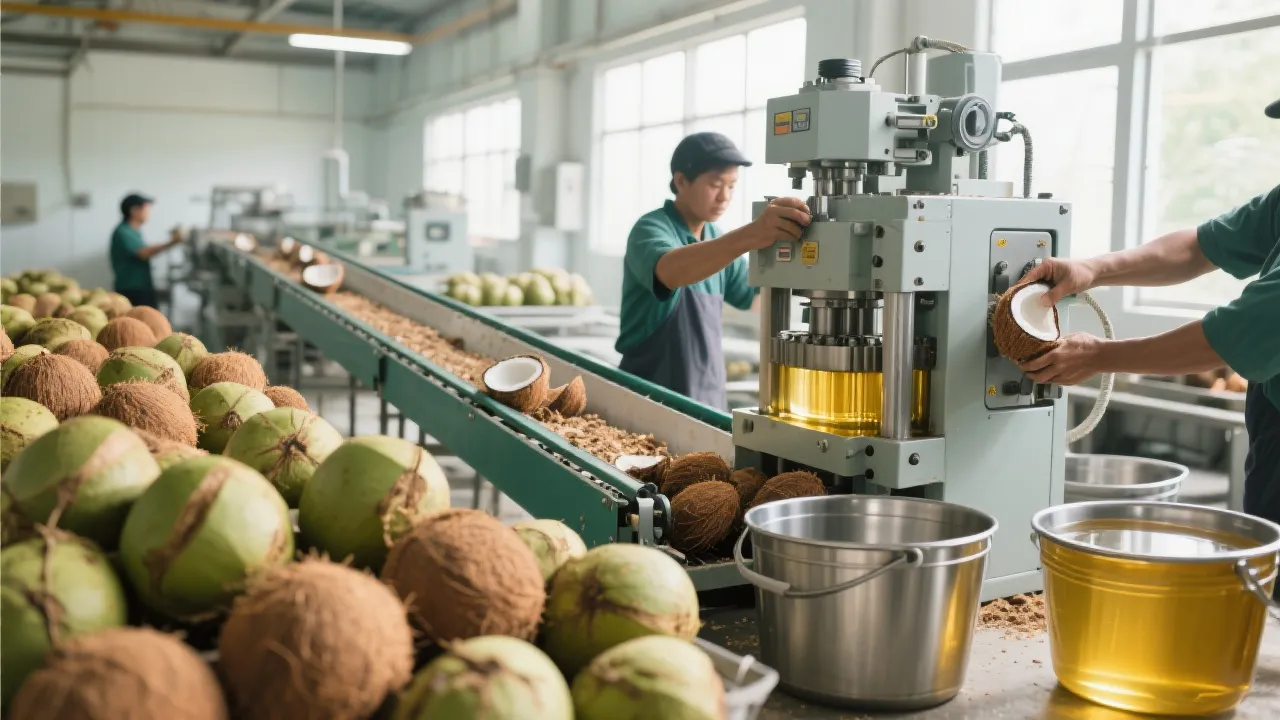
Optimizing Plant Oil Expeller Efficiency: A Practical Guide to Energy-Saving Techniques
For plant oil producers aiming to boost yield while reducing environmental impact, choosing the right expelling method—hot or cold pressing—is just the beginning. The real game-changer lies in how you optimize your process for both performance and sustainability.
Hot vs Cold Pressing: What You Need to Know
Hot pressing typically operates at 80–110°C, extracting up to 95% of oil from raw materials like soybeans and rapeseed. However, this high temperature can degrade heat-sensitive nutrients such as vitamin E and phytosterols. In contrast, cold pressing (below 40°C) preserves these compounds but yields slightly less oil—around 85–90%—making it ideal for premium oils like cold-pressed olive or flaxseed oil.
| Process Type |
Avg. Yield (%) |
Energy Use (kWh/kg oil) |
Best For |
| Hot Pressing |
92–95% |
1.8–2.2 |
High-volume production (soybean, sunflower) |
| Cold Pressing |
85–90% |
2.5–3.0 |
Premium health-focused oils (flax, sesame, walnut) |
💡 Expert Tip: Don’t assume one size fits all. A case study from a Malaysian palm oil mill showed that switching from hot to hybrid pressing (pre-heating + cold final press) improved oil recovery by 7% without compromising quality—a win-win for efficiency and market positioning.
How to Cut Energy Costs Without Sacrificing Output
Even with the best technology, inefficient operation eats into margins. Here are three proven strategies used by top-tier processors:
- Pre-drying optimization: Reducing moisture content from 10% to 6% before pressing can reduce energy consumption by up to 15%, according to data from a Brazilian soybean facility.
- Heat recovery systems: Capturing waste heat from the press and reusing it for preheating reduces boiler load by 20–30%. One Indian oil plant saved over $12,000 annually after installing a heat exchanger loop.
- Smart scheduling: Running equipment during off-peak hours cuts electricity costs by up to 25% in regions with tiered tariffs (e.g., EU, North America).
These aren’t just theoretical ideas—they’re tested practices that work across multiple geographies and scales.
🔍 Ask the Engineer: “Why do some plants fail when trying cold pressing?” Answer: Poor maintenance. Cold presses require precise torque control and frequent cleaning to avoid contamination. Regular calibration saves more than just downtime—it protects brand reputation.
The Future Is Green—and Profitable
As global buyers demand transparency and sustainability, especially in Europe and North America, adopting energy-efficient processes isn't just ethical—it’s strategic. Companies using smart press controls and renewable-powered facilities report a 12–18% increase in B2B inquiries from eco-conscious importers.
If you're ready to move beyond basic oil extraction and build a competitive edge through smarter processing, start by auditing your current setup—not just for output, but for potential savings.
Ready to Upgrade Your Oil Pressing Process?
Get our free guide on selecting the right expeller based on your feedstock, volume, and sustainability goals.
Explore Our Press Selection Guide →