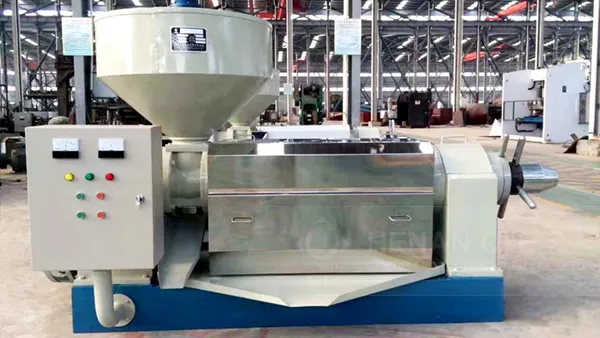
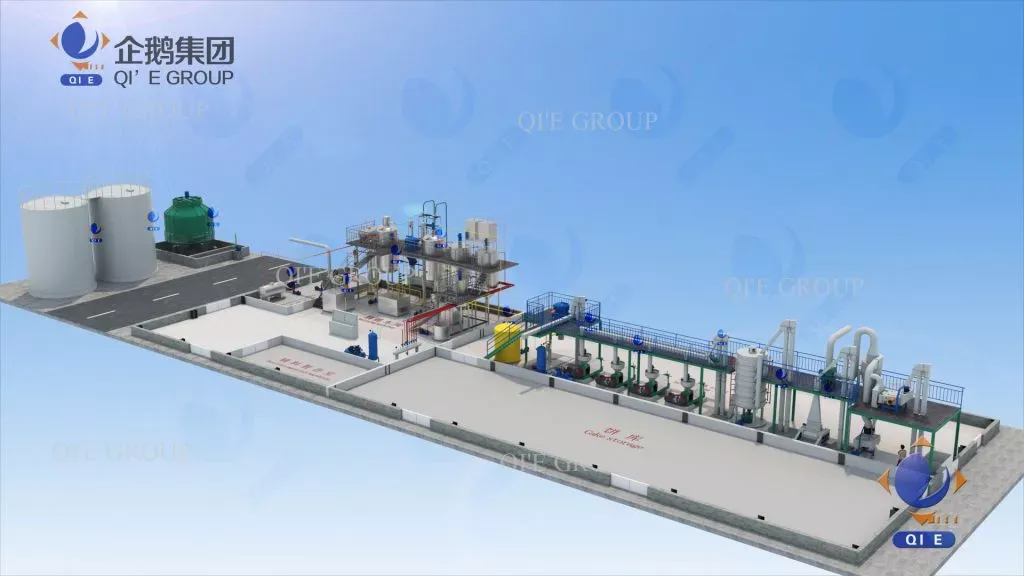
For food processors worldwide, achieving consistent quality and compliance in peanut oil production is no longer optional—it’s essential. The latest generation of automated filling systems isn’t just about speed; it’s a precision-engineered solution that integrates advanced filtration and refining technologies to meet global standards like GB 2716 while boosting yield and reducing waste.
Many small- to mid-scale producers still rely on manual or semi-automated processes that struggle with consistency—leading to off-flavors, inconsistent viscosity, and non-compliance with international food safety regulations. According to industry benchmarks, up to 15% of manually filled batches fail initial quality checks due to contamination or improper processing parameters.
Our system combines two critical steps:
Real-world data from a Malaysian OEM client shows a 22% improvement in product clarity and a 17% reduction in oil loss per batch after implementing our integrated system—without increasing labor or energy costs.
Whether you run a 5-ton/day facility or a 50-ton/day plant, our smart automation adjusts parameters dynamically based on feedstock quality and output targets. For example, smaller operations benefit from pre-set “Quick Mode” profiles that maintain consistency without operator expertise—while large factories use real-time analytics for continuous optimization.
Key Metric: After implementation, certified peanut oil producers report an average increase in first-pass pass rate from 78% to 95%, aligning with both EU HACCP and Chinese GB 2716 standards.
If your current setup struggles with flavor variation, low yield, or inconsistent compliance, this may be the moment to rethink how you refine and fill peanut oil.
Download the Free "Peanut Oil Refining Best Practices Guide" PDF