South American oil mills face unique challenges in their operations. The climate in South America, characterized by high humidity and high salt content, along with the specific characteristics of raw materials and site limitations, requires oil mills to select equipment that can withstand these harsh conditions. This article delves into the core configuration of the palm oil production line suitable for South American oil mills, focusing on the key technical parameters and material selection of pressing, leaching, and refining equipment.
South American oil mills operate in a challenging environment. The high humidity and high salt content in the climate can cause corrosion to equipment, reducing its lifespan. Additionally, the characteristics of local raw materials, such as the high oil content in palm fruits, require specialized equipment to ensure efficient extraction. Site limitations also pose a challenge, as oil mills need to optimize their layout to accommodate the equipment while ensuring smooth production processes.
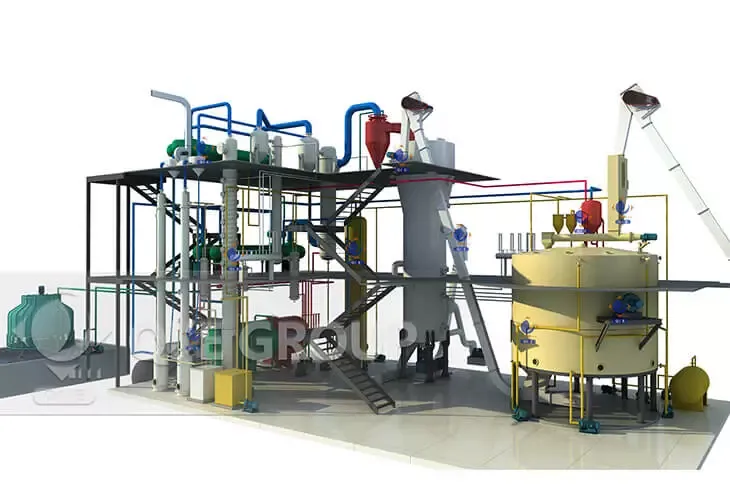
The palm oil production line consists of three main processes: pressing, leaching, and refining. Each process requires specific equipment with unique technical parameters and functions.
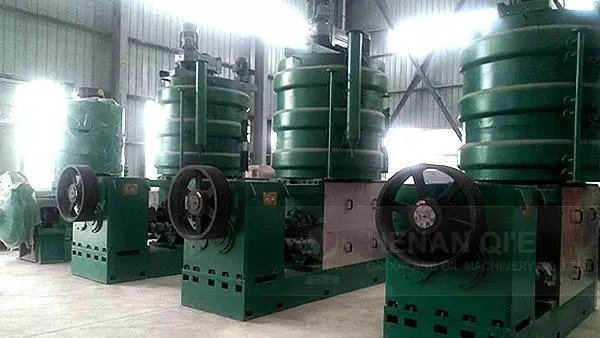
In the pressing process, high-strength and corrosion-resistant pressing equipment is crucial. These machines are designed to extract oil from palm fruits efficiently. For example, some advanced pressing equipment can increase the oil extraction rate by up to 30% compared to traditional methods, while reducing energy consumption by 25%. This not only improves productivity but also reduces operating costs for oil mills.
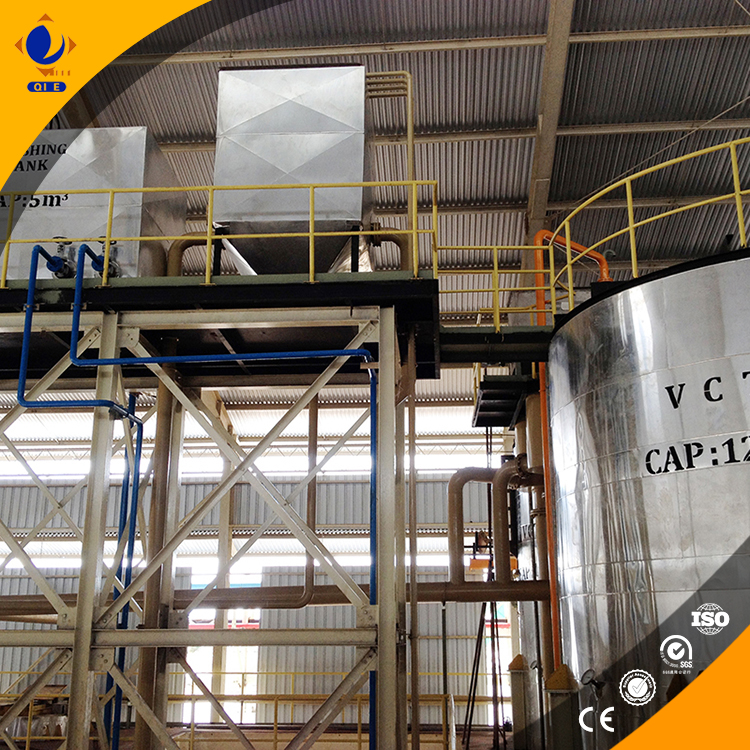
The leaching process involves the use of solvents to extract the remaining oil from the pressed palm cake. Leaching equipment needs to be made of materials that are resistant to chemical corrosion and can operate under high temperatures and pressures. The use of intelligent control systems in leaching equipment can improve the automation level, ensuring accurate control of the leaching process and reducing human error.
Refining is the final step in the palm oil production line, which aims to remove impurities and improve the quality of the oil. Refining equipment needs to meet strict food safety standards. High-strength and corrosion-resistant materials are used to ensure the long - term stability of the equipment. The use of intelligent control systems in refining equipment can also improve the quality of the refined oil, ensuring that it meets international food safety standards.
The choice of high-strength and corrosion-resistant materials is essential for the equipment used in South American oil mills. These materials can withstand the high humidity and high salt content in the South American environment, ensuring the long - term stability and reliability of the equipment. For example, some stainless steel alloys with high corrosion resistance are commonly used in the manufacturing of pressing, leaching, and refining equipment. These materials can extend the service life of the equipment by up to 50% compared to ordinary materials.
Intelligent control systems play a crucial role in modern oil mill equipment. They can improve the automation level of the production process, reduce human intervention, and ensure food safety compliance. For example, in the pressing process, intelligent control systems can adjust the pressure and temperature in real - time according to the characteristics of the raw materials, improving the oil extraction rate and quality. In the leaching and refining processes, intelligent control systems can monitor the chemical reactions and ensure that the production process meets the international food safety standards.
Penguin Group offers one - stop service for South American oil mills, which includes factory design, equipment installation, and commissioning. This service can help oil mills save time and cost. By providing a comprehensive solution, Penguin Group can ensure that the oil mill operates smoothly from the start. For example, through optimized factory design, the production efficiency can be improved by 20%, and the operating cost can be reduced by 15%.
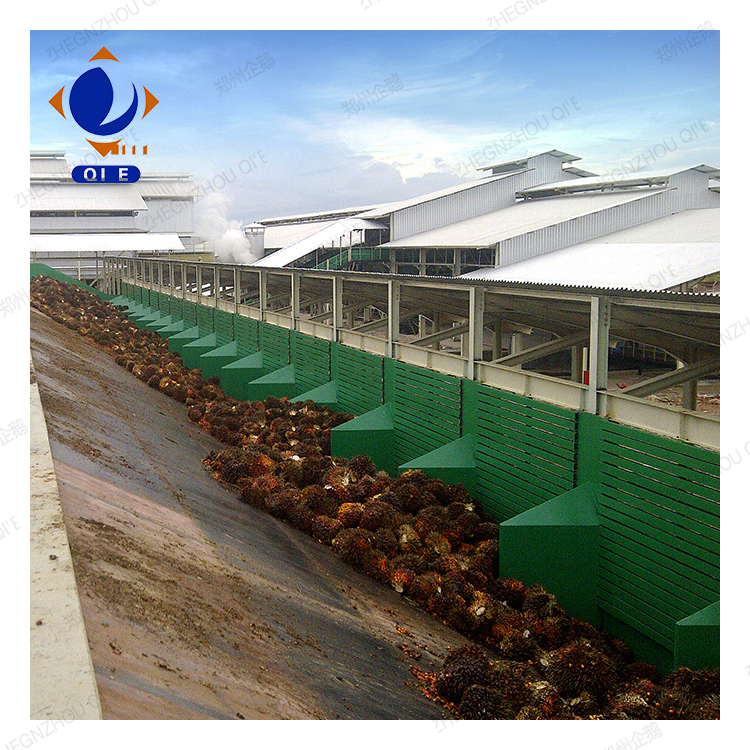
There are many successful projects in South America that demonstrate the effectiveness of Penguin Group's equipment and services. For example, a palm oil mill in Brazil has achieved a significant increase in production capacity after using Penguin Group's equipment. The oil extraction rate has increased by 30%, and the energy consumption has been reduced by 25%. This not only improves the profitability of the oil mill but also promotes sustainable development.
In conclusion, South American oil mills need to choose high - strength and corrosion - resistant equipment that meets international food safety standards. Penguin Group's technology and one - stop service can help oil mills overcome the challenges in the South American market, achieve green production, cost reduction, and sustainable profit growth. If you are looking for a reliable solution for your oil mill, contact us today to get a customized solution.