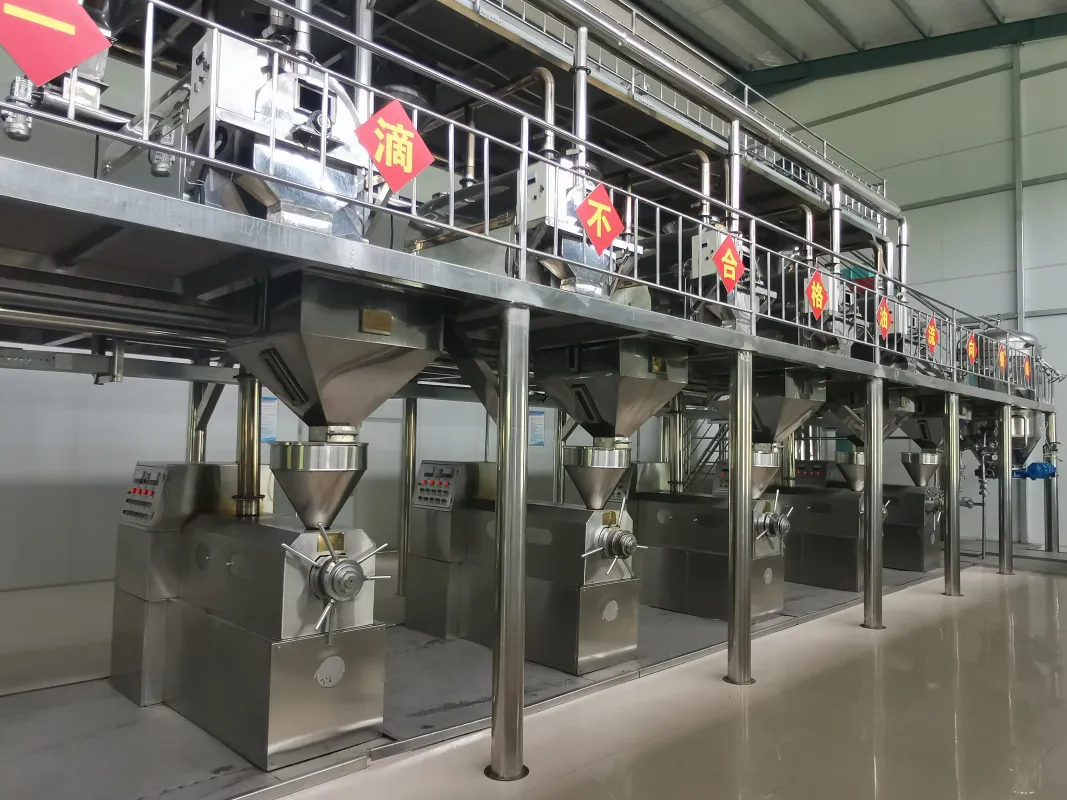
For global vegetable oil producers and exporters, selecting the optimal extraction technology can shape product quality, yield, and acceptance in competitive international markets. Hot pressing and cold pressing stand as the two predominant oil extraction methods for soybeans and rapeseed, each bringing unique industrial advantages and trade implications. This analysis unpacks the core principles, operational workflows, and market fit of these techniques, equipping technical leaders and procurement specialists with actionable insights for methodical decision-making.
Hot Pressing involves preheating oilseeds typically between 80°C to 105°C before mechanical pressing. This thermal treatment improves oil yield by breaking down cell structures and reducing viscosity but may lead to minor quality degradation or diminished nutrients such as polyunsaturated fatty acids.
In contrast, Cold Pressing extracts oil at comparatively low temperatures (below 50°C), conserving the oil’s natural flavor, antioxidant content, and nutritional profile. It typically achieves lower yields—approximately 5-8% less than hot pressing—but commands premium pricing due to superior quality and “natural” positioning.
| Feature | Hot Pressing | Cold Pressing |
|---|---|---|
| Operating Temperature | 80°C - 105°C | < 50°C |
| Oil Yield | ~18-22% | ~15-17% |
| Oil Quality | Lower antioxidants, mild flavor loss | High antioxidants, rich flavor |
| Energy Consumption | Moderate to high | Lower |
Soybean and rapeseed possess distinct compositional traits that influence extraction efficiency and oil stability. Soybeans' protein matrix responds well to heat, often justifying the hot pressing for maximum yield and cost-efficiency. Rapeseed’s delicate flavor profile lends it better to cold pressing, especially where differentiated oil grades target health-conscious or gourmet consumers internationally.
Moreover, export markets dictate preference. For example:

Meeting today’s sustainability benchmarks means incorporating energy-efficient processing. Modern hot pressing machinery now achieves energy savings of up to 20% through process heat recovery and optimized pressing parameters. Cold pressing, naturally less energy-intensive, benefits from improved screw designs that reduce mechanical wear and improve throughput without increasing temperature.
Integration of both technologies in hybrid plants can maximize resource use and comply with eco-label certification requirements, increasingly demanded by European and North American importers.
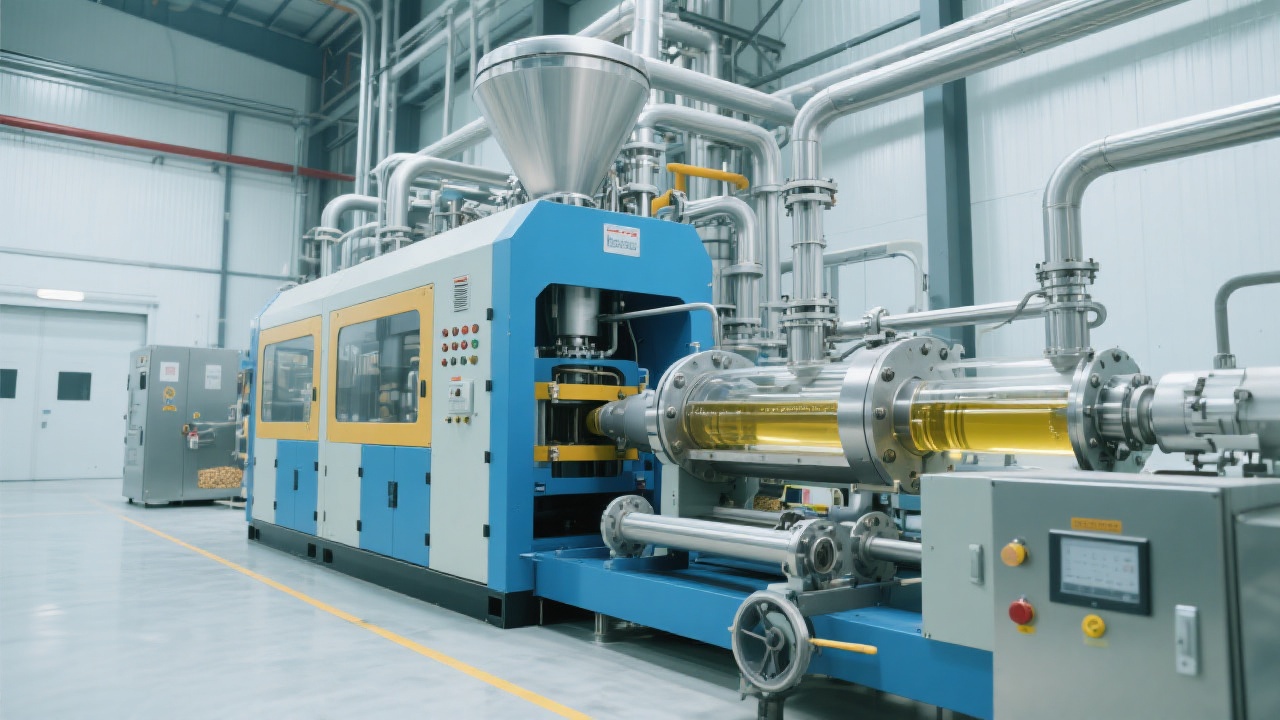
Engineering teams emphasize that hot pressing demands rigorous control of heating and pressing duration; improper settings have led to oil rancidity and reduced shelf life in some enterprises. Conversely, cold pressing requires stringent seed preprocessing to optimize moisture content and particle size, directly affecting oil output stability.
Successful adopters measure performance through a combination of analytical lab testing and real-time process monitoring, which enables adaptive control strategies enhancing final product consistency.
A methodical selection of pressing technology incorporates:
Early adoption of smart pressing equipment, coupled with operator training and robust quality control, has proven to drive superior profitability and international buyer trust.