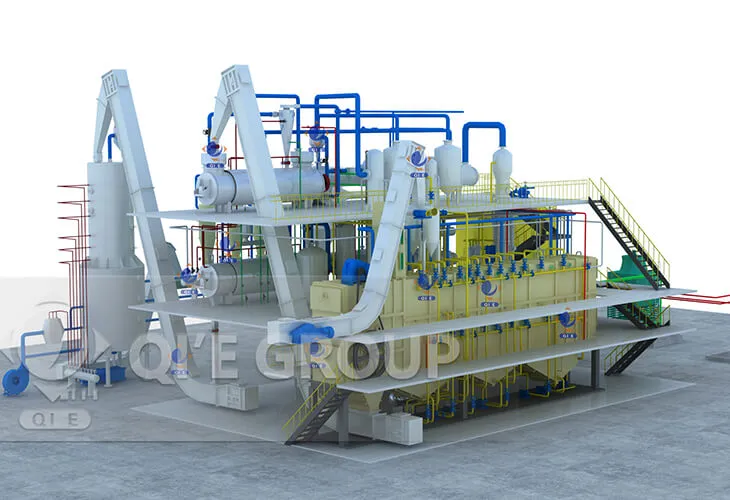
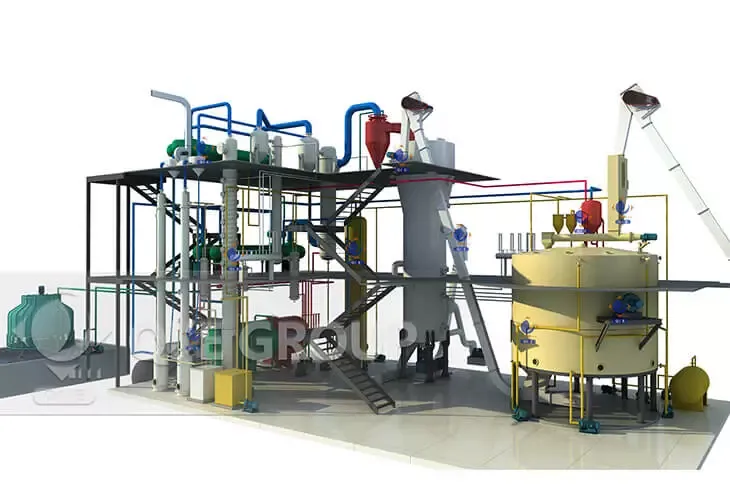
In the realm of vegetable oil processing, the choice between soybean and rapeseed oil pressing processes is a crucial decision for enterprises. This article delves into the hot - pressing and cold - pressing technologies, aiming to help businesses make informed choices based on raw material characteristics and achieve export quality assurance.
The temperature factor plays a significant role in both hot - pressing and cold - pressing processes. In hot - pressing, the raw materials are heated to a relatively high temperature, usually around 100 - 120°C. This increases the fluidity of the oil, making it easier to extract. According to industry data, hot - pressing can achieve an oil extraction rate of up to 90% for soybeans and 85% for rapeseeds. However, high temperatures may cause some loss of nutrients in the oil. On the other hand, cold - pressing is carried out at a lower temperature, generally below 60°C. Although the oil extraction rate is relatively lower, around 70 - 80%, it can better preserve the nutritional components of the oil, such as vitamins and unsaturated fatty acids.

Soybeans and rapeseeds have different physical and chemical properties, which determine their suitable pressing processes. Soybeans have a relatively high oil content, around 18 - 22%. Due to their large particle size and relatively loose structure, they are more suitable for hot - pressing, which can fully extract the oil. Rapeseeds, with an oil content of about 40 - 44%, have a smaller particle size and a denser structure. Cold - pressing can be a good choice for rapeseeds, especially when aiming for high - quality, nutrient - rich oil.
| Raw Material | Oil Content | Suitable Pressing Process |
|---|---|---|
| Soybeans | 18 - 22% | Hot - pressing |
| Rapeseeds | 40 - 44% | Cold - pressing (for high - quality oil) |
In today's context of environmental protection, energy - saving and environmental - friendly operation is an important consideration for enterprises. For example, using advanced pressing equipment with energy - saving features can reduce power consumption by 20 - 30%. Additionally, optimizing the operation process, such as reducing idle time and合理 adjusting the pressing pressure, can also achieve energy - saving effects.

Through real - world case studies, we can see the importance of process optimization. For instance, a vegetable oil factory optimized its soybean hot - pressing process by adjusting the heating temperature and pressing time. As a result, the oil extraction rate increased by 5%, and the quality of the oil also improved. However, there are also some common mistakes in the process, such as over - heating in hot - pressing, which can lead to a decrease in oil quality.
With the increasing trend of healthy eating, cold - pressed oils are becoming more and more popular in the market. Cold - pressed oils are considered to be more natural and nutritious, which meet the needs of consumers for healthy food. Therefore, cold - pressing technology has great market potential in the future.

In conclusion, enterprises in the vegetable oil processing industry should carefully consider the characteristics of raw materials, choose the appropriate pressing process, and pay attention to energy - saving and process optimization to ensure the quality of exported products. If you want to learn more about pressing machine selection suggestions, click here.