In the global vegetable oil processing industry, the choice of pressing technology is crucial for both product quality and production efficiency. This article delves into the two core processes: hot pressing and cold pressing, offering insights for technical decision - makers and industry professionals.
Hot pressing involves heating the raw materials before pressing. This process can break down the cell walls of the raw materials more effectively, increasing oil yield. For example, in large - scale soybean oil production, hot pressing can achieve an oil extraction rate of up to 18 - 22%. However, high - temperature processing may cause some loss of nutrients and change the flavor of the oil.
Cold pressing, on the other hand, is carried out at a relatively low temperature (usually below 60°C). It can preserve more nutrients and natural flavors of the oil. For instance, cold - pressed rapeseed oil retains more vitamin E and unsaturated fatty acids. But the oil yield is relatively lower, typically around 12 - 16% for rapeseed.
When it comes to different raw materials, such as soybeans and rapeseeds, the choice of process depends on multiple factors. For soybeans with high oil content, hot pressing is often preferred in large - scale production to ensure high yield. However, for high - end market demand that emphasizes nutrition and flavor, cold - pressed soybean oil may be more suitable.
Rapeseeds, which have a strong flavor, can be processed using hot pressing to enhance the oil's aroma for certain markets. But for health - conscious consumers, cold - pressed rapeseed oil is a better option. A table below shows a simple comparison:
| Raw Material | Suitable Process | Advantages |
|---|---|---|
| Soybeans | Hot Pressing (Large - scale) Cold Pressing (High - end) | High yield, Nutrient - rich |
| Rapeseeds | Hot Pressing (Flavor - focused) Cold Pressing (Health - focused) | Enhanced aroma, More nutrients |
The pressing process has a significant impact on oil quality, including nutrition, color, and flavor. Hot - pressed oils generally have a darker color and stronger flavor due to the Maillard reaction during heating. Cold - pressed oils, however, are lighter in color and have a more delicate flavor, with higher levels of antioxidants and unsaturated fatty acids.
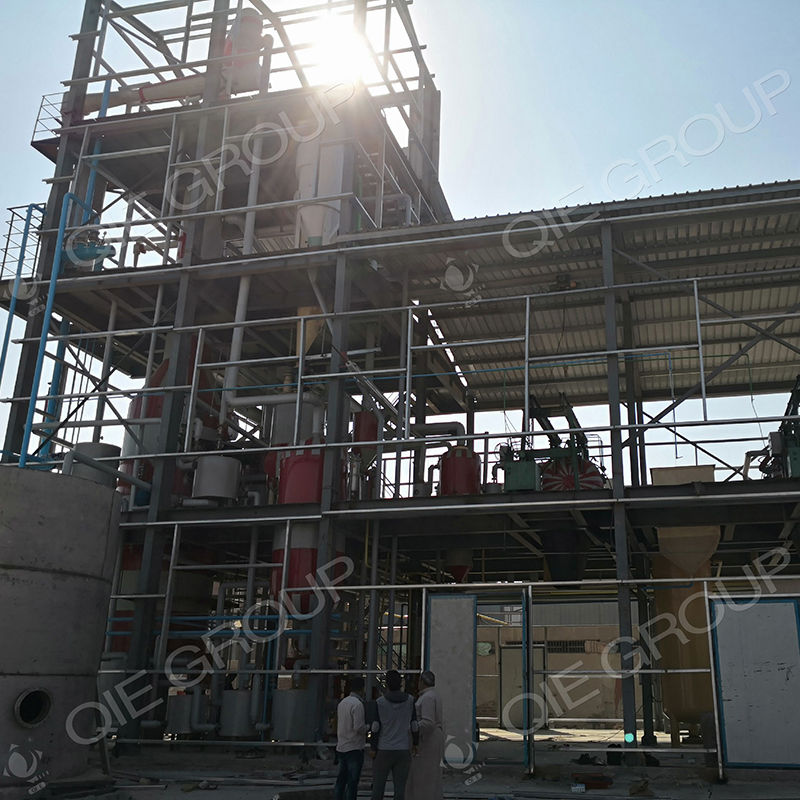
In today's context of sustainable development, energy - saving and environmental protection are important aspects of the vegetable oil pressing industry. Pre - heating control is a key measure. By accurately controlling the pre - heating temperature, energy consumption can be reduced by about 15 - 20%. Waste heat recovery is another effective method. For example, the waste heat from the pressing process can be used for pre - heating the next batch of raw materials, which not only saves energy but also reduces production costs.
In a leading vegetable oil processing plant, by optimizing the hot - pressing process for soybeans and implementing waste heat recovery, the energy consumption per ton of oil production was reduced by 18%, and the oil yield increased by 3%. Common problems in the pressing process, such as low oil yield and poor oil quality, can be solved through process adjustment and equipment upgrade.
For those who want to learn more about advanced vegetable oil pressing technologies and energy - saving practices, click here to access in - depth technical materials and industry insights.