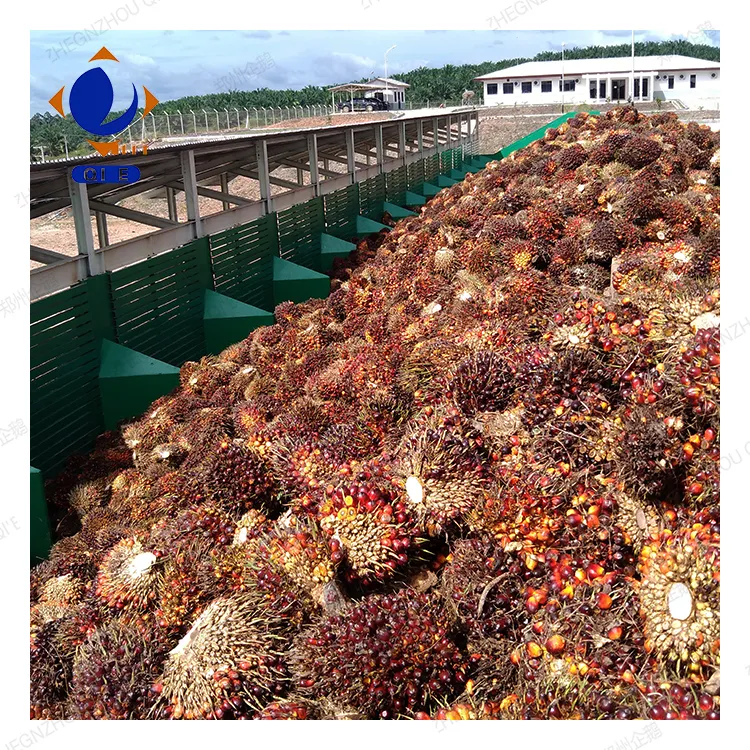
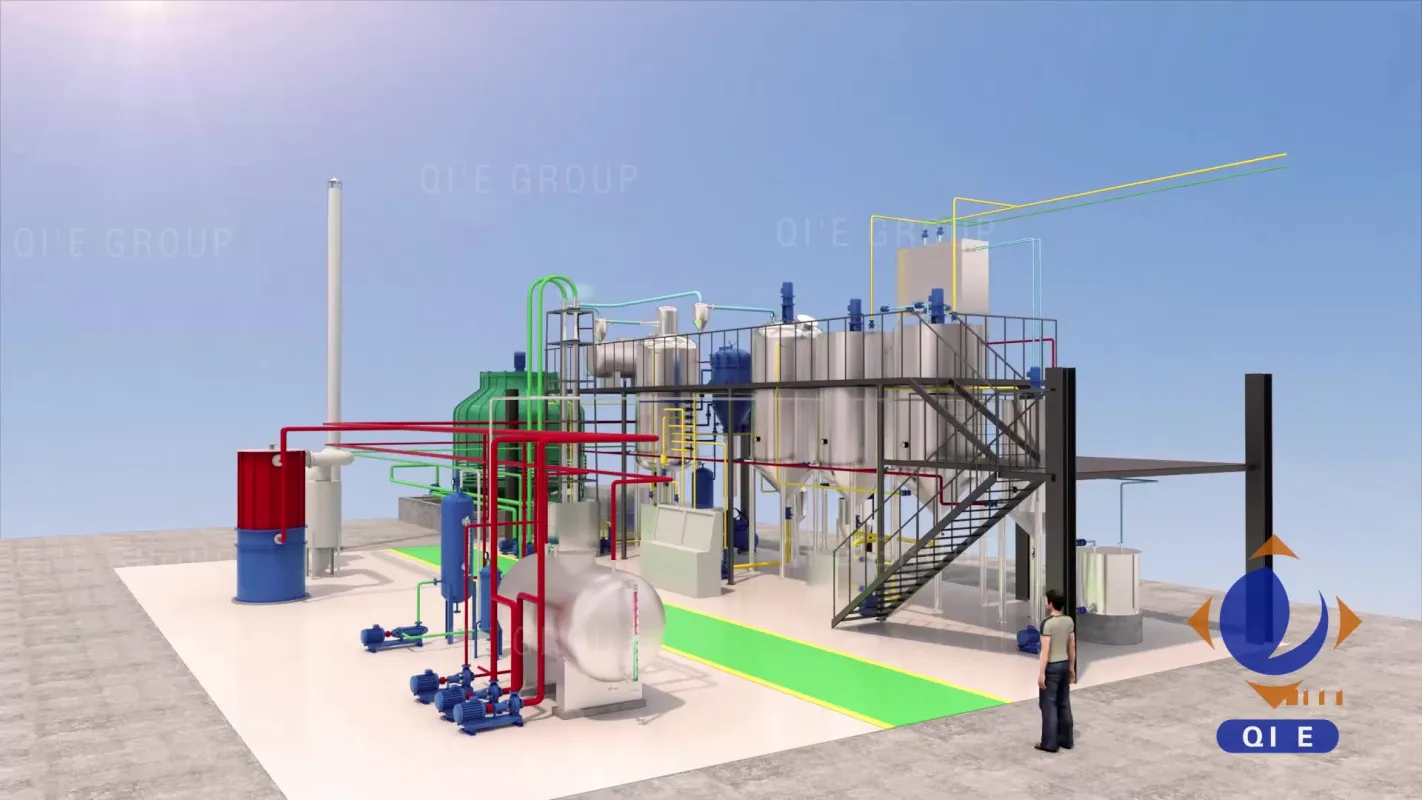
Detailed Guide to Equipment Selection for Palm Fruit Oil and Palm Kernel Oil Production Lines: A Must - Read for Export - Oriented Enterprises Palm fruit oil and palm kernel oil, though derived from the same source, have significantly different production processes. Improper equipment selection can lead to wasted production capacity or sub - standard product quality. This article delves into the core differences between the two from raw material characteristics to the entire process of pressing and leaching. It details how key parameters such as the pressure setting of the screw extruder, solvent recovery efficiency, and degumming steps affect equipment configuration. It helps export - oriented enterprises accurately decide whether to choose a high - yield and stable palm fruit oil production line or a palm kernel oil production line that focuses more on refining quality. It also includes common misjudgment pitfalls and practical avoidance suggestions to assist in making investment decisions with confidence. Learn More 2026/02/27
Palm Fruit Oil Production Line vs. Palm Kernel Oil Production Line: A Comprehensive Guide to Selection Based on Raw Material Characteristics This article delves deep into the key differences between palm fruit oil production lines and palm kernel oil production lines in terms of raw material characteristics, processing flows, and equipment structures. It aims to assist enterprises in making precise selections according to their own raw material features and business needs. The article systematically breaks down the process parameters and equipment configuration requirements of each link from crushing, steaming, pressing to leaching. It also analyzes common misunderstandings and avoidance techniques through real - life cases, providing scientific and practical references for equipment investment decisions to improve production efficiency and finished product quality. Learn More 2026/02/26
Palm Oil Mill vs Palm Kernel Oil Line | Equipment Selection by Raw Material & Process Parameters Palm fruit oil and palm kernel oil come from the same crop, but their feedstock behavior, processing targets, and end-use quality demands are fundamentally different—so you cannot safely “share” one production line for both. If you choose the wrong setup, you risk lower yield, higher energy consumption (often around 22 kWh per ton of oil as a reference), out-of-spec impurities, and even premature wear on presses and solvent-recovery units. This article helps you decide by comparing the full route from crushing to extraction, focusing on the parameters that actually change your results: moisture conditioning, digestion/steam-cooking profiles, screw press pressure settings, clarification/degumming requirements, and solvent recovery efficiency. You’ll also see common misjudgment cases and a clear selection checklist so you can match your business direction—high-throughput, stable palm fruit oil milling, or quality-driven palm kernel oil extraction and refining readiness. Ask yourself: which raw material are you processing most, and what specification do you need to hit? For a tailored configuration, click to explore the fully automated palm kernel oil line technical details. Learn More 2026/02/25
How Closed Food Processing Equipment Enhances Food Safety: Pollution Control Analysis from an ISO9001 Certification Perspective This article delves into the crucial role of closed food processing equipment in enhancing food safety. It focuses on how its fully enclosed structure effectively prevents dust, microbial, and odor pollution, ensuring product purity and stability. Combining with the ISO9001 international certification standard, it analyzes the empirical advantages of the closed system in quality control, consistency assurance, and shelf - life extension. By comparing the potential risks of open - type equipment, it helps small and medium - sized food processing enterprises and entrepreneurs establish a scientific equipment selection logic. The article presents technical details, application cases, and industry trends in a图文并茂 (it should be presented in a way combining text and pictures in English, here we assume it's 'in a way combining text and pictures') manner, aiming to provide a comprehensive and authoritative purchasing reference for the target audience and promote the application and popularization of high - quality closed equipment. Learn More 2026/02/06
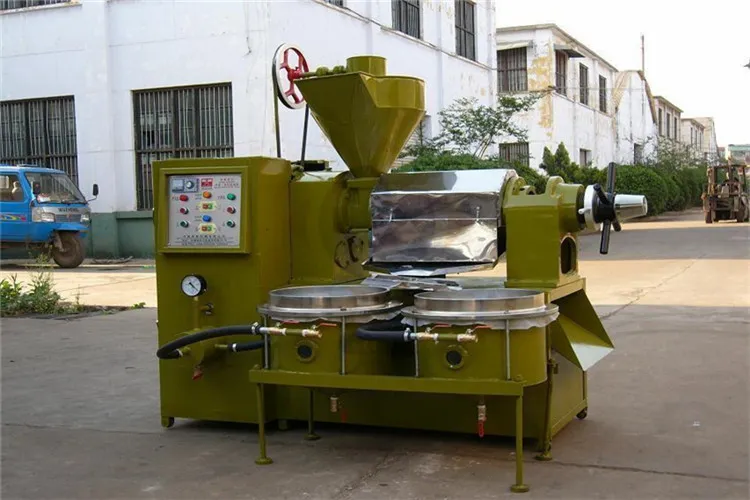
Foreign Trade Customers' Concern: Ensure Product Stability of Homemade Sesame Oil by Avoiding Oxidation and Impurities This article delves into how to use the small household sesame oil making machine developed by QIE Group to achieve efficient and pure - handcrafted sesame oil production at home or in small workshops. It details the key operations in the entire process from raw material cleaning, drying to pressing, filtering, and filling. Combining industry data and technical analysis, it helps users understand the impact of parameters such as temperature and pressure on nutrient retention and oil yield. Meanwhile, it shares practical tips to avoid oil oxidation and reduce impurities. The content is both scientific and practical, aiming to provide reliable professional references for customers, improve the quality and stability of homemade sesame oil, and offer strong support for subsequent purchasing and usage decisions. Learn More 2026/02/05
Optimizing Small - batch Sesame Oil Pressing Parameters for Maximum Nutrient Retention: A Technical Solution for Export Markets This article delves into how to optimize small - batch sesame oil pressing parameters using the small - scale sesame oil manufacturing machine from QIE Group. It covers the technical operation essentials of the entire process, from raw material cleaning, drying to pressing, filtering, and filling. The focus is on the influence of temperature, time, and pressure on maximizing the retention of nutrient components. With real - life cases and industry experience, practical tips for avoiding oil oxidation and reducing impurities are provided. The advantages of the machine's fully enclosed system and energy efficiency are emphasized. This helps home and small - workshop users produce high - quality export - grade sesame oil, enhancing oil purity and nutritional value, and offers a scientific and feasible technical solution and after - sales support reference. Learn More 2026/02/04