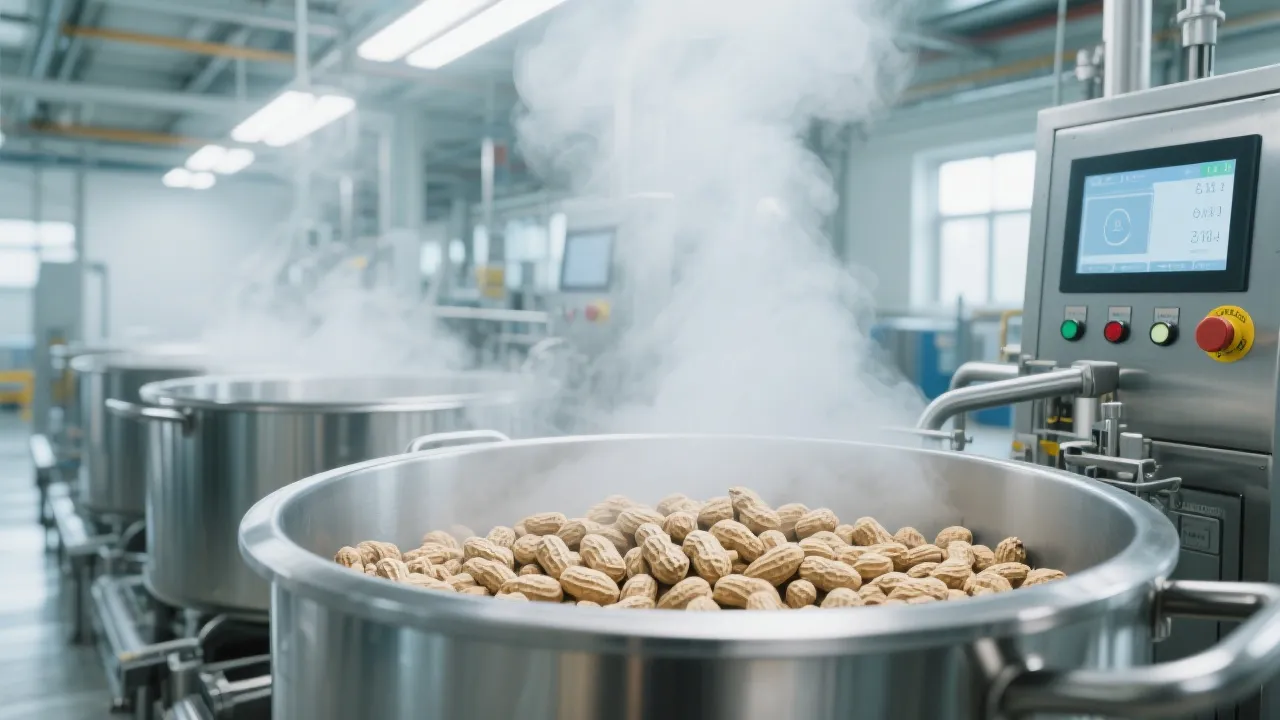
Automated Peanut Oil Filling Systems: Enhance Quality & Efficiency for All Business Sizes | Industry Insights Automated peanut oil filling systems—integrating filtration, refining, and precise filling—are transforming production efficiency and product quality across small-scale workshops and large industrial plants. By leveraging advanced materials and global certifications like ISO 9001:2000, these systems ensure consistent flavor retention, nutritional integrity, and food safety compliance. Real-world case studies demonstrate measurable improvements in throughput, labor reduction, and market differentiation for businesses of all sizes. Supported by data-driven insights and visual process flow diagrams, this article equips procurement and operations leaders with actionable knowledge to drive long-term competitiveness through smart automation. Learn More 2025/12/18
Optimizing Filtration and Refining Parameters for Automated Peanut Oil Production Efficiency | Qe Group This article provides an in-depth analysis of the core technologies in Qe Group's automated peanut oil filling system, focusing on filtration and refining techniques. It elaborates on how flexible adjustment of filtration and refining parameters can effectively remove impurities while preserving the natural nutrients of peanut oil, achieving simultaneous improvements in production efficiency and product quality. Addressing industry challenges and real-world case studies, this content offers scientific technical guidance and practical insights for food processing technology leaders and equipment selection engineers, supporting enhanced competitiveness and compliance in peanut oil production lines. Learn More 2025/12/07
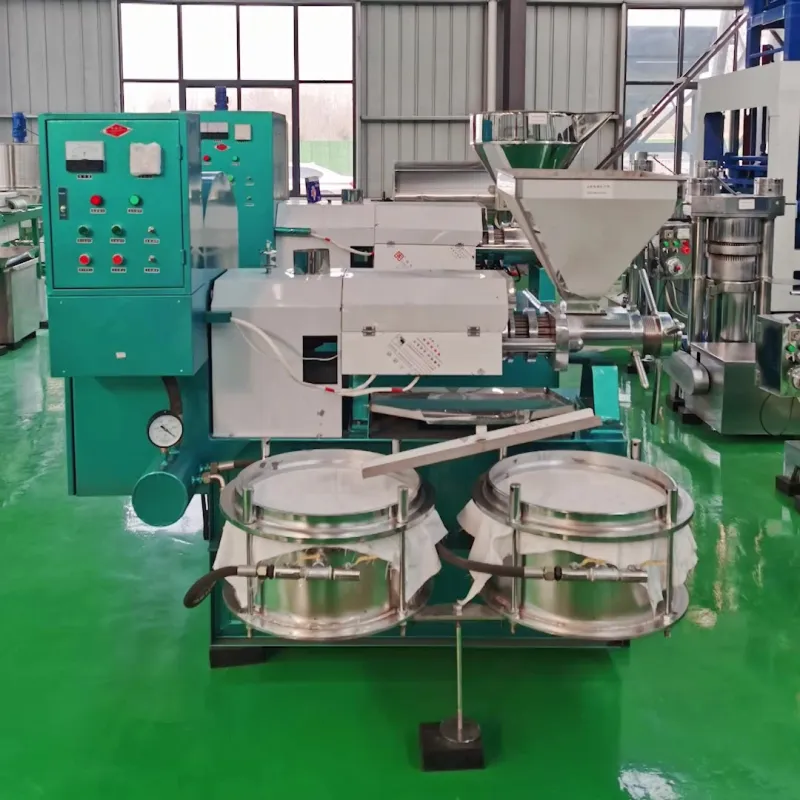
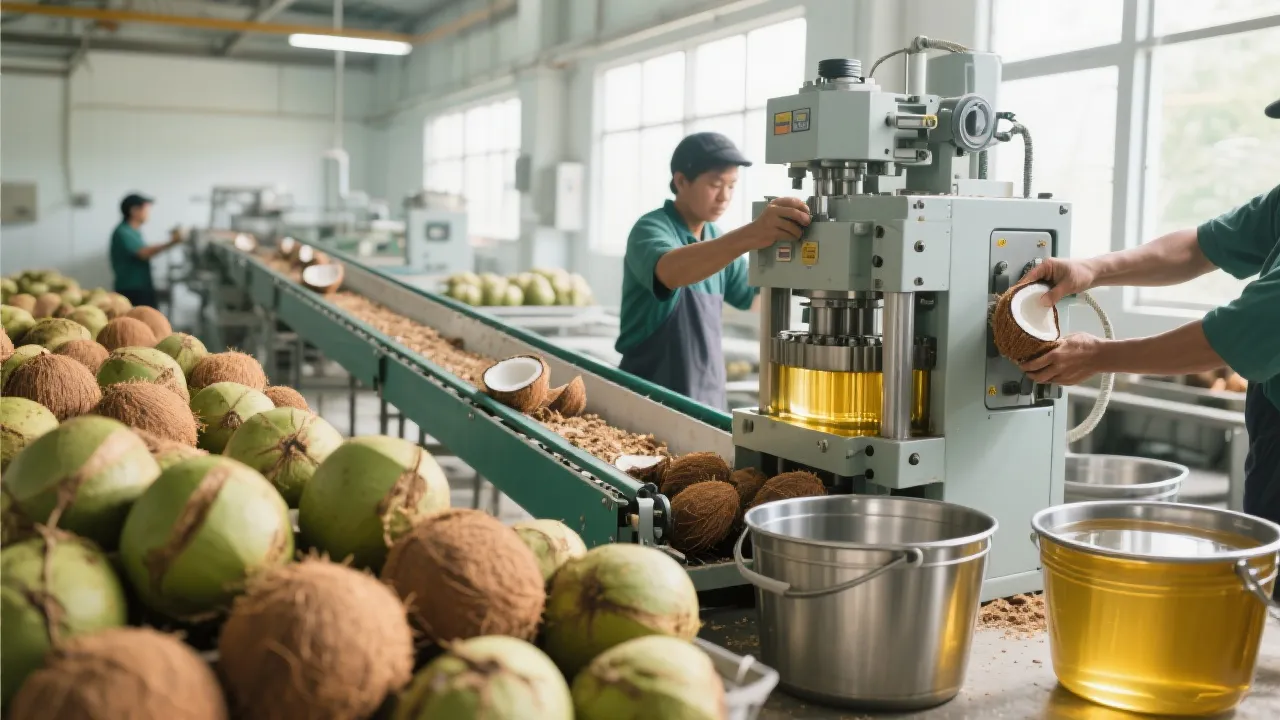
Plant Oil Pressing Energy Efficiency Guide: Hot vs Cold Pressing & Process Optimization Tips This article explores the core differences between hot pressing and cold pressing in plant oil extraction, detailing their principles, suitable raw materials, and impact on oil quality and yield. It guides processors to make informed decisions based on feedstock—such as soybeans or rapeseed—emphasizing a 'material-specific' approach. Integrated with practical energy-saving strategies, the piece covers efficient equipment operation techniques, process optimization pathways, and real-world success and failure cases from field engineers. With insights into market trends favoring cold-pressed oils, this guide equips technical managers and procurement decision-makers with actionable knowledge for sustainable, high-performance oil processing. Learn how to reduce energy consumption while enhancing product value—without compromising quality. Learn More 2025/12/02
Plant Oil Expeller Energy Efficiency: Hot vs Cold Pressing & Waste Heat Recovery Solutions This article explores the core differences between hot pressing and cold pressing in plant oil extraction, detailing their principles, raw material suitability, and common operational challenges—such as temperature-related quality degradation. Real-world factory case studies demonstrate practical energy-saving methods like heat recovery systems and intermittent operation strategies. Industry trends (e.g., rising demand for cold-pressed oils) are also discussed to guide process upgrades. Simple detection tools (e.g., moisture testing), calculation tables, and flowcharts enhance actionable insights for engineers and decision-makers aiming to boost yield, maintain oil quality, and reduce energy consumption—achieving both efficiency and sustainability goals. Learn More 2025/11/27
Hot Pressing vs Cold Pressing: Optimize Plant Oil Extraction for Yield or Quality | Expert Guide Understanding the core differences between hot pressing and cold pressing is essential for optimizing plant oil production. Hot pressing boosts yield and suits bulk crops like soybeans and rapeseed, while cold pressing preserves nutrients and flavor—ideal for premium markets. This guide breaks down key factors such as moisture content, protein levels, and processing goals to help you make data-driven decisions. Plus, discover practical energy-saving tips and real-world engineer insights to avoid common pitfalls like oxidation in cold-pressed oils. Learn how to align your process with market demands and future trends toward healthier oils. Learn More 2025/11/25
Multi-Process Hydraulic Press for Vegetable Oil Production | Efficiency Case Study Discover how a multi-process hydraulic press tailored for both hot and cold pressing—like the one adopted by QIE Group—transforms vegetable oil production efficiency. This article breaks down real-world performance at a rapeseed oil plant, showing measurable improvements in throughput, energy savings, and operational stability. From robust engineering to seamless process adaptability, learn how this equipment reduces downtime, enhances product consistency, and supports sustainable operations in modern oil mills. Learn More 2025/11/14